
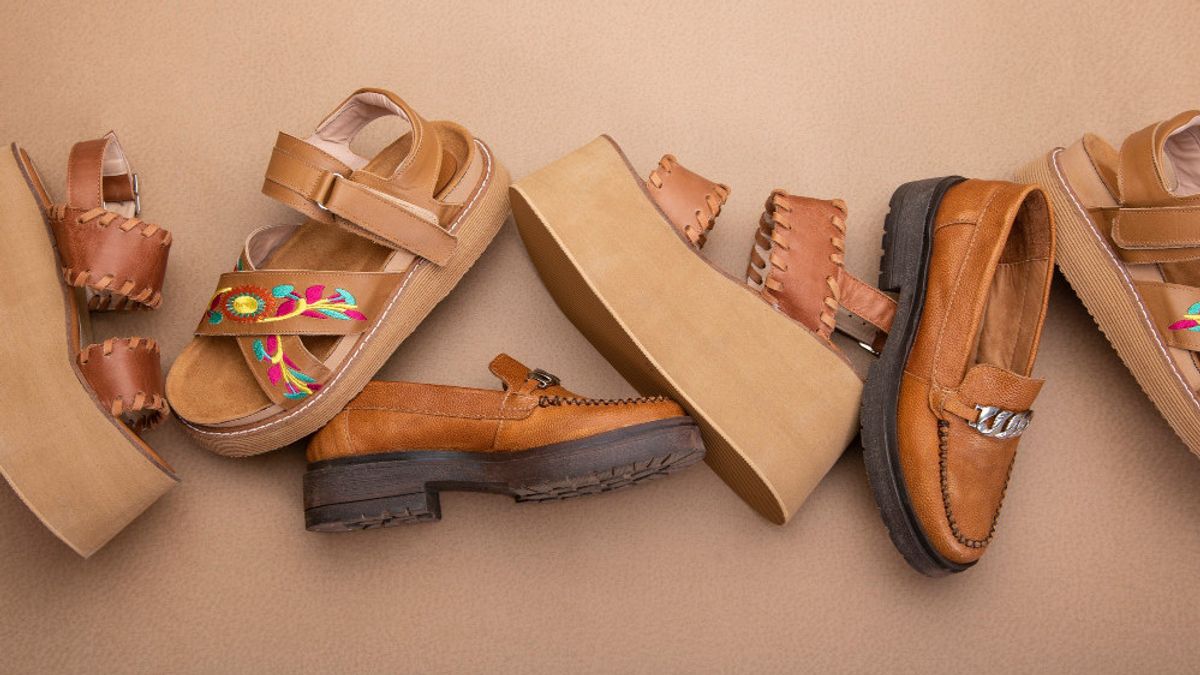


YOGYAKARTA - Handmade footwear often has more value than mass products, both in terms of quality, comfort, and uniqueness. Unfortunately, many people do not know how to care for shoes or sandals made in limited quantities and quality or specific materials properly so that they are quickly damaged or lost shape. In fact, each material starts from skin, suede, canvas, knit, denim, to natural ingredients need to be treated differently. Here are tips for caring for handmade footwear according to the material so that it remains durable, looks new, and is comfortable to wear everyday.
Handmade leather shoes are known to last a long time, but still need extra attention. Important steps to take care of handmade leather shoes include cleaning with a soft brush, using a conditioner, and regular gluing. In addition, use a veiled shoe tree to maintain the shape of the shoe and absorb moisture. Avoid storing it in a moist place because it can cause mold and peeling skin.
Skin shoes will be dull quickly if they are not treated with quality polyshers. Use polysh cream to provide additional protection while maintaining a natural glow. Concessioners are also important to keep the skin flexible so that it is not easily cracked. It is better to do this treatment every few weeks, depending on the intensity of usage.
Suede has a beautiful soft texture, but prone to dirtyness. The guide is to use a special brush to clean the dust without damaging the fine fiber. If it is exposed to fluid stains, immediately absorb it with a dry cloth without sweeping it so that the stains do not spread. Store the suede in a dry place and use an anti-water protection spray so that it is not easily tarnished.
For handmade canvas shoes, the main care is soft cleaning. The canvas-based footwear is clean enough with light soapy water and a smooth brush. After washing, don't dry directly under the heat of the sun because it can fade color. Dry it by winding and filling the contents with paper so that shape is maintained.
Footwear made from knit or woven material has recently become increasingly popular because it looks unique and is environmentally friendly. However, this material is quite fragile if it is mistreated. According to tips for treating handmade textiles reported by Handwoven Magazine, Wednesday, August 27, the best way is to wash light by hand using soft soap, then rinse with cold water.
Avoid cleaning knit footwear or handmade weaving using a washing machine because it can damage knitted fibers. Dry it by playing in the shade, don't dry it directly in the sun so that the color and texture are maintained. To maintain shape, fill the interior with a clean tissue or cloth.
Denim-based shoes have a trendy casual appearance. Denim shoes should be cleaned with soft soap and cold water so that their color does not fade quickly. Avoid using bleach because it can damage the fabric fiber. For small spots, just use a moist cloth without having to wash all the shoes. Dry naturally, not with a dryer.
Rubber shoes or sandals are usually worn during wet weather or for outdoor activities. How to care for it is simple, just wash it with warm water and light soap, then dry it with a clean towel. Avoid drying directly in the hot sun for too long because it can make rubber crack. Store in a cool place so that elasticity is maintained.
Synthetic shoes are easier to care for than native skin. Quoting Good Housekeeping, just clean it with wet cloth and soft soap. If you want to add protection, use a spray specifically for synthetic ingredients to last a long time. Avoid overheat exposure that can melt or crack the material.
Mesh is often worn in sports shoes because it is light and breathable. Mesh shoes should be washed by hand using soft soap water. Avoid rough brushes because they can damage mesh fiber. Dry by playing, and do not use a washing machine or dryer because it can damage the shape of the shoe.
SEE ALSO:
-
 | LIFESTYLE
Tips untuk Wanita Modern, Perhatikan 5 Hal Ini saat Memakai Sepatu Hak Tinggi
24 Januari 2024, 17:43 -
 | LIFESTYLE
Tas Kulit Kesayangan Mulai Berjamur, Begini Cara Mudah Membersihkannya
09 Desember 2021, 13:10

Shoes made from linen or hemp are usually present in environmentally friendly handmade products. These natural fibered shoes should be cleaned by hand using light soap. Full merchandise is not recommended because they can weaken the fiber. After cleaning, dry it by playing in the shade. Fill in the interior with recycled paper to maintain its shape.
There are several additional steps to keep handmade footwear durable. First, avoid wearing the same shoes every day so that the material has time to 'breathing'. Second, use a waterproof spray to protect against rainwater or stains. Third, keep in place with good ventilation, not in closed plastic, so as not to moist and moldy.
Caring for handmade footwear requires extra attention, but the results are commensurate with longer lifespans and a always-primary appearance. By understanding the differences in care for each ingredient, you can keep your shoes durable and comfortable to wear. Don't get the wrong treatment, because one small step can make handmade shoes quickly damaged.
The English, Chinese, Japanese, Arabic, and French versions are automatically generated by the AI. So there may still be inaccuracies in translating, please always see Indonesian as our main language. (system supported by DigitalSiber.id)
Popular


