
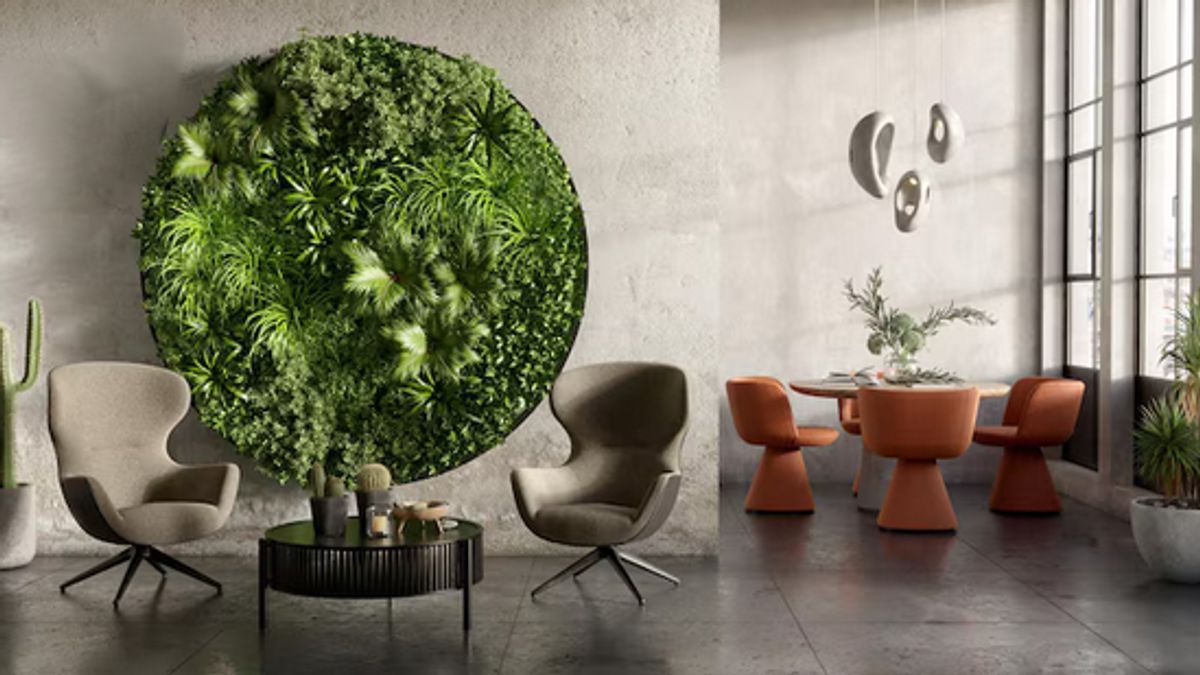


YOGYAKARTA - In recent years, biophilic interior designs have become a popular approach in creating space. Not only aesthetic, but also the design of this space seems to also support the mental and physical health of its inhabitants. Biophilic comes from the word biophilia, which means love for life.
This concept refers to the integration of natural elements into the environment, both directly and indirectly. The biophilic design offers solutions that unite humans with nature through a more humane architecture and interior.
Biophilic interior designs generally combine several important components. First, the presence of natural elements directly, such as indoor plants, running water (small fountains), and natural lighting from large windows. Second, the use of natural materials such as wood, stone, bamboo, linen, and transcendentials which creates sensory connections with nature. Third, natural colors, such as leaf green, soil brown, or sky blue, provide strong visual calm.
In addition, organic forms and patterns resembling nature, such as leaf motifs or water waves, are also used to build intuitive interconnection between space and nature. Natural ventilations and the use of natural scents, such as essential oils or fresh flowers, further strengthen the holistic biophilic experience.
Research shows that biophilic interior designs have a positive impact on well-being. Citing Terrapin Bright Green, Thursday, July 3, in their publication 14 Patterns of Biophilic Design, the presence of natural elements can increase productivity, improve sleep quality, and reduce stress and anxiety levels.
The study published in the Journal of Environmental Psychology also supports that spaces with biophilic elements can improve mood and create a more enjoyable space experience. No wonder many modern offices, hospitals, and even schools are starting to apply this approach to improve the quality of life of their users.
At home, biophilic designs can be implemented in a simple but effective manner. For example, by placing some ornamental plants in the corner of the room, maximizing natural lighting with a thin curtain, and using natural wood furniture. Kitchens and bathrooms can also be designed with natural elements through the selection of natural rock textures or touch of fresh herbal plants.
This trend is also in line with the growing environmentally friendly lifestyle. The choice of sustainable materials and designs that support energy efficiency makes biophilic designs not only beautiful, but also ecologically ethical.
SEE ALSO:



Biophilic interior design is an intelligent and relevant approach in the modern era. By integrating nature into space, we not only create visual beauty, but also build emotional and physical balance. In the midst of a fast-paced urban life, the presence of natural elements becomes an oasis that brings us back to the human roots, which is close to nature.
The English, Chinese, Japanese, Arabic, and French versions are automatically generated by the AI. So there may still be inaccuracies in translating, please always see Indonesian as our main language. (system supported by DigitalSiber.id)
Most Popular Tags
#Prabowo Subianto #donald trump #firearm #8791 #giias 2026Popular


