
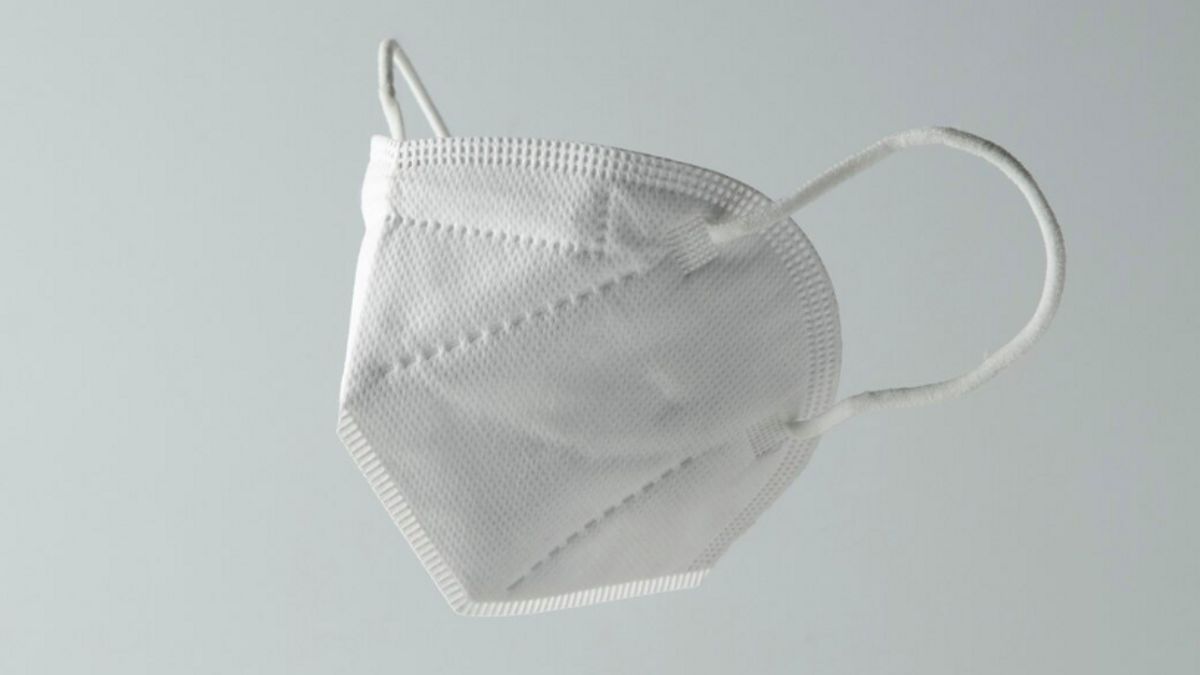


JAKARTA - Medical technology innovation is again stealing attention. A group of scientists succeeded in developing face masks that not only functioned as a protector, but were also able to detect chronic kidney disease only through the breath of its users.
A recent study published on May 7 in the journal ACS Sensors showed that a modified surgical mask with a special respiratory sensor was able to accurately detect kidney disease.
This mask works by analyzing a person's breath to look for the presence of certain gases related to kidney disease.
The application of this technology is expected to increase the treatment of chronic kidney disease patients by allowing early identification of changes in the development of the disease, said Dr. Annalisa Noce, a hypertension and nephrology researcher from the University of Rome Tor Vergata in Italy, in a press release, quoted from the US News page.
SEE ALSO:




It is estimated that there are about 35 million Americans suffering from chronic kidney disease, and more may not have realized it. Kidneys function to remove waste from the body, but kidney disease reduces the organ's ability to filter the waste.
As a result, people with chronic kidney disease tend to exhale with higher ammonia levels.
In this study, the team of scientists developed a breathing sensor that could detect ammonia and other gases related to kidney disease. This sensor uses silver electrodes coated with a selected specific polymer selectively.
This technology mask is tested in 100 people, about half of which have been diagnosed with chronic kidney disease. As a result, this mask is able to identify kidney disease with an accuracy rate of 84 percent and is able to eliminate the possibility of kidney disease in healthy people with an accuracy of 88 percent.
This finding also shows that data from these sensors can be used to estimate a person's kidney disease stage, which is very useful in further diagnosis and treatment processes.
The English, Chinese, Japanese, Arabic, and French versions are automatically generated by the AI. So there may still be inaccuracies in translating, please always see Indonesian as our main language. (system supported by DigitalSiber.id)


