


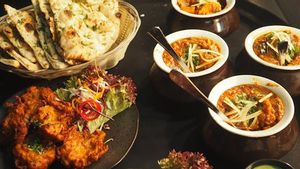
YOGYAKARTA In the month of Ramadan, Muslims fast from dawn to sunset. When breaking the fast, they are generally prepared to vary nutritious foods. When suhoor is the same, foods that make you full and have sufficient water content need to be consumed. So, let it be practical in cooking, check the following are tips for meal preparations during Ramadan.
Planning is the best way to save time, money, and reduce food waste. If planning for a month's menu during Ramadan is too troublesome, you can make plans for an open menu for just a few days or a week.
Before shopping for groceries, try to think about at least three ways to process it. For example, fish ingredients, can be fried, steamed, and roasted. That way, you can keep creating menus from just one ingredient. It should be understood, planning doesn't mean you have to go from scratch, but you can choose wisely what to cook by considering how much time you have on a certain day.
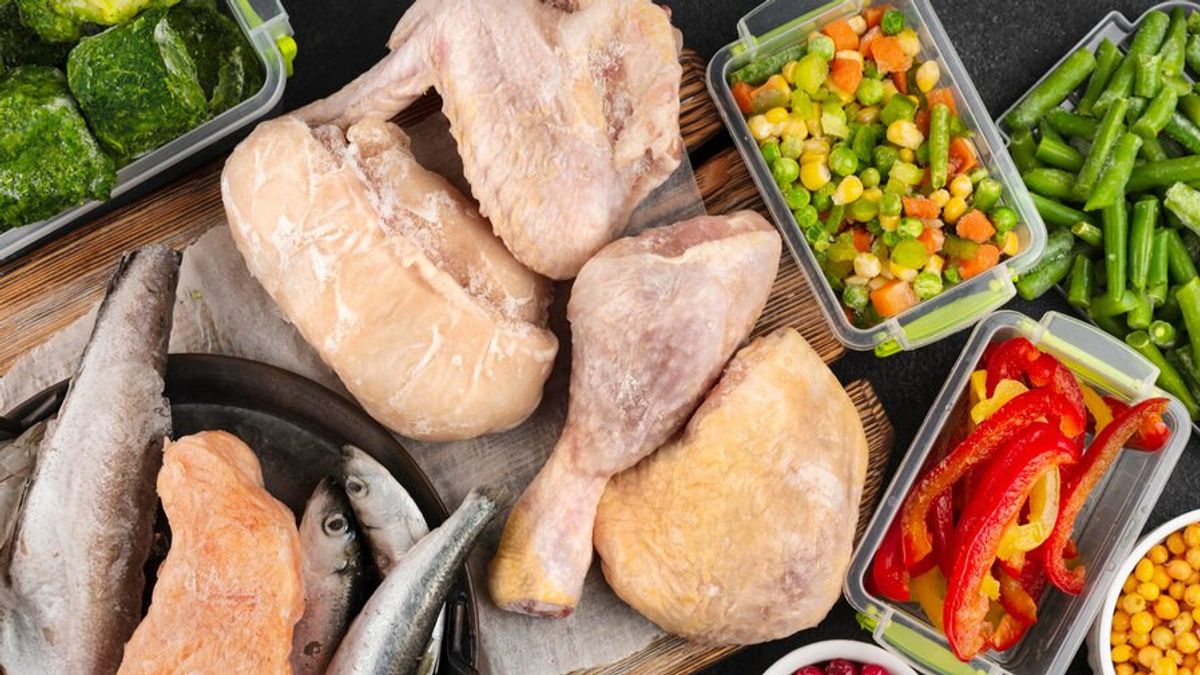
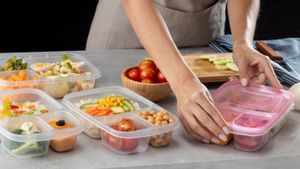
The only places that are most likely to store processed meal boxes are in refrigerators and freezers. To arrange an effective storage area, of course, it needs to be wise and consideration. For two types that can be stored for open and sahur food stocks. First, store vegetables or food ingredients ready for cooking. This means that they have been cleaned, cut, or peeled. The first option is called meal setup. For the second, it is food preparation, which food ready to eat without having to cook only needs to be warmed before eating. Food setup needs to consider food that is durable stored and is not easily damaged in nutritional content.
Preparing food ingredients or processed meal can be done until the material is ready to be processed. Like by washing thoroughly, peeling, and cutting. Some vegetables may need to be boiled or steamed first before being frozen so that you just need to process them to open and wash them. As for fruits, you can sort out which ones need to be peeled first or stored without peeling. For example, watermelons and melons can be stored in an airtight container after peeling. But apples, it would be better to store intact, uncut and peel.
How to manage animal protein food ingredients, of course, is different from vegetables. For foodstuffs that contain animal protein, such as chicken, fish, beef, can be washed and then diminated before being put in an volatile container and then stored in a refrigerator. At any time it is necessary to menu suhoor or break the fast during Ramadan, you don't have to bother cooking it from scratch. You just have to process it, such as frying, roasting, steaming or other ways according to your menu plan.
SEE ALSO:



Some of the raw spices, can be processed ready to use. You can also peel them and store them in an volatile container and then put them in a refrigerator, for onions, garlic, onions, orange leaves, lemongrass. In addition, you can also store a number of conveniences. Such as various chili sauces, salts, vegetables, tomato sauce, sweet soy sauce, to salt soy sauce.
Creating a label is important, because it is a reminder. In addition to writing a label about the contents of each meal premium box, give a date to start saving. This can remind you when to process it immediately and be used as a iftar menu or Ramadan fasting sahur.
Have you prepared the sahur menu and opened the first week of Ramadan fasting? You can start thinking about it immediately and make a meal setup with the tips above.
The English, Chinese, Japanese, Arabic, and French versions are automatically generated by the AI. So there may still be inaccuracies in translating, please always see Indonesian as our main language. (system supported by DigitalSiber.id)


