
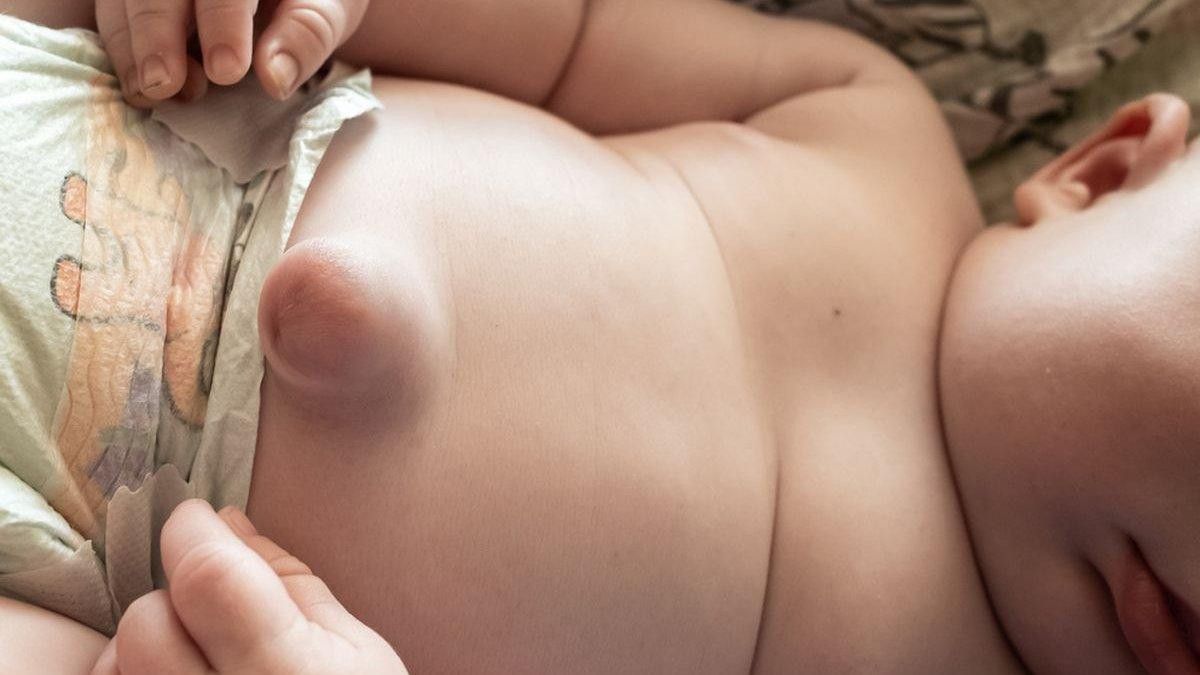


YOGYAKARTA - Hernia will be suffered by someone when the organs in his body press the surrounding connective tissue which is weak. The connective tissue should be strong to hold the body organs to stay in the position they should be. However, some conditions actually cause the connective tissue to weaken, so that it does not have the ability to hold the organs and trigger the appearance of hernia symptoms. Health disorders are generally more often experienced by children. The symptoms that appear depend on the type and location of the hernia. So, what are the types of hernia in children? Well, below will explain the symptoms of hernia based on its type.
Types of Hernia in Children Inguinal HerniaAs reported by Healthy Line, inguinal hernia is the most common type. Of the total children who suffer from hernia, at least 80 percent of children suffer from this type. Inguinal hernia occurs because the intestine or bladder presses on the lower abdominal wall or enters the inguinal canal at the groin. In fact, the intestine that comes out is at risk of going down to the testicles, causing pain.
Umbilical HerniaAn umbilical hernia is a condition that occurs when the small intestine is pushed out, specifically behind the navel. This condition is also often referred to as a hernia. Most children who have umbilical hernias can heal naturally, and do not cause any significant health problems. However, if the child is five years old and the condition has not improved, surgery must be carried out.
Epigastric HerniaAn epigastric hernia is caused by fat being pushed out between the sternum and the navel, so that the area looks protruding. If it appears in a small size, pain can occur, but it can heal on its own. However, if the symptoms of pain are very severe, surgery should be performed.
Incisional HerniaAn incisional hernia is a protrusion that occurs when the intestine comes out of the abdominal wall through a surgical incision that has not recovered. Surgical incisions often occur along the vertical, both above and below. An incisional hernia can occur in obese children, have problems with the lung organs, or have post-operative infections.
The protrusion that is a symptom of hernia can get bigger when the child gasps, coughs, or sneezes. If this condition is left for a long time, complications can occur. Therefore, if you find this hernia symptom, you should immediately discuss it with a doctor to immediately implement the next steps that must be taken.
Hiatus HerniaIf other types involve the intestines, the hiatus hernia will involve the stomach organs. This condition occurs because the child's diaphragm swells and pushes into the chest. The diaphragm itself is a muscle that separates the stomach and chest. The symptoms of this type of hernia are mostly not known for sure. The only symptom experienced is heartburn.
That's an overview of the types of hernia in children. Hopefully useful. Visit VOI.id for other interesting information.
The English, Chinese, Japanese, Arabic, and French versions are automatically generated by the AI. So there may still be inaccuracies in translating, please always see Indonesian as our main language. (system supported by DigitalSiber.id)
Most Popular Tags
#Prabowo Subianto #donald trump #2026 World Cup #Febrie Adriansyah #8791Popular


