
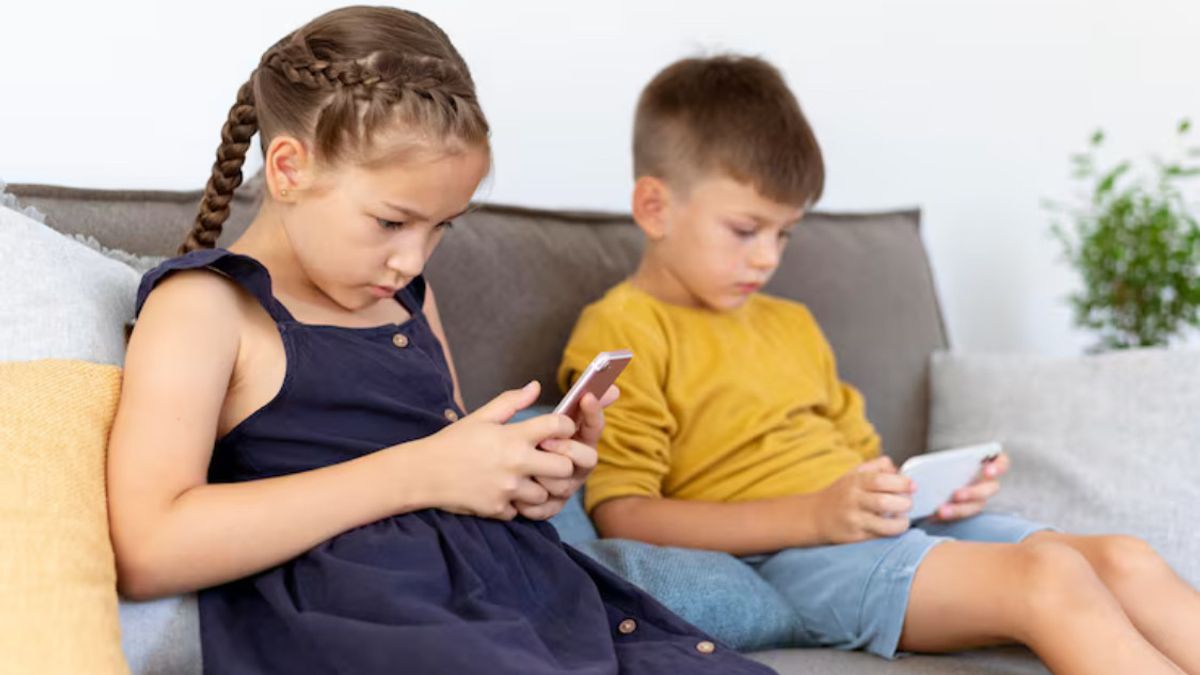


JAKARTA - Australia has officially taken drastic steps by prohibiting children and adolescents under the age of 16 from accessing social media. The policy, which began to take effect on December 10, was called by the government as an effort to protect the mental health of the younger generation from bullying, harmful content, to the effects of algorithmic addiction. However, these good intentions actually trigger concerns from mental health experts.
This ban makes more than one million teenagers lose access to platforms such as TikTok, Instagram, and YouTube, just before the longest school holiday in a year. In Australia, the December to January holidays often mean that school activities and supporting services will stop until February.
For Ayris Tolson (15), a student from Sydney, the beginning of the holiday may still feel good because he can be with his family. But he was worried that the feeling of loneliness would come later.
During the school holidays, it feels like it's isolated for about six weeks. The longer it takes, the more I feel like I want to open social media. This is not the right time," he said, quoted from the Reuters page.
Similar concerns come from mental health professionals. They assessed that the implementation of the ban just before the long holiday could have a shocking effect, especially for teenagers who have been relying on social media to communicate and feel connected.
"The condition is different if this happens while the school is still going on," said Nicola Palfrey, Head of Clinical Leadership in headspace, a government-funded youth mental health service.
"If you have too much free time and are more often alone with your own thoughts, especially when you feel anxious or sad, it's not an ideal situation," he continued.
According to experts, the heaviest impact is likely to be experienced by teenagers in remote areas or from minority groups, such as migrants and the LGBTQI+ community, who have been looking for support and a sense of security in online spaces.
The Australian government remains confident this policy will have a positive impact. Social media platforms that violate the rules face fines of up to USD 49.5 million or IDR 548 billion. Digital Security Commissioner Julie Inman Grant said the ban was aimed at creating healthier growth space for children. But he also admits that not all teenagers are comfortable in the real world.
"Some young people from marginalized groups actually feel more like themselves in the online world," he said.
He suggested that they take advantage of digital spaces that are exempt from bans, including mental health support service platforms.
On the pitch, various teenage services are starting to prepare for a spike in cases. Kids Helpline, telephone and online counseling services, adds to the number of counselors ahead of the holidays.
"School pressure does drop during holidays, but when children are cut off from communication with their friends, it can actually increase anxiety," said Tony FitzGerald, head of the virtual service Kids Helpline.
Youth organizations also feel the same anxiety.
Lauren Frost of the Youth Affairs Council Victoria said they would feel scared and anxious.
BACA JUGA:
-
 | LIFESTYLE
Budaya Kerja Sehat yang Bikin Karyawan Betah dan Semakin Produktif
28 Agustus 2025, 19:35


"Interaction with teachers, social workers, or youth companions will be much reduced during the holidays, even though the role is very important during the transition period," he said.
Not all teenagers are completely affected. Annie Wang (14) admits that she can still communicate via Discord, a message platform that is excluded from the ban. But she worries about her friends who don't have a similar alternative.
"They seem really cut off from everyone. Most likely just lock themselves up at home throughout the holidays, and that's definitely not good," he said.
The government plans to evaluate this policy over the next two years, including the positive impacts and unexpected impacts that arise. Meanwhile, mental health experts hope that the country will not only focus on restrictions, but also ensure that teens remain in a safe space to connect, be heard, and get help when needed.
The English, Chinese, Japanese, Arabic, and French versions are automatically generated by the AI. So there may still be inaccuracies in translating, please always see Indonesian as our main language. (system supported by DigitalSiber.id)
Popular


