
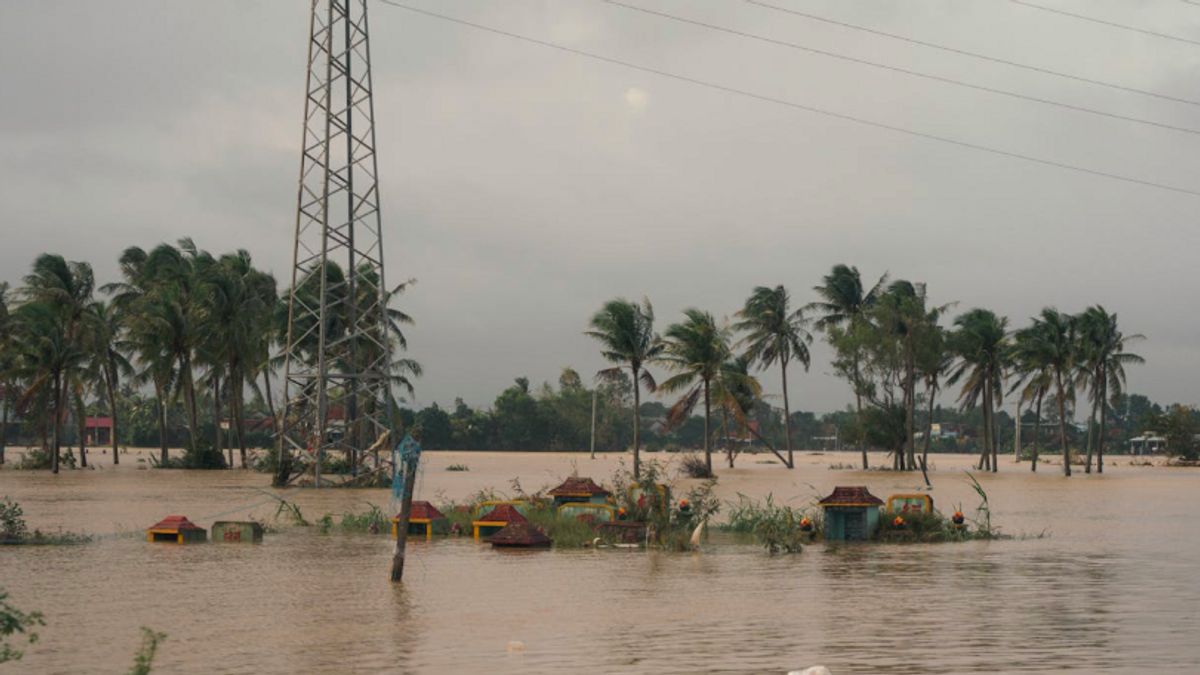


JAKARTA - The flash floods that hit several areas in Sumatra recently sparked deep sorrow for the people of Indonesia. Heavy rains accompanied by landslides made it difficult to avoid the flash floods, which resulted in thousands of houses being submerged, to hundreds of fatalities.
In addition, flooding also opens up great opportunities for health threats to affected communities. Many diseases lurk and can endanger flood victims, especially if they have a weak immune system such as children and the elderly.
Here are some diseases that are at risk of increasing when floods hit that must be watched out for, quoted from the National Institutes of Health, on Tuesday, December 2, 2025.
1. Thioid fever
Thyroidal fever is caused by Salmonella typhi bacteria, the World Health Organization (WHO) explained. These bacteria spread through contaminated food and water, such as in flood water.
A person with typhoid fever can carry bacteria in the bloodstream and intestines. Bacteria can even reproduce and spread in the body, causing infection.
2. Diarrhea
Diarrhea is one of the common diseases encountered after the flood. Usually, diarrhea is caused to consume drinking water polluted by certain germs or substances during or after the flood.
3. Skin disease
When floods hit, many people had to go through puddles. Flood water can contain a variety of germs, which can disturb health, especially in the skin which can cause itching to infection.
SEE ALSO:
-
 | LIFESTYLE
Jadi Magnet Wisata Alam, Dua Rafflesia Arnoldii Mekar Bersamaan di Rejang Lebong
23 November 2025, 23:50 -
 | BERITA
Tiga Terduga Pelaku Pembakaran Rumah dalam Bentrokan Pemuda Tallo Ditangkap Polisi
23 November 2025, 23:40 -
 | TEKNOLOGI
Vitalik Buterin Desak Ethereum Segera Siap Hadapi Ancaman Komputer Kuantum
24 November 2025, 02:05
4. Leptospirosis
Leptospirosis is a disease caused by leptospira bacteria. This disease is transmitted from animals, one of which is rats, through their urine.
If the rat's urine is mixed with puddles of water, the bacteria can enter the body through wounds on the skin that cause leptospirosis. Therefore, as much as possible wear boots to protect your feet from flooding and clean your body after flooding.
5. Cholera
Another disease that lurks during floods isEARness, acute infection that attacks the digestive tract caused by the Vibrio Cholerae bacteria. This disease is usually transmitted through contaminated water or food, especially in areas with poor sanitation or after natural disasters such as floods.
The English, Chinese, Japanese, Arabic, and French versions are automatically generated by the AI. So there may still be inaccuracies in translating, please always see Indonesian as our main language. (system supported by DigitalSiber.id)


