



JAKARTA - Fund cuts from the United States National Development Agency (USAID) caused disruptions in handling various humanitarian projects, especially in the health sector. The World Health Organization (WHO) said cutting these funds may have an impact on a spike in cases of tuberculosis and death.
The spike in tuberculosis cases can occur because many countries are dependent on USAID funds to prevent, treat and test the disease. If funds are not provided as usual, it will be increasingly difficult to fight tuberculosis and various researches will experience setbacks.
"Without immediate action, the progress made to fight TB (tubercolonosis) will be risky," said WHO Global Program Director of TB and Lung Health, Tereza Kasaeva, reported by NBC News on March 9, 2025.
Globally, tuberculosis is the largest cause of death from other infectious diseases. About 1.25 million people died from infection with this bacteria in 2023.
USAID previously provided about a quarter of international donor funds for tuberculosis services in other countries, up to USD 250 million or around IDR 4 trillion per year. USAID operates a tuberculosis program in 24 countries.
With the cuts in USAID funds by the United States government, the WHO said that the supply chain of tuberculosis drugs in several countries was hampered. Laboratory services, surveillance systems, identification, monitoring, and treatment of tuberculosis have also been disrupted. Several trials of research on this disease have also been suspended.
Thus, the spike in tuberculosis cases is likely to occur in the future, especially in high-risk countries in the African region. In Uganda, cutting USAID funds makes it difficult to pay health workers, which can be fatal for tuberculosis patients.
SEE ALSO:
-
 | BERITA
Cek Kesehatan Gratis Mulai Diterapkan 10 Februari, Pelaksanaan Direncanakan Bertahap
09 Februari 2025, 15:54 -
 | BERITA
Soal Efisiensi Anggaran Pemerintah, Menkes Jamin Layanan Kesehatan Tak Terdampak
05 Februari 2025, 18:02 -
 | BERITA
Menkes Budi Sebut Skrining Kesehatan Gratis Direncanakan Mulai Februari
09 Januari 2025, 14:05 -
 | BERITA
Dukung Kemkomdigi Batasi Usia Pengguna Medsos, Menkes Singgung Masalah Kesehatan Mental
03 Februari 2025, 01:18
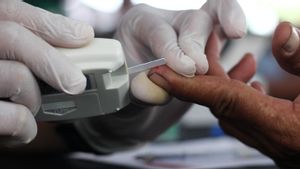
"Patients may have received a diagnosis of TB after they left the clinic because they were waiting for the results, and they might be at home with TB and didn't know they had TB. There really wasn't any resources to go out and reach those people," said clinical epidemiologist Dr. Luke Davis.
"People are dying because they have an undiagnosed disease, have not been treated, have not been prevented," he added.
Meanwhile, people with active TB usually have severe coughs and chest aches. They may cough blood and be moisturized, and have difficulty breathing.
If not treated, bacterial infection can damage the lungs and spread to other parts of their bodies such as the brain, kidneys, and spine. Others who come into close contact with TB patients are also at high risk of infection, which makes this disease have to be treated optimally.
TB treatment also requires a lot of time and cost. Tuberculosis patients usually have to take antibiotics for six months. This should not stop in the middle because it can cause a person to become resistant to antibiotics, as well as spread the resistant strain TB to other people.
The English, Chinese, Japanese, Arabic, and French versions are automatically generated by the AI. So there may still be inaccuracies in translating, please always see Indonesian as our main language. (system supported by DigitalSiber.id)


