


JAKARTA During the fasting month, the sale of takjil or iftar food is increasing. The Food and Drug Supervisory Agency (BPOM) continues to supervise food products sold, especially by street vendors and Micro, Small and Medium Enterprises (MSMEs).
One of the findings that still occur is the use of hazardous additional food ingredients, such as textile dyes, illegal preservatives, and chemicals that are prohibited in food.
BPOM revealed several characteristics of takjil that may contain dangerous ingredients. One of them is food or drinks with too flashy colors.
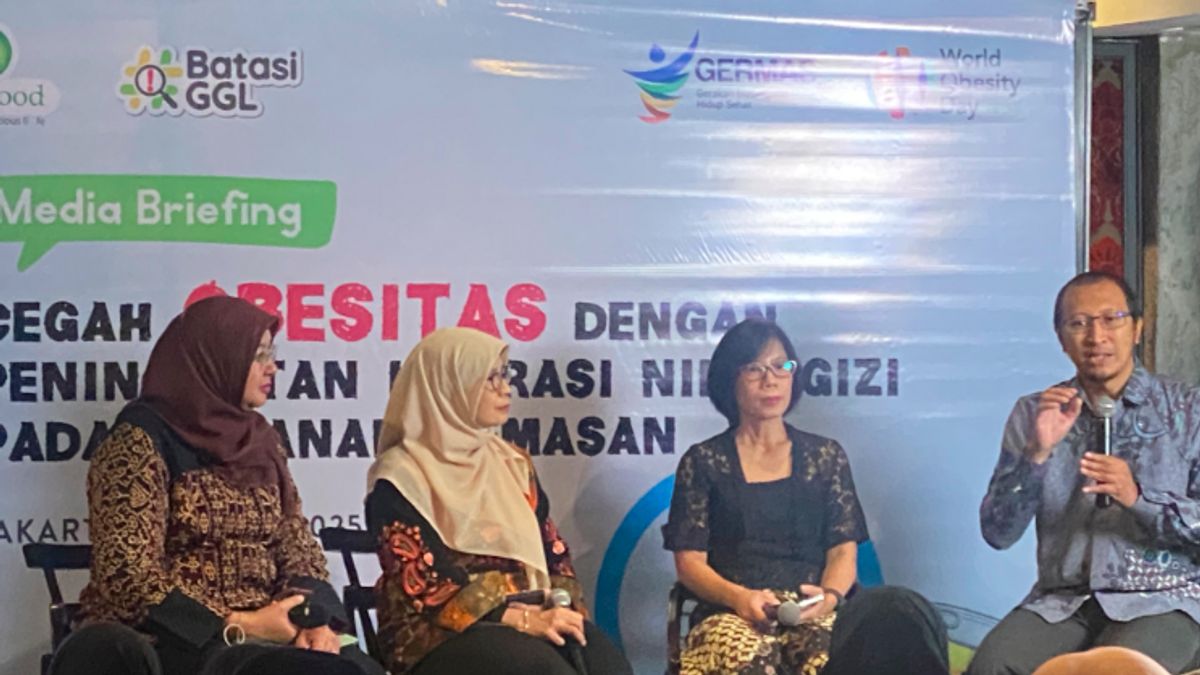
This was revealed by Dra. Dwiana Andayani, Apt. Director of Food Standardization of BPOM RI through the event 'Pahami Supplement to Food Safe in Packaged Food to Prevent Obesity' organized by Nutri Food together with the Ministry of Health of the Republic of Indonesia and BPOM.
"If someone sells an ice drink mixed with a Chinese boyfriend with a burning pink color, it is prohibited. It could contain textile dyes that are not safe for consumption," said Dwiana, when met in the Melawai area, Kebayoran Baru, South Jakarta on Tuesday, March 4, 2025.
SEE ALSO:
-
 | INFO SEHAT
Pertolongan Pertama untuk Masalah Cedera Kaki, Jangan Asal Diurut!
17 Februari 2025, 18:02 -
 | INFO SEHAT
10 Tips Ilmiah Menyimpan Bahan Makanan agar Tetap Segar Lebih Lama
17 Februari 2025, 16:46 -
 | INFO SEHAT
Diduga Penyebab Kematian Kim Sae Ron, Kenali Gejala Henti Jantung
17 Februari 2025, 15:25 -
 | INFO SEHAT
Dokter Tirta Beri Penjelasan soal Air Mineral Ada Manisnya, Bisa Bikin Diabetes?
17 Februari 2025, 13:25
In addition, some foods such as crackers, noodles, and bright snacks are suspected to still use hazardous synthetic dyes such as methyl yellow and rhodamin B.
This color should only be used in the textile industry, not for food. Long-term consumption can have a negative impact on health, including the risk of cancer and internal organ disorders.
The use of bolax and formalin in food is also still found in several types of takjil, such as meatballs, wet noodles, and tofu. Borax is usually used as a mouthpiece, while formaldehyde is often used to preserve food so it doesn't get stale quickly. In fact, these two substances are harmful to health and can damage the digestive system and kidneys if consumed in the long term.
"Usually given preservatives, food is food so that it lasts longer, then there are sweeteners, I don't know what to use, the identification is to use color. We tell MSMEs to use natural food ingredients," he said.
"If the color is striking, such as crackers or noodles using methyl yellow, rhodamin b, bolaks, formalin, this is still used by traders," he added.
BPOM emphasized that education for traders and MSME players continues to be carried out every year. However, there are still some traders who do not understand or ignore the rules for the use of food additional ingredients that are safe.
"Usually food is given preservatives to make them durable, or artificial sweeteners without knowing whether the ingredients used are safe or not," said BPOM.
BPOM encourages traders to switch to using natural ingredients as food dyes, such as dragon fruit extracts for red, turmeric for yellow, and pandan for green. In addition to being safer, natural ingredients also provide health benefits for consumers.
The public is also asked to be more thorough in buying takjil or other food products. If you buy additional packaged products or spices such as vanila for cakes, make sure the product has a BPOM registration number. Products that have been registered with BPOM have gone through safety tests and are fit for consumption.
BPOM also reminded that food sold in authorized supermarkets or shops has usually gone through a strict inspection process. However, for foods sold on the side of the road or traditional markets, the public needs to be more vigilant and ensure that the food purchased does not contain hazardous materials.
The English, Chinese, Japanese, Arabic, and French versions are automatically generated by the AI. So there may still be inaccuracies in translating, please always see Indonesian as our main language. (system supported by DigitalSiber.id)
Most Popular Tags
#Prabowo Subianto #donald trump #firearm #8791 #giias 2026Popular


