


JAKARTA - The problem of hypertension is still a serious concern in Indonesia, along with the high number of patients who have not been diagnosed and the low effectiveness of treatment.
The Indonesian Hypertension Doctors Association (INASH) highlights that the main challenges in controlling hypertension come not only from patients, but also from the lack of optimization of treatment by health workers.
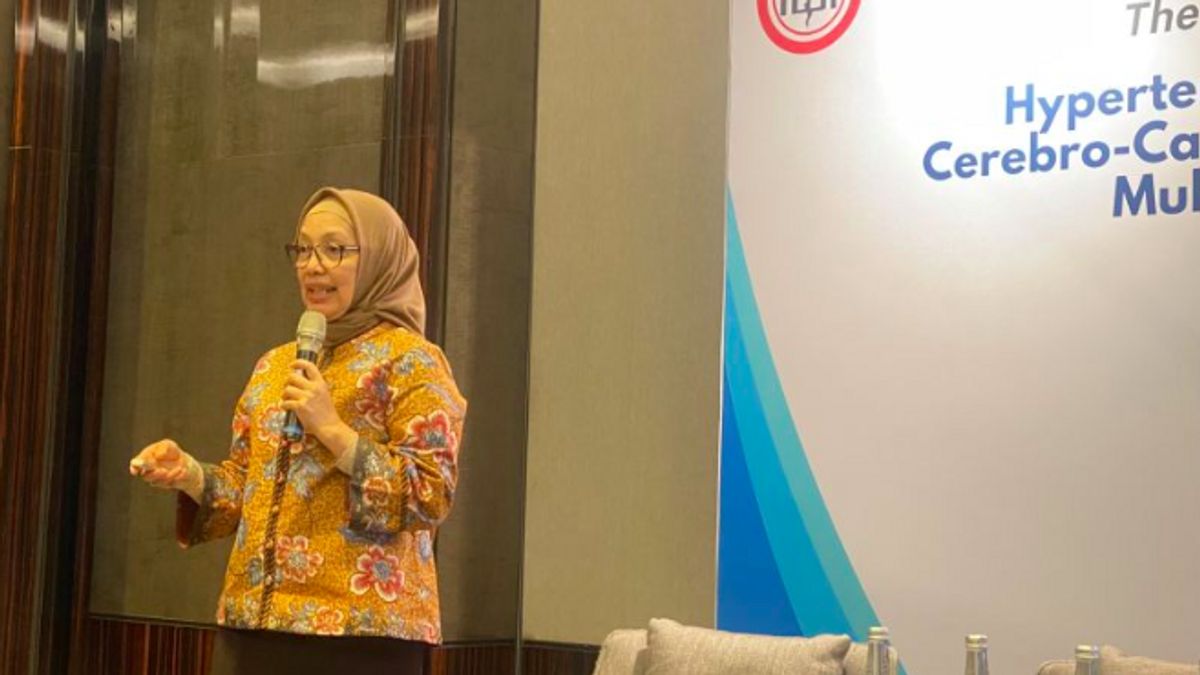
"The problem of controlling hypertension in Indonesia is similar to other Asian Pacific countries, such as the high number of undetected cases, low level of medical compliance, and the presence of clinical inertia, namely the lack of therapy intensification according to guidelines by medical personnel," explained INNASH Chair, dr. Eka Harmeiwaty, Sp.N, as quoted by ANTARA.
According to Eka, the public's low knowledge of the risk of hypertension complications is one of the main obstacles. In addition, the habit of consuming high-salt foods, the lack of access to health facilities, socio-economic factors, and the lack of promotion of a healthy lifestyle exacerbated the situation.
Based on data from Riskesdas 2018, only one in three hypertension patients managed to achieve treatment targets. Similar findings were obtained in the May Measurement Month (MMM) survey by INASH which recorded only 38.2 percent of patients who managed to achieve the blood pressure target.
To achieve the hypertension control target of 50 percent, more than 24.3 million people with hypertension in Indonesia need effective and sustainable treatment.
Data from the World Health Organization (WHO) in 2023 revealed that around 1.28 billion people aged 30-79 years in the world live with hypertension, with nearly two-thirds in developing countries, including Indonesia. Of these, less than 42 percent received diagnosis and treatment, and only 21 percent managed to achieve the target of normal blood pressure.
Although the prevalence of hypertension in Indonesia decreased from 30.8 percent in 2018 to 24.1 percent based on the 2023 Indonesian Health Survey (SKI), the risk of serious complications such as stroke,tender heart disease, kidney failure, blindness, and dementia still lurks people whose blood pressure is not controlled.
SEE ALSO:
-
 | INFO SEHAT
Pertolongan Pertama untuk Masalah Cedera Kaki, Jangan Asal Diurut!
17 Februari 2025, 18:02 -
 | INFO SEHAT
10 Tips Ilmiah Menyimpan Bahan Makanan agar Tetap Segar Lebih Lama
17 Februari 2025, 16:46 -
 | INFO SEHAT
Diduga Penyebab Kematian Kim Sae Ron, Kenali Gejala Henti Jantung
17 Februari 2025, 15:25 -
 | INFO SEHAT
Dokter Tirta Beri Penjelasan soal Air Mineral Ada Manisnya, Bisa Bikin Diabetes?
17 Februari 2025, 13:25

Eka emphasized that many hypertension cases in Indonesia are triggered by risk factors such as smoking habits, obesity, and excessive salt consumption. Therefore, he encourages the public to start adopting a healthy lifestyle, reduce salt intake, regularly monitor blood pressure, and screen hypertension regularly.
Early detection is very important to prevent further complications. In addition, a genomic-based approach can also be a preventive measure, given that about 60.1 percent of hypertension cases are related to genetic factors," he added.
Eka also highlighted the importance of stricter regulations related to the salt content limit in food products, especially packaged foods and frozen foods (frozen foods), to help control public salt consumption. He invites the public to be more careful in reading the label of nutritional content in food products to monitor daily salt intake.
"The government needs to review the hypertension handling guidelines that have been compiled by INASH and strengthen regulations related to salt consumption. On the other hand, the public must also be aware of the importance of maintaining blood pressure from an early age," concluded Eka.
The English, Chinese, Japanese, Arabic, and French versions are automatically generated by the AI. So there may still be inaccuracies in translating, please always see Indonesian as our main language. (system supported by DigitalSiber.id)
Most Popular Tags
#Prabowo Subianto #donald trump #Febrie Adriansyah #8791 #giias 2026Popular


