
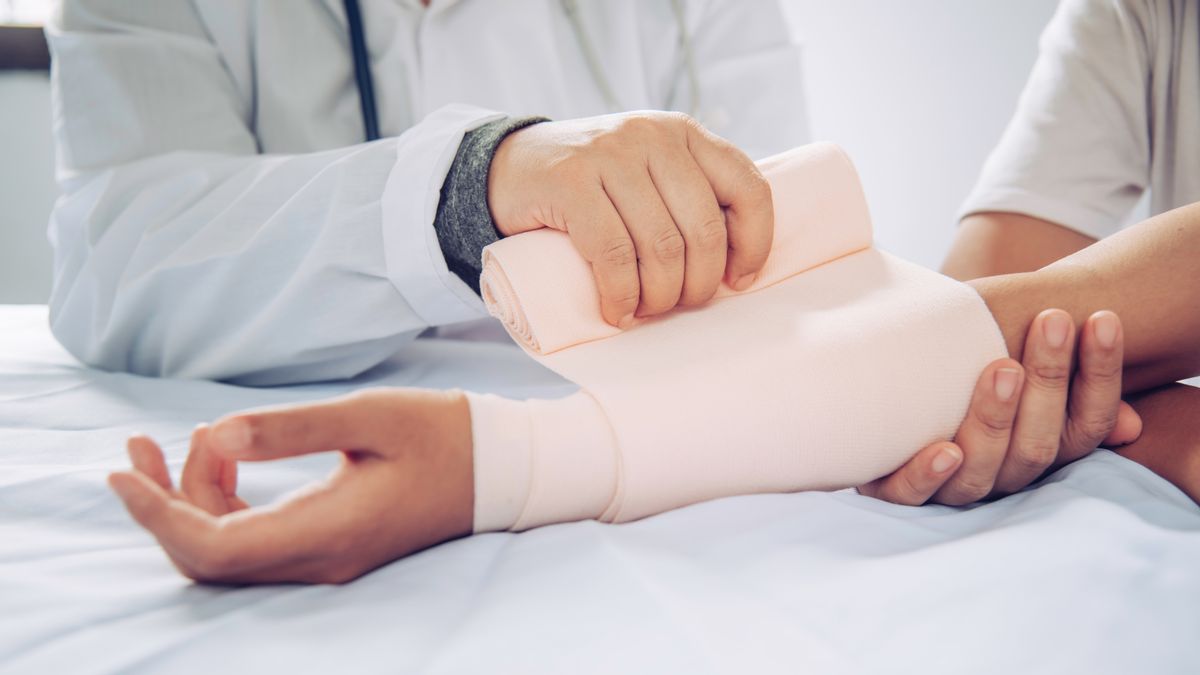


YOGYAKARTA - Broken bones are one of the injuries that often occur either due to accidents, exercise, or certain medical conditions. To overcome fractures, medical procedures are often needed such as installing metal pens or plates.
Types of pens for fractures vary widely depending on the location, type of fracture, and condition of the patient's body. This article will discuss various types of pens for fractures, their usefulness, and factors that need to be considered in the selection.
Getting To Know Pens For Broken Bones
Pens for fractures are medical tools used to repair and stabilize fractures. Usually, these pens are fitted with surgical procedures, and serve to keep bones in position in order to recover properly. Pens can be made of various materials, with metals such as titanium and stainless steel most commonly used because of their strength and resilience.
There are several types of pens for fractures used by orthopedic doctors, depending on the location and type of fracture experienced by patients. Here are some types of pens that are often used:
1. Pen Intramedulary (IM Rods)
Pen intramedulary, also known as IMrod, is the type of pen that is most often used for long fractures, such as thigh bone (femur) or calf (tibia). Rod is inserted into the bone cord to provide stability and allow bones to recover quickly. The process of installing IMrod is generally less invasion because it only involves a small cut in the skin to putrod into the bone.
2. External Fixator)
This type of pen for fractures is used when fractures are severe or when internal surgery is not possible. The outer pen, known as an external fixator, is installed outside the body and equipped with a metal rod that connects multiple pins or bolts attached to the bone. External fixator allows doctors to monitor and adjust the bone position during the healing process without opening large wounds.
3. Plates and airs
Plates (metal plates) and screens (clusters) are often used for more complex fractures or when fractures cannot be combined with pen intramedulary. These metal plates are mounted along the bones and secured with screws to provide strong structural support. This type of pen for fractures is ideal for more complicated fractures or involving more than one piece of bone.
SEE ALSO:
-
 | LIFESTYLE
Proses Pembuatan Yogurt: Persiapan Bahan, Fermentasi, hingga Penyimpanan
26 November 2024, 14:55 -
 | INFO SEHAT
Konsumsi Yogurt Setiap Hari Disebut Bantu Cegah Risiko Kanker Usus, Benarkah?
03 September 2025, 15:55 -
 | INFO SEHAT
Ahli Gizi Ungkap 5 Makanan yang Sebaiknya Tidak Dikonsumsi saat Sarapan
25 April 2025, 23:25


4. Dynamic Compression Plates (DCP)
This type of pen for fractures is used to ensure fractures can reconnect with the pressure needed to accelerate the healing process. DCP is designed to provide compression on the bones and reduce movement between fractures. This is particularly effective for long fractures that require more stability to prevent shifts during healing.
5. Locking Plates
Locking plates is a variant of a metal plate equipped with a bolt system that "locks off" the screw position on the plate. This provides greater stability than conventional plates, especially in more brittle bones or in patients who have a high risk of experiencing post-operational instability. This type of pen for fractures is perfect for fractures that are difficult to integrate or for patients with certain medical conditions that affect the bone healing process. Also Know First Rescue Solang Breaks that Must Be Given
Factors To Consider In Choosing Types Of Pens
The choice of the type of pen for fracture is not arbitrary. Orthopedic doctors will consider various factors before determining the type of pen that is most suitable for patients. Several factors that need to be considered include:
1. Location of Broken Bones
The location of fractures greatly affects the type of pen to be selected. For example, for long fractures such as femur or tibia, IM rod or metal plate would be more effective, while more complex fractures or involving some bone fragments may require the use of plates and screws.
2. Patah Tulang type
Will the fracture be transverse, oblique, or communative (cuts)? The type of fracture will affect the choice of pen used to ensure optimal healing.
3. Patient Health Condition
Patients with certain medical conditions, such as diabetes or osteoporosis, may require a more special type of pen to ensure faster healing and reduce the risk of complications.
4. The severity of the Broken Bones
Severe fractures or involving multiple bone fragments will require stronger and more stable pens to ensure proper healing.
Choosing the right type of pen for fractures is essential to ensure a fast and effective healing process. With the various options available, such as pen intramedulary, external fixator, and metal plates, doctors will consider various factors to determine the pen that is best fit to the patient's condition. With the ever-evolving medical technology and innovation, the process of bone fracture recovery can now be carried out more efficiently and with minimal risk. If you or your closest person have a fracture, make sure to consult a doctor to know the best choice according to existing conditions.
So after knowing the type of pen for fractures, see other interesting news on VOI.ID, it's time to revolutionize news!
The English, Chinese, Japanese, Arabic, and French versions are automatically generated by the AI. So there may still be inaccuracies in translating, please always see Indonesian as our main language. (system supported by DigitalSiber.id)


