
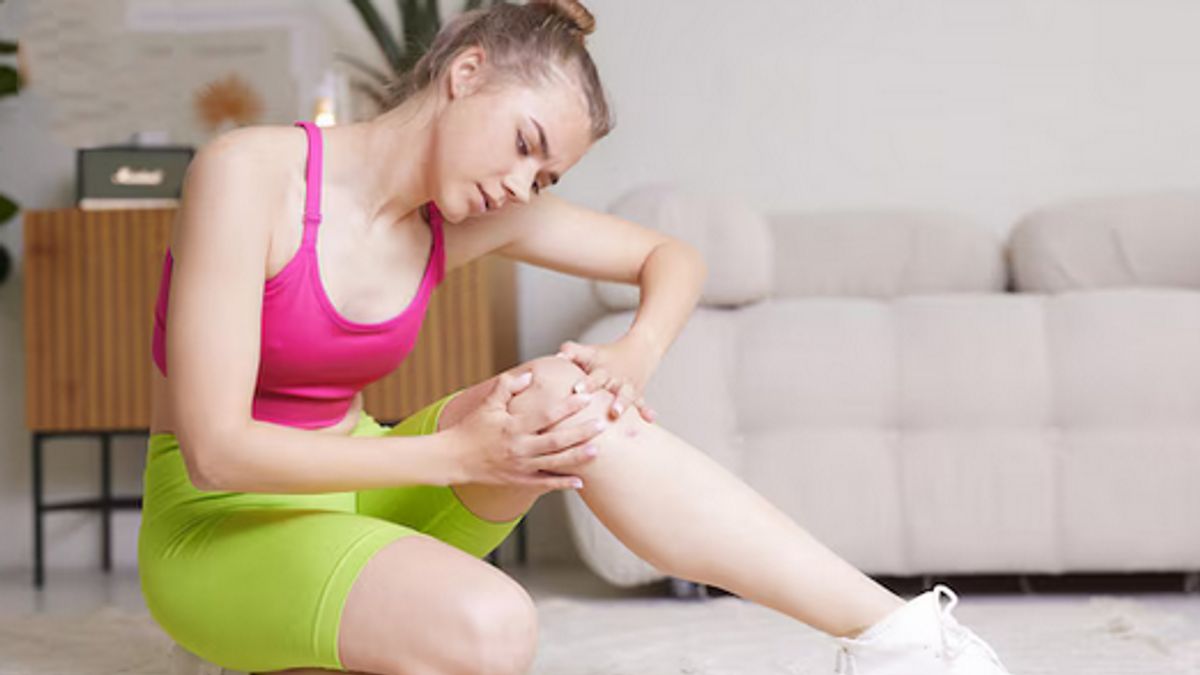


YOGYAKARTA – You may have experienced joint pain, stiffness, or difficulty moving, especially in the knees or hips. This condition could be a sign of osteoarthritis, one of the most common joint disorders in adults.
Osteoarthritis occurs when the cartilage in the joints thins and breaks down, causing friction between the bones and pain. Although often considered part of the aging process, this condition can actually be managed with a healthy lifestyle and proper exercise.
Signs or symptoms of osteoarthritis
Signs of osteoarthritis usually begin with joint pain that occurs during activity or after prolonged rest. Joints may feel stiff, especially in the morning or after sitting for long periods. Sometimes you may hear a "click" or "crack" sound when moving the joint. This sound is caused by the joint surface becoming uneven. Over time, joint movement can become limited and accompanied by mild swelling. In more severe cases, the joint may feel weak or unstable, especially when bearing weight.

Causes and Risk Factors for Osteoarthritis
Osteoarthritis is not solely caused by age. While decreased elasticity and cartilage regeneration are more common in older adults, other factors also play a role. Excess weight, for example, puts additional pressure on supporting joints like the knees and hips. Old joint injuries, jobs that require repetitive movements, and genetic factors can also accelerate joint damage. If you have experienced a fracture or torn ligament in the joint area, your risk of osteoarthritis increases because the joint structure is no longer balanced.
The Right Exercise for Osteoarthritis Sufferers
The good news is that exercise can be a very effective natural therapy for reducing pain and maintaining optimal joint function. According to a recent study published in Medical News Today on Wednesday, October 29, according to the journal Annals of the Rheumatic Diseases (2024), aerobic exercise such as walking, cycling, and swimming has been shown to be the most effective form of exercise for people with knee osteoarthritis.
The results of this study indicate that regular aerobic exercise can reduce short- and medium-term pain, improve joint function, gait patterns, and quality of life for sufferers. The study analyzed over 5,000 participants who followed various exercise programs.

This view is also supported by the American College of Rheumatology (ACR) and the Arthritis Foundation in their official 2019 guidelines. Both organizations recommend regular physical activity as the first-line treatment for osteoarthritis of the knee, hip, and hand. According to the guidelines, low-impact aerobic exercise, muscle-strengthening exercises, and joint stretching can help reduce pain and maintain mobility.
The Centers for Disease Control and Prevention (CDC) adds that regular exercise not only reduces pain but also increases muscle strength and improves joint function. The CDC even recommends that people with osteoarthritis engage in 150 minutes of moderate physical activity per week, such as brisk walking or leisurely cycling.
Other types of exercise, such as strength training, are also important to strengthen the muscles around the joints, especially the thigh and calf muscles that support the knee. With strong muscles, the load is not directly placed on damaged cartilage. Furthermore, balance exercises and stretching can help maintain joint stability and flexibility to prevent stiffness after activity.
Exercise Safety Tips
Before starting any exercise program, it's best to consult a medical professional or physiotherapist. They can help determine the type of exercise that best suits your joint condition. Start with a light intensity, then gradually increase it as you progress. Avoid exercises that put excessive stress on your joints, such as long-distance running or jumping. Consistency and patience are key, as the benefits of exercise for people with osteoarthritis will be felt over the long term.
Osteoarthritis cannot be completely cured, but that doesn't mean it's not curable. You have to accept the pain. By understanding the signs and causes of osteoarthritis, and choosing exercises supported by scientific research, you can manage your symptoms and stay active throughout your day. So, don't let osteoarthritis hold you back. Keep moving, take care of your joints, and take good care of your body.
The English, Chinese, Japanese, Arabic, and French versions are automatically generated by the AI. So there may still be inaccuracies in translating, please always see Indonesian as our main language. (system supported by DigitalSiber.id)
Most Popular Tags
#Prabowo Subianto #donald trump #Febrie Adriansyah #8791 #giias 2026Popular


