



Being on a gluten free diet is now becoming more common, both for health reasons and medical needs such as allergies and Celiac disease. However, finding a completely safe gluten-free food is not as easy as imagined. Gluten can be hidden in sauce, instant seasoning, or even in a cooking process that is not sterile. Therefore, it is important to understand how to choose and make sure your food is completely gluten free, especially in Indonesia where the product options are still limited.
In Indonesia, the terms gluten free and free gluten' are often used alternately. However, not all of these labels mean it is completely safe. Citing Naturally Gluten-Free, Friday, October 17, some restaurants list information such as gluten friendly or without gluten' material, which means they only try to reduce risk, not guarantee 100% gluten-free. So, when you look at this kind of label, you should continue to ask the staff directly about the ingredients and how to process it.
Before eating out, do a little research on restaurants that do provide a gluten free menu. In big cities such as Jakarta, Bandung, and Bali, there are now many cafes or restaurants with the gluten free option, especially those that focus on healthy foods or vegans. Restaurants like this usually understand more about kitchen ingredients and hygiene. Avoid coming at crowded hours so that staff can be more careful in preparing your food, and don't hesitate to ask about their food processing procedures.
Being open is an important step to prevent an allergic reaction. When ordering food, clearly convey that you have an allergy or gluten intolerance, not just following a certain diet. Try to make sure the cooking utensils and ingredients used are clean and do not come into contact with wheat products. If necessary, you can bring a small card containing an explanation of gluten allergies to make it easier for staff to understand your condition.
Many Indonesian foods that seem safe actually contain hidden gluten. For example, regular soy sauces that contain wheat, instanton spices for fried foods, or feeder broths that use flour as a dilution. In fact, flour fried, instant noodles, and cream soup are often an unexpected source of gluten. Instead, choose natural foods such as white rice, boiled potatoes, grilled fish, stirred fresh vegetables, or clear flavored side dishes that do not use diluting flour.
SEE ALSO:



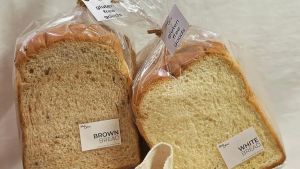

Handling special requests such as gluten-free menus requires extra effort from restaurant staff. They need to clean cooking utensils, change gloves, or separate ingredients in the kitchen. Therefore, it is important to appreciate their efforts with a friendly and expressive attitude. Provide reviews according to facts or recommendations after your eating experience can also help other restaurants be more aware of the importance of a safe presentation for customers with gluten allergies.
Living a gluten free diet does not mean you can't enjoy a delicious culinary. With simple research, good communication, and understanding of how to avoid cross-contamination, you can still enjoy gluten-free food wherever you are. In Indonesia, awareness of gluten free food is still growing, but small steps from consumers like you can help encourage a bigger change towards a safe and inclusive food choice.
The English, Chinese, Japanese, Arabic, and French versions are automatically generated by the AI. So there may still be inaccuracies in translating, please always see Indonesian as our main language. (system supported by DigitalSiber.id)
Most Popular Tags
#Prabowo Subianto #donald trump #firearm #8791 #giias 2026Popular


