
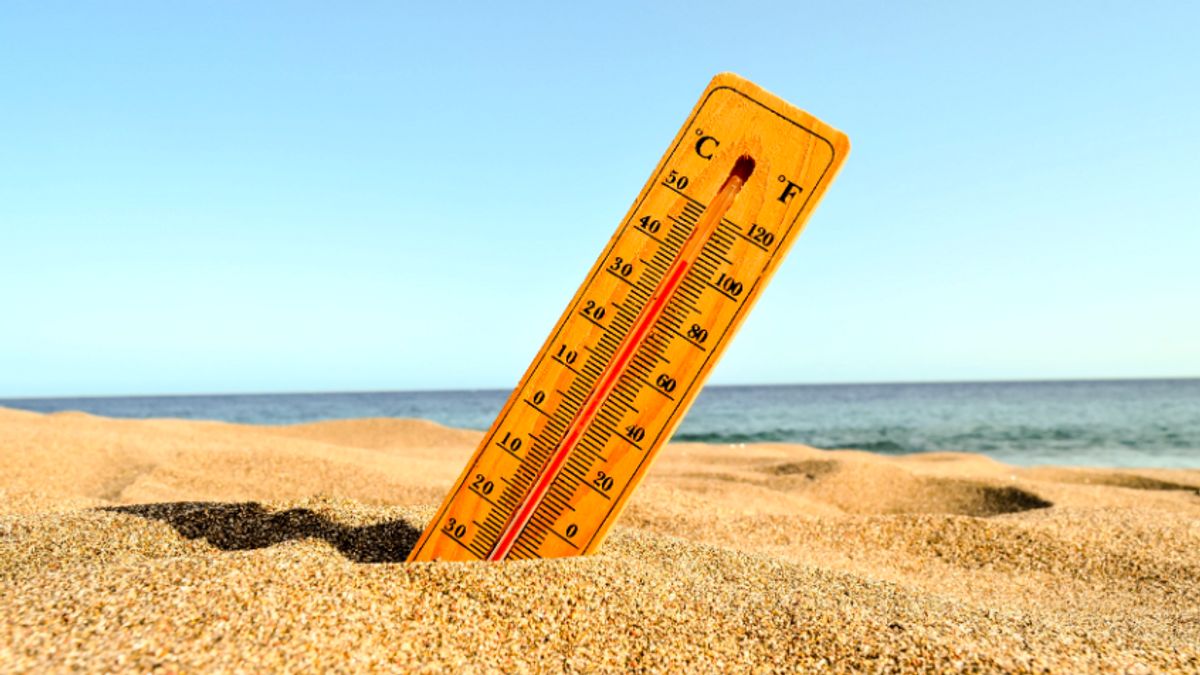


JAKARTA - In the last few days, almost all Indonesians have complained about the hot weather getting hotter. It feels like everywhere I go, the sun is strong without mercy.
Based on BMKG (BMKG Agency for Meteorology, Climatology and Geophysics) records, air temperatures in a number of areas reached 35 to 36.6 degrees Celsius in mid-October.
It turns out that this phenomenon is still normal for the October period. The cause is the pseudo shift of the sun which is now moving south of Indonesia. As a result, the intensity of sunlight increases, clouds run low, and rain decreases. This makes the air feel very dry and hot.
Not only making fun, but extreme hot weather has a serious impact on health. According to research, temperatures that are too high can increase the risk of various diseases. Not only for the elderly, but also for young people who are mostly active outdoors.
Here are 6 health problems that can appear when the temperature is high, as reported by the Healthline page.
1. Migraine Attack
If you are easily dizzy when you are hot, it may not be just tired, but migraines due to high temperatures. Doctors explain that heat and dehydration can trigger inflammation that exacerbate headaches.
Frequent symptoms include pulsed headaches on the one hand, sensitive to light and sound, nausea or dizziness, and visual impairment (aura). The tip is to drink water regularly and avoid direct sunlight for too long.
2. Heart attack
The heat temperature makes the heart work extra hard to keep the body temperature normal. For those with a history of heart disease, this can be dangerous.
Symptoms include chests feeling shortness of breath or pain, short breathing, pain spreading to the arms or jaw, nausea and cold sweat. Immediately seek medical help if you experience these signs, especially when the weather is hot.
3. Stroke
Extreme heat can increase the risk of stroke, especially in the elderly or people with high blood pressure. This condition occurs because high temperatures suppress the body's system and disrupt blood flow to the brain.
The characteristics are that the face or hands feel weak on the one hand, have difficulty speaking, and are dizzy and have lost balance. Immediately contact the emergency service if these symptoms appear.
4. Heat stroke (Hot Heat)
Heat stroke is a dangerous condition when the body temperature rises drastically to above 40$C. Usually characterized by a weak body, confusion, hot and dry skin, severe headache, seizures or loss of consciousness. Before heat stroke, the body usually warns in the form of heat exhaustion such as dizziness, nausea, and fatigue.
If that happens, immediately look for a shady place, drink water, and use a cold compress. Avoid caffeinated or alcoholic drinks that can exacerbate dehydration.
5. Kidney disorders
During hot weather, the body loses a lot of fluids through sweat. If not balanced by drinking enough, the function of the kidneys can be disrupted. The risks include severe dehydration, kidney stones, and urinary tract infections. The simple solution is to drink lots of water, even before feeling thirsty.
6. Unstable Blood Pressure
Extreme heat can cause blood pressure to rise or drop suddenly. When body fluids decrease, blood pressure can drop and cause dizziness or weakness. But in some people, heat actually makes blood pressure increase because the heart works harder.
Pay attention to the signs such as headaches or headaches feeling light and avoiding severe activity in the hot sun.
BACA JUGA:
-
 | INFO SEHAT
Dapat Sebabkan Kematian di Cuaca Panas, Kenali Gejala dan Cara Menangani Heatstroke
17 Oktober 2025, 06:55




Tips For Staying Safe In Hot Weather
So that the body remains healthy even though the temperature is extreme, try some of these simple steps:
- Drink enough water before and during outside activities.
- Avoid activities in direct sunlight that are too long.
- Wear loose clothes and hats while traveling.
- Rest in an air-conditioned room or a shade.
- Immediately seek medical help if you feel dizzy, weak, or nauseous.
"If you start to feel like your head is heavy or your body is weak, immediately look for a cool place and drink a lot of water. If it doesn't get better, immediately contact the doctor." advice Dr. Christopher Freer, medical emergency expert.
The English, Chinese, Japanese, Arabic, and French versions are automatically generated by the AI. So there may still be inaccuracies in translating, please always see Indonesian as our main language. (system supported by DigitalSiber.id)
Most Popular Tags
#Prabowo Subianto #donald trump #firearm #8791 #giias 2026Popular


