


YOGYAKARTA - Flavonoid is a natural phytonutrient compound found in fruit plants, vegetables, stems, roots, flowers, and even wood skin. This compound acts as an antioxidant, reduces inflammation, prevents cell mutations, inhibits the development of cancer, and regulates the function of enzymes in the body. Many do not know, it turns out that the type of flavonoid is very diverse. Each type is present in a variety of foods that may already be commonly consumed. The following is explained by the type of flavonoid and its health benefits.
Flavonol, also known as flavanols or flavan-3-ols, belongs to the largest group with more than 6,000 types. Examples are kaempferol, quercetin, myricetin, and fisetin. Citing VerywellHealth, Wednesday, September 17, the source of flavonol food includes green vegetables such as kale, lettuce; fruits such as apples, wine, berry; as well as onions, garlic,callions. Quercetin is mainly found in onions, green tea, cocoa, and red wine.
Flavone includes compounds such as apigenin, luteolin, baicalein, and chrysin. Foods containing flavone include parsley, typhme, celery, green olives, and chilies. Flavone serves as a plant's protective pigment to ultraviolet light, and in the human body helps provide protection against oxidative stress.
Groups of flavanones are usually found in citrus fruits such as oranges, lemons, and wines. Examples include hesperiidin, naringenin, diosmin, and eriodictyl. Its function is related to the ability to neutralize free radicals, thus helping to keep the body's cells from oxidative damage.
Isoflavones, or isoflavonids, are often referred to as phytoestrogen because they can show estrogen hormone-like activity in several organisms. Examples of the compound are genistein and daidzein. Isophlavone-rich foods are usually from soybeans and other legumes.
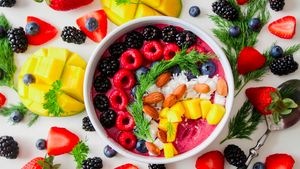
Anthocyanin is a pigment that gives red, blue, purple colors to fruit and flowers. Examples of compounds such as cynidin, dephinidin, pelargonidin, and others. The sources are fruits such as strawberries, blueberries, raspberry, red wine, and black berries.
Flavonoids divided into the above types, have various health benefits. Among other things, it helps prevent LDL oxidation (bad cholesterol) which if oxidized can trigger cardiovascular disease. Flavonoids also help widen blood vessels and support healthy blood vessels. That way, flavonoids can contribute to reducing the risk of high blood pressure and heart disease. Furthermore, here are the benefits of flavonoids for health:
Consumption of foods full of flavonoids affects several aspects of glucose metabolism. Its positive effects can help facilitate carbohydrate digestion, increase insulin secretion, improve glucose retrieval by body cells, and reduce fat deposits that can disrupt metabolism. A study of many people finds that anthocyanine intake from apples, blueberries, and pirings is associated with a lower risk of type 2 diabetes.
Flavonoids can inhibit enzymes that have the potential to convert substances into carcinogens, help DNA repair, and trigger apoptosis or cell death to be programmed when the damage is too heavy. These good compounds can also inhibit tumor cell invasion and the formation of new blood vessels that supply tumors.
The anti-inflammatory nature of flavonoids makes it effective in reducing excessive immune responses. In addition, it also helps suppress the production of inflammatory compounds such as cytokines and helps reduce chronic pain related to conditions such as arthritis, osteoarthritis, and neuropathic pain.
SEE ALSO:


Flavonoids are also believed to protect nerve cells from oxidative stress and inflammation that can accelerate brain aging or trigger Alzheimer's-like conditions. Some studies suggest that high intake of flavonoids is associated with lower risk of dementia.
Although the benefits of flavonoids are real if they are obtained from a regular diet, some people choose flavonoid supplements. However, it should be noted that doses, shapes (types of flavonoids), and supplement quality vary widely. Some flavonoids can interact with certain drugs. So that before taking flavonoid supplements, you should first consult a doctor or health professional.
Flavonoids are a group of natural compounds that are rich in benefits and are found in a variety of plant-based foods and vegetables. Getting flavonoids from everyday meals is generally safer and more natural than relying entirely on supplements.
The English, Chinese, Japanese, Arabic, and French versions are automatically generated by the AI. So there may still be inaccuracies in translating, please always see Indonesian as our main language. (system supported by DigitalSiber.id)


