


JAKARTA - Stress not only affects mental conditions, but can also leave a real imprint on appearance. From skin that is easily acne to thin hair, emotional stress turns out to be closely related to physical health.
When the body is constantly under pressure, the hormonal balance is disturbed and triggers various problems in the skin and hair.
"Stress and anxiety are very disturbing to the mind, so they can cause chaos in the body, causing a number of health problems that can be frustrating as well as embarrassing," said dermatologist Dr. Viral Desai, quoted from the Hindustan Times.
According to Desai, the impacts that often arise due to stress include acne, eczema, hyperpigmentation, hair loss, to increased skin sensitivity. This is exacerbated by a modern fast lifestyle, work pressure, and a tight deadline.
The dermatologist from the Indian Cancer Society in Mumbai, Dr. Satish Bhatia, added that anxiety and stress can affect the endocrine system. Hormonic changes such as increased cortisol, epinephrine, and adrenaline trigger physical reactions that have a direct impact on skin health.
Desai explained that these hormones can disrupt the skin's natural balance, increase oil production, and cause inflammation that leads to acne, comodo, and clogged pores. Excimous conditions can also recur, characterized by itching, red, and inflamed skin.
In addition, stress makes the skin more sensitive to environmental factors and care products, making it easier to experience irritation. Other impacts include melanma due to hormonal imbalance, the appearance of fine lines, wrinkles, aging spots, and rosacea which make the face look red with blood vessels clearly visible.
SEE ALSO:
-
 | LIFESTYLE
Begini Cara Blow Rambut Sendiri di Rumah, Hasilnya seperti di Salon!
19 Agustus 2025, 21:45 -
 | LIFESTYLE
Menurut Pakar, Ini Alasan Mengapa Rambut Memerlukan Vitamin dan Mineral Tambahan
09 Februari 2023, 10:51
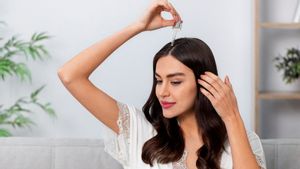


Stress is also related to the efluvium telogen, a condition that causes hair loss to become excessive, which risks reducing hair density.
According to Bhatia, patients with certain diseases such as uncontrolled diabetes, thyroid disorders, or Cushing syndrome can experience more severe skin problems due to hormonal imbalances. These conditions can cause dry skin, severe acne, eczema, rosacea, and even nigricans 'small and dark skin'. The hair can become thin or fall off faster.
"For those who have an underlying skin condition such as acne, eczema, or psoriasis, stress due to anxiety can worsen symptoms or trigger recurrence of symptoms," explained Bhatia.
He added that the release of cortisol in the long term accelerates skin aging. Collagen and elastic fiber decrease, facial fat pads run low, so that the face looks older and tired. This skin problem can also cause psychological pressure, creating a vicious circle between anxiety and skin health.
To break the cycle, experts recommend a healthy lifestyle such as yoga, meditation, breathing exercise, and sleep for quite 78 hours every night. The selection of skin care products that are gentle, fragrance-free, and hypoallergenic is also recommended.
Consultation with dermatologists can help find appropriate treatment, both with drugs, chemical peeling, and laser therapy.
" Breaking this cycle requires a holistic approach. There is a strong correlation between skin disease and anxiety, with anxiety that often decreases with age," said Bhatia.
The English, Chinese, Japanese, Arabic, and French versions are automatically generated by the AI. So there may still be inaccuracies in translating, please always see Indonesian as our main language. (system supported by DigitalSiber.id)


