
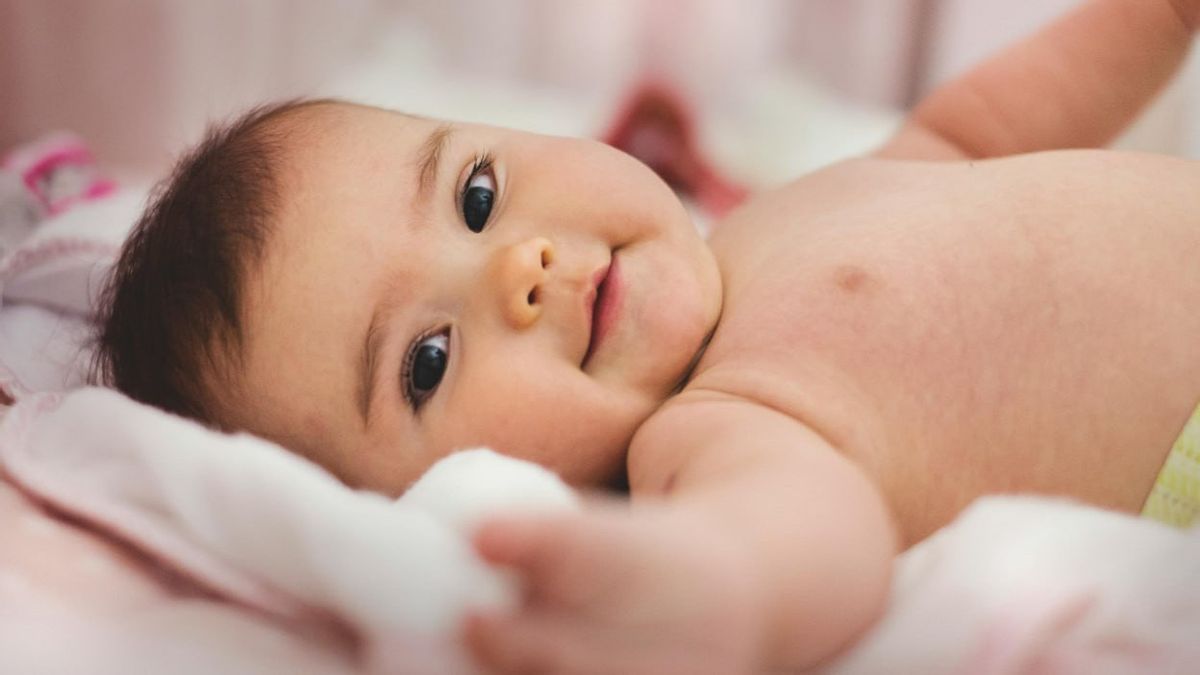


YOGYAKARTA - Caring for newborns is indeed a challenge for parents, especially for those who have children for the first time. One of the important things in caring for babies is maintaining cleanliness and health in the navel area after the umbilical cord is removed.
When the baby is born, the doctor will cut the umbilical cord that previously connected the baby to the placenta in the uterus. This cutting leaves a small part of the umbilical cord of about 2 to 3 cm, which will then dry up and release itself in about 1 to 2 weeks.
After the rest of the umbilical cord is released, parents need to carefully maintain the navel area so that the healing process runs perfectly and does not cause complications.
The previous umbilical cord had an important function during pregnancy, namely distributing nutrients, oxygen, and antibodies from the mother to the fetus. However, after the baby was born, this function was no longer needed so that the umbilical cord was cut.
Even though it has been released, the cut marks or navel holes are still susceptible to infection. Therefore, care after the loose umbilical cord must be carried out carefully and consistently.
Here are some ways parents can take care of their baby's navel after the rest of the umbilical cord is removed:
After the rest of the umbilical cord is released, the baby's navel must still be cleaned at least once a day. Use a clean cotton that is smeared in warm water to clean the navel area gently. Clean it gently so as not to cause irritation or injury.
A moist baby pulse can be a bacteria nest that causes infection. Therefore, make sure the navel area is always dry. After cleaning, dry the baby's navel with a soft cloth or dry tissue that is sterile. Do not let the navel be covered with diapers or tight cloth so that air circulation is maintained.
It is better to wait until the rest of the umbilical cord is completely released and the navel area has started drying before the baby is washed by soaking. Before that, bathe the baby by engulfing it using a soft washlap, as well as a special soap that is safe for the baby.
So that the baby's central rope is dry quickly and is not certified, it is better to leave it open. Avoid covering it with plaster, octopus baby, or net. Allowing the central rope to be exposed to the air will help the drying process and prevent excess moisture.
After the umbilical cord is removed, you should wear loose clothes and not press the baby's stomach area. Avoid tight clothes or have rubber in the stomach because it can irritate the navel area and slow healing.
Pay attention to signs of infection in the umbilical cord, such as redness, unpleasant odors, there is a wet or continues to wet liquid, or a baby crying when the navel area is touched. If you find one of these symptoms, consult a doctor immediately for proper treatment.
Even though the rest of the umbilical cord looks dry and hanging, never try to pull it out forcibly. Let the umbilical cord be released by itself so as not to cause injury or bleeding.
Caring for the baby's navel is part of the parent's responsibility in ensuring that your little one grows healthy and comfortable. Not only maintaining cleanliness, parents also need to be sensitive to changes or unusual signs around the navel. Don't hesitate to consult a pediatrician if you are worried or not sure about the condition of the baby's navel.
SEE ALSO:
-
 | INFO SEHAT
Orang Tua Lebih Sayang Anak Sulung atau Bungsu? Penelitian Ungkap Faktanya
22 Januari 2025, 13:55 -
 | LIFESTYLE
Indonesia Nomor 2, Ini Daftar 17 Negara dengan Konsumsi Mi Instan Terbanyak di Dunia
01 Januari 2025, 17:50 -
 | INFO SEHAT
7 Makanan untuk Orang Diare yang Aman Dikonsumsi agar Cepat Pulih
11 November 2024, 21:25

In addition, this treatment time can also be a special moment to strengthen the bond between parents and babies. A gentle touch and full attention when cleaning or changing clothes can make the baby feel safe and loved.
The English, Chinese, Japanese, Arabic, and French versions are automatically generated by the AI. So there may still be inaccuracies in translating, please always see Indonesian as our main language. (system supported by DigitalSiber.id)
Most Popular Tags
#Prabowo Subianto #donald trump #Febrie Adriansyah #8791 #giias 2026Popular


