
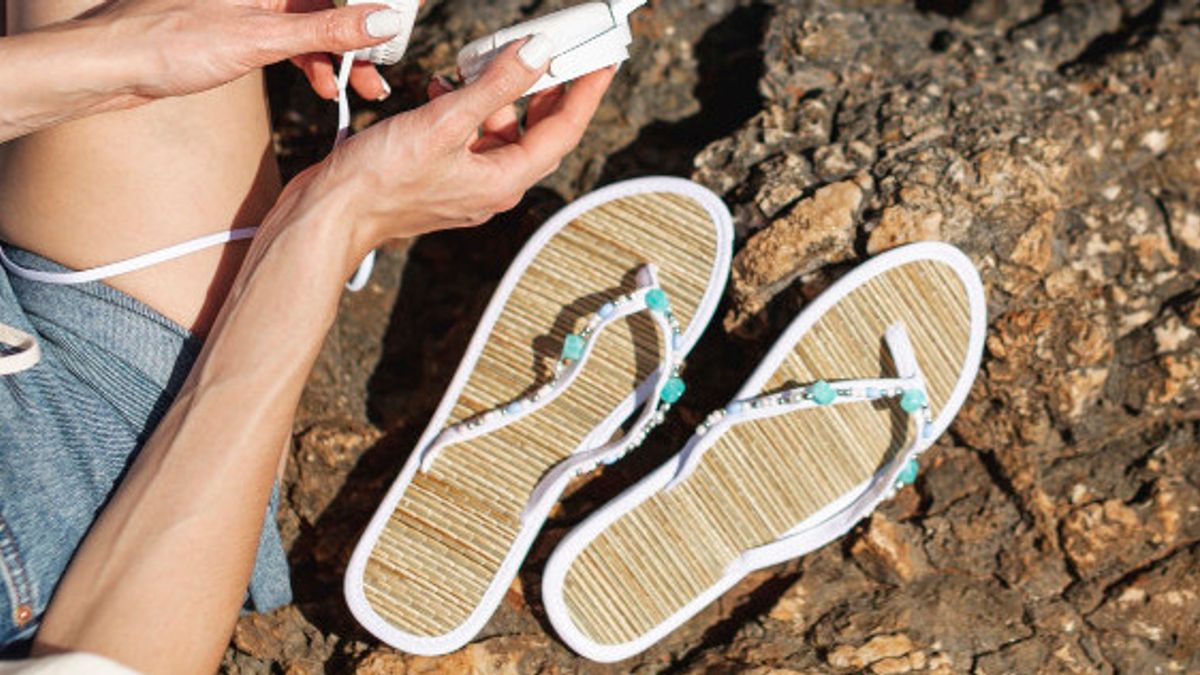


YOGYAKARTA Sandal flip-flops or popularly called flip-flops, are chosen because they are light and easy to use. However, although it is comfortable to take a leisurely walk for a while, orthopedic experts warn that long-term use can have a negative impact on the health of your legs and body. You need to understand, there are risks and factors that need to be considered when wearing flip-flops or flip-flops, here's the explanation.
Traditional flip-flops are usually very flat without the support of leg arching. This condition can make your feet roll over (overpronation). The effect puts excessive pressure on the arch and heel. As a result, reported by OrthoArkansas, Wednesday, July 16, you can experience plantar fasciitis, which is painful inflammation of the tissue under the soles of your feet.
Aresorption is a resortpsy which means reabsorption. In the context of the human body, resorts mean a process of reabsorbing substances by the body's tissue, such as bones, fluids, or nutrients.
In the context of wearing flip-flops, because the sol of thin flip-flops does not absorb the impact properly when stepping, especially on the hard surface. So it can be said that the impact when walking, running, or stepping off with flip-flops, is not accorted. Footwear cannot reduce exposure, so the joints of the heel, knees, and hips will receive a larger load. If used for too long, the risk of heel pain and inflammation of the plantar increases significantly.
flip-flops do not have a rope on the back. So that when you wear them, you tend to pinch them with your toe while walking. This habit puts repeated pressure on the muscles of your fingers, feet, and even your calf. Over time can trigger cramps, tendeditis, or deformations such as a hazard toe.
The use of flip-flops forces you to walk with a different posture than when wearing closed shoes, because leg support is reduced. This changing style of move can cause tension in your knees, hips, and lower back. Although small changes, its long-term effects can make you vulnerable to joint injuries.
So, if you are active longer, use comfortable shoes with an ARch arch and a capable sole to reduce the impact or shock when walking. Avoid wearing flip-flops for a long time because it will be at risk of injury to the joints.
SEE ALSO:
-
 | LIFESTYLE
Jenis Sepatu Pria untuk Jalan-jalan yang Nyaman Dipakai namun Tetap Kece
28 Januari 2024, 13:18
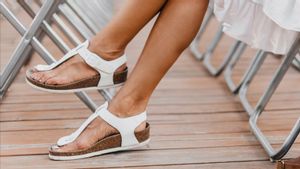


You can still wear flip-flops, as long as you choose one specifically designed with orthopedic support. Critical criteria for choosing footwear include an array of supports (a natural arch support), soft soles for reducing impacts, stable heel basins, and broad straps so that the load spreads evenly.
The best flip-flops are worn for a short time. For example, going to the beach, swimming pool, or walking for a while around the house. To walk long, exercise, or be worn throughout the day, closed shoes that support the structure of the feet are more recommended. This helps minimize the risk of injury while maintaining the comfort of your feet.
It should be understood that flip-flops or flip-flops are practical and comfortable footwear for short use. However, if worn for too long without adequate support, the risk of foot problems, muscles, and joints cannot be ignored.
The English, Chinese, Japanese, Arabic, and French versions are automatically generated by the AI. So there may still be inaccuracies in translating, please always see Indonesian as our main language. (system supported by DigitalSiber.id)


