
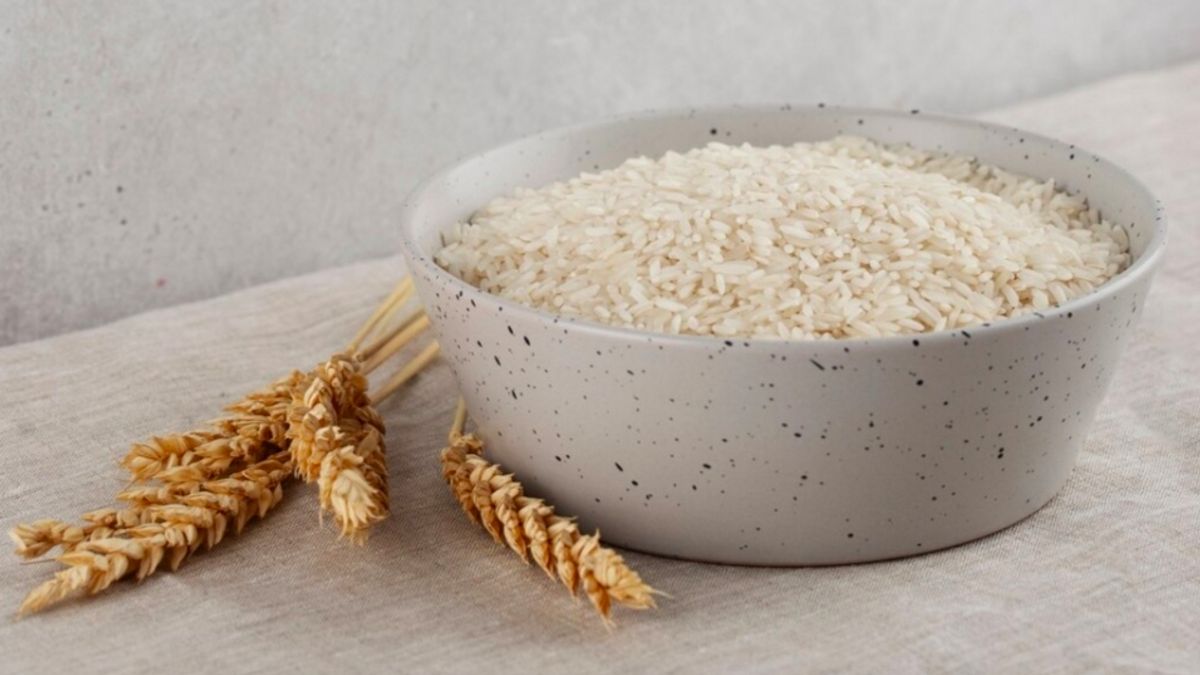


JAKARTA - Recently, the Ministry of Agriculture (Kementan) together with the Food Task Force found 212 rice brands that did not meet the standards they should have met. The list of rice brands that are suspected to have been mixed or mixed has now been released to the public.
The most common mode is packing regular rice and then selling it as if it were premium or medium rice. In addition, many also include weight in the packaging label which does not match the actual content.
The Minister of Agriculture, Andi Amran Sulaiman, said that the team had carried out a thorough examination. As a result, about 86 percent of these products were proven to have used labels that did not match reality.
To help you avoid rice products that are not according to standards, there are several ways to easily distinguish real and fake rice. Prof. Tajuddin Bantacut, an Agricultural Industry Technology Expert from IPB University reminded us of the importance of recognizing mixed rice. Not just in terms of quality, but in order to maintain better health and life.
According to him, mixed rice is not new, but still often escapes the attention of many people. In fact, there are characteristics that can actually be recognized with the naked eye.
"If you find rice that is different from usual, such as color, smell (flavour), texture and grain, it can be 'suspected' as rice that has been mixed in the sense that there is quality damage or the existence of foreign objects," he said in an online interview from the IPB campus in Dramaga, Bogor, quoted from the official IPB website.
Prof. Tajuddin also revealed that in some cases, oplosan rice is even mixed with inappropriate additional substances, such as dyes or preservatives.
SEE ALSO:
-
 | EKONOMI
Bos Bapanas Klaim Penyaluran Bantuan Beras Efektif Tekan Inflasi Pangan
15 Juli 2025, 10:26

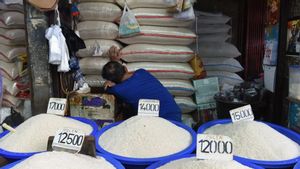
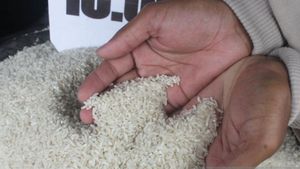
Prof. Tajuddin appealed to the public to be more vigilant. Rice that looks suspicious, such as strange colors, unusual smells, or comes from obscure sources, should be avoided.
"Avoid buying rice without a label or from an obscure source. Wash the rice before it is cooked and alert if there are foreign objects floating," he said.
Not only about the quality today, Prof. Tajuddin also invites us to understand that rice has a shelf life. Ideally, rice is only stored for a maximum of six months. More than that, the quality will continue to decline, and can even be damaged due to environmental, pest, or microorganisms influences.
Damaged rice can be polished again. However, if the damage is severe, both physically, chemically, and microbiologically, it is not suitable for consumption. Especially if it contains chemicals or preservatives, it can be harmful to health," he explained.
He explained, there are at least three types of mixed rice that the public needs to recognize. First, rice mixed with other foodstuffs, such as corn. Second, blended rice, which is a mixture of several types of rice to improve taste or appearance. Third, the most troubling thing is: rice is damaged or unusual which is re-polled to make it look good, even though the quality has decreased considerably.
The thing that Prof. Tajuddin conveyed was not just a warning, but also a heart call. He invites all of us to be more concerned about what we consume, and not easily deceived by foreign appearances.
"If managed properly, as an agricultural country, Indonesia should not only focus on production, but also on distribution and consumption of rice equally and safely." he concluded.
The English, Chinese, Japanese, Arabic, and French versions are automatically generated by the AI. So there may still be inaccuracies in translating, please always see Indonesian as our main language. (system supported by DigitalSiber.id)
Most Popular Tags
#Prabowo Subianto #donald trump #firearm #8791 #giias 2026Popular


