
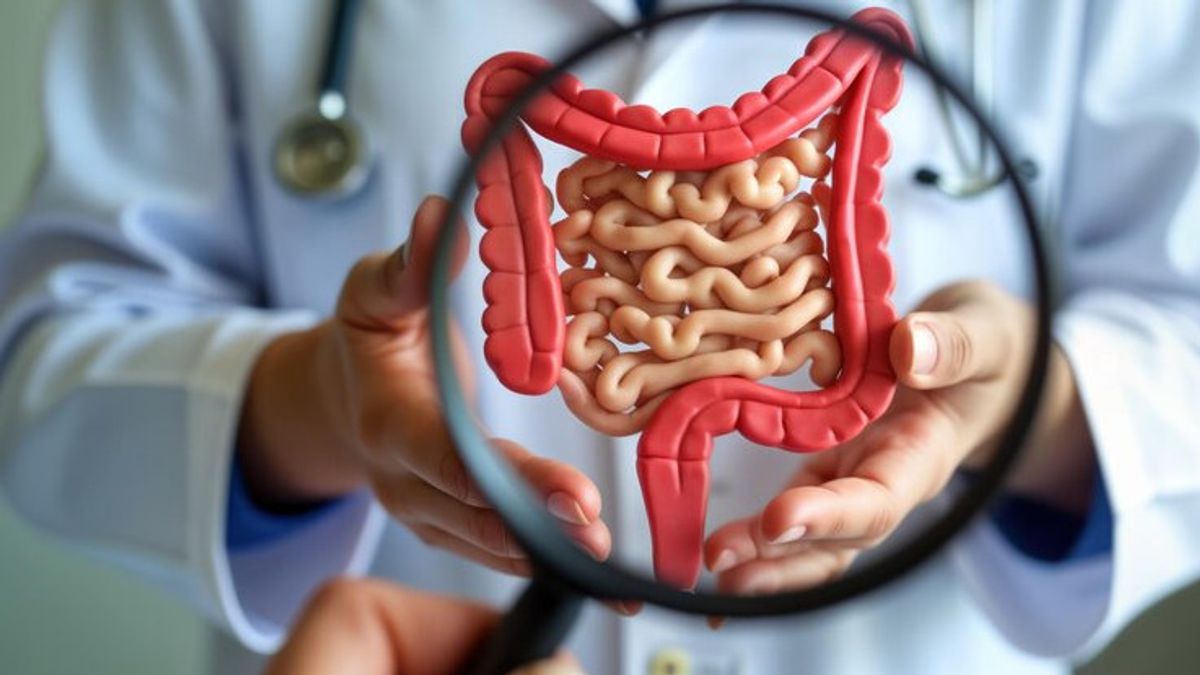


JAKARTA - Large businesses or cyclones are the ultimate part of the digestive system that has an important role in absorbing water, electrolytes, and forming food remains. However, when the function of the large intestine is disturbed, the body begins to give certain signs.
Unfortunately, many of these symptoms are often overlooked or considered as ordinary digestive problems. If left unchecked, this condition can develop into serious disorders such as intestinal inflammation, infection, and colorectal cancer.
Here are signs of damage to the large intestines to watch out for, as reported by the Healthline page.
1. Kronis convoluted
Debris that occurs repeatedly or lasts for a long time can be an indication that your colon is not functioning optimally. This can be caused by a decrease in the perictaltic movement or a buildup of fecess due to water absorption disorders.
2. Repeated Diarrhea
On the other hand, diarrhea that often recurs can indicate inflammation or irritation in the column. This condition is common in people with Irritable Bowel Syndrome (IBS), collitis, or bacterial infections.
3. Stomach bloating and frequent Gas Exhaust
Excess gases in the digestive system that causes a bloating stomach can be caused by the buildup of bad bacteria or the fermentation of food that is not perfect in the large intestine. If it happens continuously, this could be a sign of an imbalance in intestinal flora.
4. Pain at the bottom of the stomach
The persistent pain in the lower left side of the stomach is often related to the problem of the cygmoid column. This can be a sign of diverticularity, ulserative collitis, or other inflammatory conditions.
5. Fatigue Without Cause
Although it seems unrelated, chronic fatigue can be a result of the absorption of nutrients that are disrupted due to inflammation in the large intestines. This disorder can also affect the immune system and cause fatigue that never disappears.
6. Changes in Tinja Shape and Color
A very hard, liquid, bloody, liquefied, or dark color tin can be a signal of disturbances in the large intestine. Blood in pain can show the presence of wounds, inflammation, or even colorectal cancer.
7. Lowering Food Lust And Weight
If you suddenly lose your appetite or weight for no apparent reason, be aware of disturbances in the digestive tract, including the large intestine. This condition can be caused by infection, chronic inflammation, or abnormal growth such as polyp or tumor.
SEE ALSO:
-
 | INFO SEHAT
Studi Ungkap Konsumsi Makanan Fermentasi Bantu Jaga Kesehatan Ginjal
03 Juni 2025, 00:25



Why Are These Signs Often Ignored?
Many people view these symptoms as common digestive disorders due to food, stress, or fatigue. Because the symptoms are not always severe or cause extreme pain, many sufferers delay checking with a doctor so that conditions become chronic or difficult to treat.
To maintain the health of the colon, you can do the following steps:
- Consumption of high-fiber foods (layur, fruit, seeds)
- Drink enough water
- Avoid processed, fatty, and high sugar foods
- Manage stress well
- Regular exercise
- Avoid smoking and excessive alcohol consumption
- Do regular intestinal examinations, especially if you are over 50 years old or have a family history with intestinal disease
Immediately consult a doctor if you experience symptoms that last more than two weeks, especially when accompanied by blood in your stomach, your weight drops drastically, or repeated stomach pain.
The English, Chinese, Japanese, Arabic, and French versions are automatically generated by the AI. So there may still be inaccuracies in translating, please always see Indonesian as our main language. (system supported by DigitalSiber.id)


