
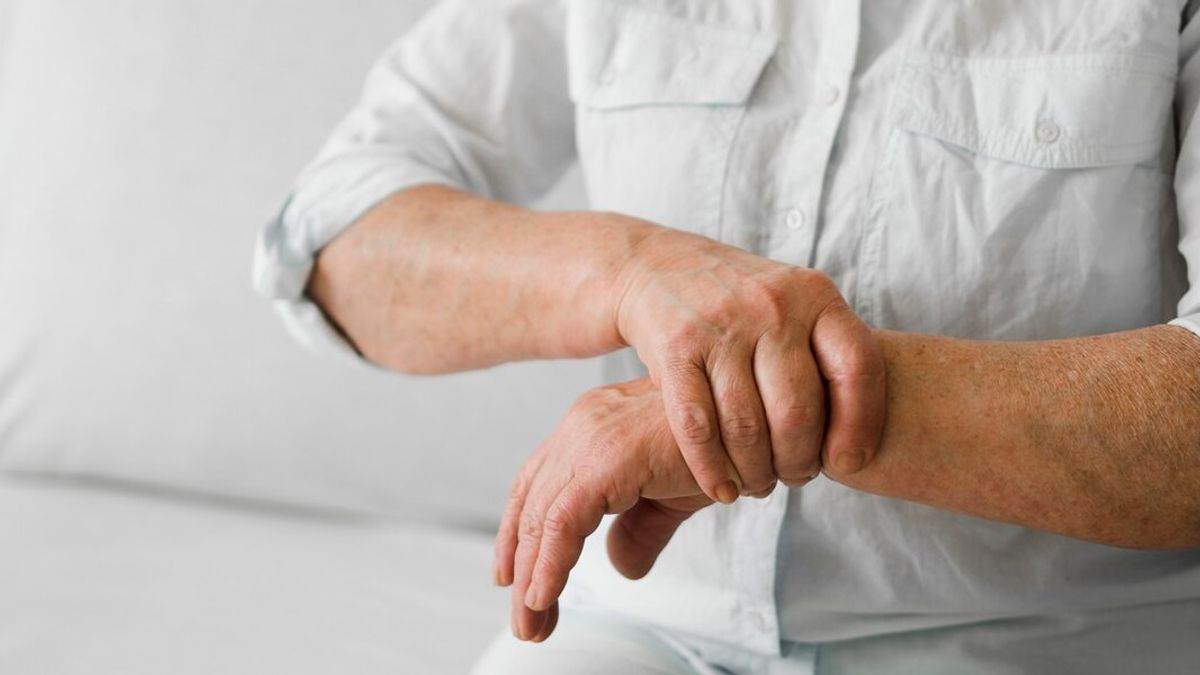


JAKARTA - Parkinson's disease is a nervous system disorder that affects the movement of the body and conditions are getting worse over time. While this disease cannot be cured, proper prevention can help sufferers live a better life.
Symptoms of Parkinson
Reporting from the Mayo Clinic page, the symptoms of Parkinson's disease vary and often appear slowly. Some of the common symptoms experienced by people with Parkinson's disease include:
- Tremor ( Tremetar)
Tremor is the most common symptom in Parkinson's. Usually it starts in the hands or fingers, although it can also appear in the legs or jaw. This trend is often clearer when the body is in a state of rest.
- Slowing Movement (Bradykinesia)
One of the most disturbing symptoms is slowing movements. This makes daily activities, such as getting up from a chair, dressing, or bathing more difficult and taking longer.
- Kaku Muscle
Parkinson's sufferers often feel stiffness in the muscles of the body, which causes pain and difficulty in doing movement.
- Posture and Bad Balance
Parkinson's sufferer may experience bendy posture and difficulty maintaining balance. This can increase the risk of falling.
- Change of Voice and Writing
The sound becomes slow, fast, unclear, or flat without any intonation. In addition, handwriting becomes small and difficult to read.
- Sleep and Cognition Problems
Parkinson's sufferers can also experience sleep disorders, such as waking up at night and strange behavior during sleep. In addition, problems with concentration and dementia can develop over time.
Causes of Parkinson's
The exact cause of Parkinson's disease is not yet known, but there are several factors that contribute to the development of this disease:
- Dopamine Shortage
In Parkinson's, neurons in the brain that produce dopamine, which is an important substance to regulate movement of the body, will be damaged or die. This dopamine deficiency causes movement disorders.
- Genetics Factor
Although most Parkinson's cases are not caused by genetic factors, certain genetic changes can increase a person's risk of suffering from this disease, especially if there is a history of family suffering from Parkinson's.
- Environmental Factors
Long-term exposure to certain toxins, such as pesticides or other chemicals, can increase the risk of getting Parkinson's disease. However, this factor is not always a direct cause.
Parkinson's Prevention
Since the exact cause of Parkinson's disease is not yet known, there is no really effective way to prevent it. However, some steps can help reduce the risk of contracting this disease:
- Regular Sports
Research shows that physical activity, especially aerobic exercises, can lower Parkinson's risk and help slow the development of the disease in an individual who has been diagnosed.
SEE ALSO:
-
 | INFO SEHAT
10 Tips Ilmiah Menyimpan Bahan Makanan agar Tetap Segar Lebih Lama
17 Februari 2025, 16:46 -
 | INFO SEHAT
Diduga Penyebab Kematian Kim Sae Ron, Kenali Gejala Henti Jantung
17 Februari 2025, 15:25 -
 | INFO SEHAT
Dokter Tirta Beri Penjelasan soal Air Mineral Ada Manisnya, Bisa Bikin Diabetes?
17 Februari 2025, 13:25


- Consuming Caffein
Some studies show that caffeine consumption, such as coffee and green tea, can help reduce the risk of Parkinson's.
- Undergoing a Healthy Diet
Maintaining a healthy and balanced diet can support overall brain health and reduce risk factors related to Parkinson's.
- Avoid Exposure Toxic Exposure
Avoid exposure to harmful toxins or chemicals, such as pesticides, can help reduce the risk of getting Parkinson's disease.
- Medicines
Some drugs, such as ibuprofen and statin, show the potential to reduce the risk of Parkinson's.
The English, Chinese, Japanese, Arabic, and French versions are automatically generated by the AI. So there may still be inaccuracies in translating, please always see Indonesian as our main language. (system supported by DigitalSiber.id)


