



JAKARTA - Hypertension is a condition when blood pressure is higher than the normal value, and is often called The Silent Killer because it usually occurs without any complaints. This condition is experienced by many people, whether diagnosed or not.
The World Health Organization (WHO) once estimated that in 2023, there will be 1.28 billion people around the world aged 30-79 years experiencing hypertension and nearly 2/3 of their lives in developing countries, including Indonesia.
The results of the 2023 Indonesian Health Survey (SKI) of the Ministry of Health show that the prevalence of hypertension in Indonesia is 30.8 percent.
This figure has indeed decreased compared to the results of the 2018 RISKESDAS, where the prevalence of hypertension in Indonesia is 34.1 percent. However, this figure is still high and needs good handling according to the Chairman of INNASH dr. Eka Harmeiwaty, Sp.N.
According to Dr. Eka, actually there are still many people who are not diagnosed with hypertension, compliance with treatment is still low, and the risk factors that cause hypertension have not been watched out for by the public. One of them is the influence of genetic risk.
"Research shows that 60.1 percent of hypertension is related to genetic factors and the rest are related to the environment, such as smoking, obesity, and excessive consumption of salt," said Doctor Eka during a press conference in the Kebayoran Baru area, on Friday, February 21, 2025.
SEE ALSO:
-
 | BERITA
Beton Dirobohkan, Aksi Demo Mahasiswa ‘Indonesia Gelap’ di Patung Kuda Potensi Bentrok
20 Februari 2025, 17:42 -
 | BERITA
Sekian Lama Ditunggu, Kades Kohod Arsin Akhirnya Tampil di Publik dan Minta Maaf
14 Februari 2025, 22:36 -
 | BERITA
Polisi Selidiki Pesta Gay di Salah Satu Hotel Kawasan Kemang yang Digelar Rutin
07 Februari 2025, 11:55

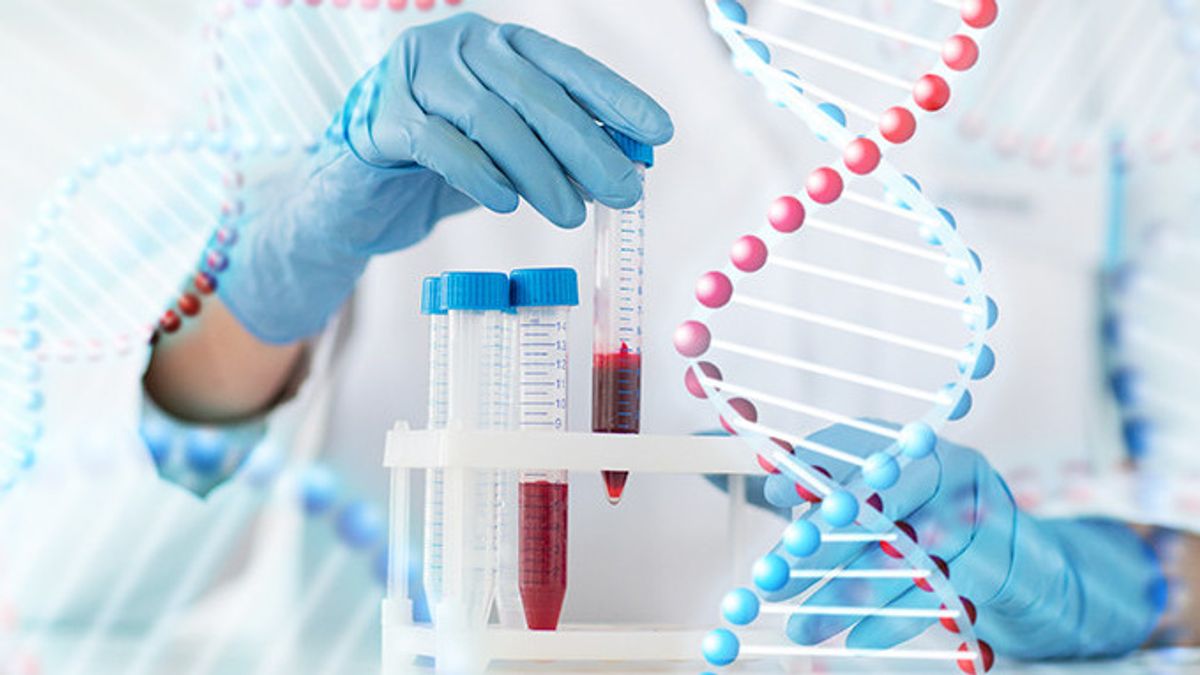
Therefore, Doctor Eka said that genomic tests could be one of the important steps to detect hypertension. With this test, it is hoped that it can detect people with a hypertension risk based on genetics, so that treatment can be carried out effectively.
"Recently genomic tests are also increasingly popular in the world of health, as one of the innovations that help detect early certain diseases, including hypertension," he said.
Genomics is a study that studies gene profiles on human DNA. Genomic tests can identify specific genes related to hypertension.
Genomics learns about the function of genes, developments, as well as their response or performance in the body that has an effect on individual health. Genomic tests can identify specific genes related to hypertension, making it possible to make personal prevention and treatment efforts," he explained.
In addition, Doctor Eka also emphasized that hypertension screening for the community needs to be further encouraged to find cases of hypertension early, so that more appropriate treatment can be done. Hypertension control in Indonesia also needs to be equipped with strengthening primary services, training for health workers, procurement systems and distribution of drugs that are well managed, and supporting the availability of drugs according to guidelines.
Image: Yesica Sitinjak/VOI
The English, Chinese, Japanese, Arabic, and French versions are automatically generated by the AI. So there may still be inaccuracies in translating, please always see Indonesian as our main language. (system supported by DigitalSiber.id)


