

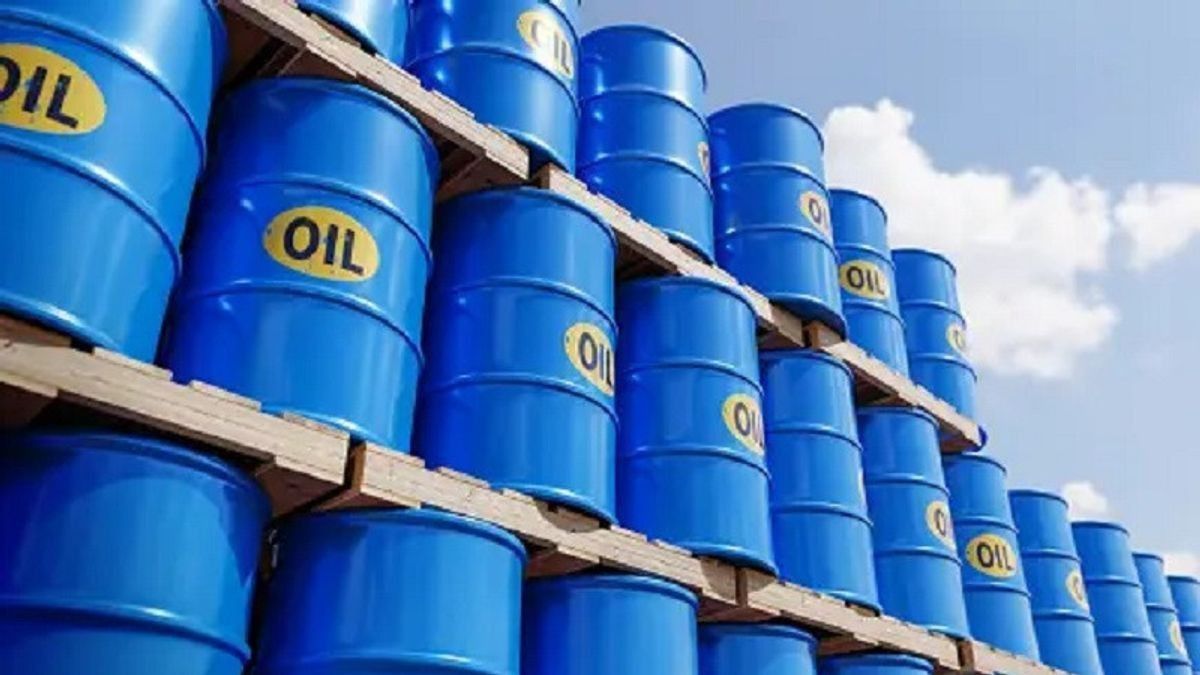


LONDON - The world oil market risks entering a "red zone" in July or August if the war in the Middle East does not subside.
Reported by The Straits Times, citing AFP, Friday, May 22, the warning was delivered by the Head of the International Energy Agency or IEA, Fatih Birol, at Chatham House, London, on May 21.
"We may enter a red zone in supply in July or August if there is no improvement in the war situation," Birol said.
The warning came after Iran effectively halted tanker traffic through the Strait of Hormuz. The move was said to be in response to attacks by the United States and Israel in late February.
The Strait of Hormuz is an important route for world energy trade. When oil and gas traffic in the region is stalled, prices can quickly move up.
According to Birol, the oil surplus before the war had helped dampen market shocks. However, inventories are now starting to thin out.
"Stocks continue to erode," he said.
He also warned that production and refining capacity would take "a lot of time" to return to pre-war levels.
Birol previously said commercial oil stocks were falling "very quickly", even though a number of governments had released strategic reserves.
The IEA has coordinated the release of 426 million barrels from emergency stocks by 32 member countries. Of that amount, about 164 million barrels have been withdrawn.
The April 8 ceasefire halted the war. However, the negotiation efforts so far have not produced a lasting peace agreement and still weigh on the world economy.
The English, Chinese, Japanese, Arabic, and French versions are automatically generated by the AI. So there may still be inaccuracies in translating, please always see Indonesian as our main language. (system supported by DigitalSiber.id)


