

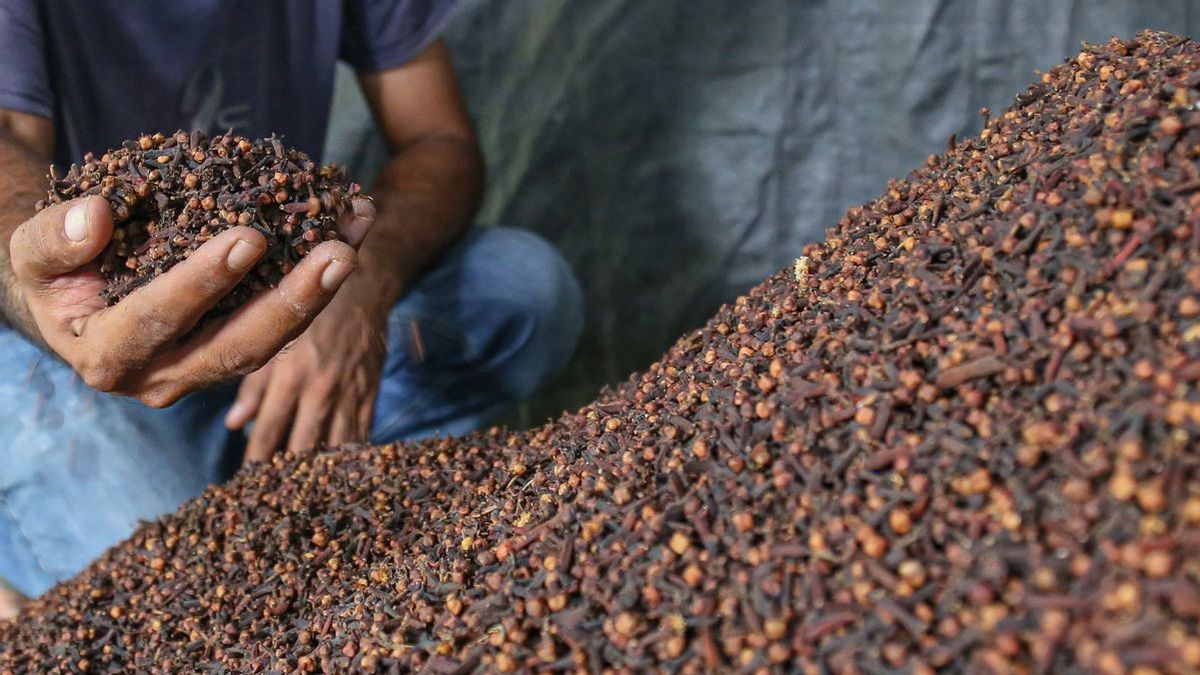


JAKARTA - The alleged case of cesium-137 (Cs-137) radioactive contamination in clove products from Indonesia has begun to have a domino effect on the global market.
In the United States (US), a number of spice importers are now facing a shortage of stocks ahead of the year-end celebration season.
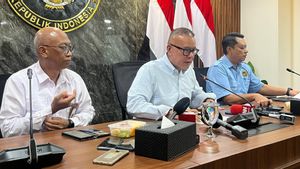
Head of the Public Communication and Diplomacy Division of the Cs-137 Bara Task Force, Krishna Hasibuan, revealed that the association of spice importers from the US even came directly to Jakarta to discuss the continuation of supply.
"Yes, that's why their spice association came to Jakarta and I met them. About three weeks ago," said Bara at the Coordinating Ministry for Food Affairs Office, Jakarta, Wednesday, October 29.
Bara ensures that Indonesian spice exports can still be carried out, but with increased security and testing standards. Currently, the government is strengthening a certification system so that Indonesian spice products are guaranteed to be free from contamination.
"We are currently carrying out capacity building, especially for spices and spices, yes, cloves are included there. Those who will carry out the BPOM certification process. So now the BPOM is concentrating on carrying out capacity building. Later, BPOM will have several more laboratories outside of those owned by BPOM that can be used to carry out this contamination test," he explained.
Bara believes the certification process can be completed quickly so that the export of spices to the US recovers, especially ahead of the high demand season at Thanksgiving, Christmas, and New Year's 2026.
SEE ALSO:
Sekadar informasi, cengkeh yang ditemukan terpapar Cs-137 berasal dari Fasilitas Pengolahan Cengkeh PT Natural Java Spice (PT NJS) di Surabaya, Jawa Timur dan perkebunan di Pati, Jawa Tengah.
Meski demikian, Bara menegaskan pasokan ekspor ke AS tetap bisa dilakukan dari daerah lain. Bara bilang banyak daerah di Indonesia penghasil rempah.
“Itu pasti. Kan spices itu ada dari Sulawesi, Sulawesi kan banyak. Sulawesi itu pun penghasil cengkeh utama besar kan. Dan ada tempat-tempat lain di Maluku juga kaya dengan pala. Jadi tempat lain tetap aktif melakukan ekspor ke AS dengan perusahaan lain,” ujarnya.
SEE ALSO:
For your information, the cloves found exposed to Cs-137 came from the Cengkeh Processing Facility of PT Natural Java Spice (PT NJS) in Surabaya, East Java and plantations in Pati, Central Java.
However, Bara emphasized that export supplies to the US can still be done from other regions. Bara said there are many regions in Indonesia that produce spices.
"That's for sure. There are a lot of them from Sulawesi, Sulawesi. Sulawesi is also the main big clove producer, right. And there are other places in Maluku that are also rich in nutmeg. So other places are still actively exporting to the US with other companies, "he said.
The English, Chinese, Japanese, Arabic, and French versions are automatically generated by the AI. So there may still be inaccuracies in translating, please always see Indonesian as our main language. (system supported by DigitalSiber.id)


