


PT Pertamina (Persero) affirms its commitment to supporting a sustainable energy transition through the development of environmentally friendly fuels that continue to evolve from B20, B30, B40, to the end of reaching Sustainable Aviation Fuel (SAF) based on Used Cooking Oil (UCO).
Pertamina's Director of Business Transformation and Sustainability, Agung Wicaksono, revealed that Pertamina's journey in developing environmentally friendly fuels is not only a story of economic success, but also a deep ecological journey.
"This is not only a successful journey in terms of the economy because it creates significant foreign exchange savings for the country, but also as an ecological journey. Placing the principles of Environment, Social, and Governance (ESG) as the core is something that means a lot," said Agung, in a statement to the media, Saturday, October 11.
SEE ALSO:
-
 | EKONOMI
Profil Konglomerat Peter Sondakh: Riwayat Karier, Bisnis, dan Kekayaannya
11 Oktober 2025, 18:06 -
 | EKONOMI
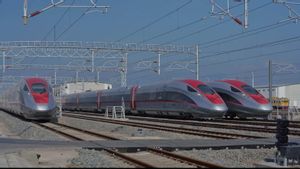
Terapkan Long Window, KCIC Sesuaikan Jadwal Whoosh Minggu Mulai 08:00
11 Oktober 2025, 14:03
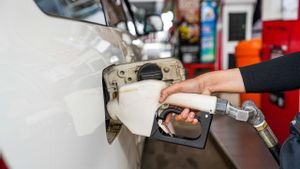

Agung continued, Pertamina's success in implementing biodiesel programs from B20 to B40 has had a major impact on national energy independence.
"Since the implementation of B20 and now B40, Indonesia has been able to meet domestic energy needs with more sustainable resources," he continued.
Agung also highlighted Pertamina's innovation in developing Sustainable Aviation Fuel (SAF) which comes from crude oil. According to him, this fuel does not only play an important role in reducing carbon emissions by 84 percent, but also supports the formation of a circular economy in society.
We have used the SAF from people's cooking oil to fly. So it's not only about reducing carbon emissions, but also part of the circular economy because people can exchange crude oil into rupiah, which is then processed into sustainable and efficient fuels," he explained.
Agung added that Pertamina's success in developing environmentally friendly fuels is an important part of national energy transformation. This program not only strengthens energy security, but also opens new jobs in the green energy sector and supports the Net Zero Emission (NZE) 2060 target.
This is Pertamina's transformation journey to support the national agenda regarding vegetable fuels. This step shows that Indonesia is capable of becoming a pioneer in clean energy in the Southeast Asia region," said Agung.
The English, Chinese, Japanese, Arabic, and French versions are automatically generated by the AI. So there may still be inaccuracies in translating, please always see Indonesian as our main language. (system supported by DigitalSiber.id)


