

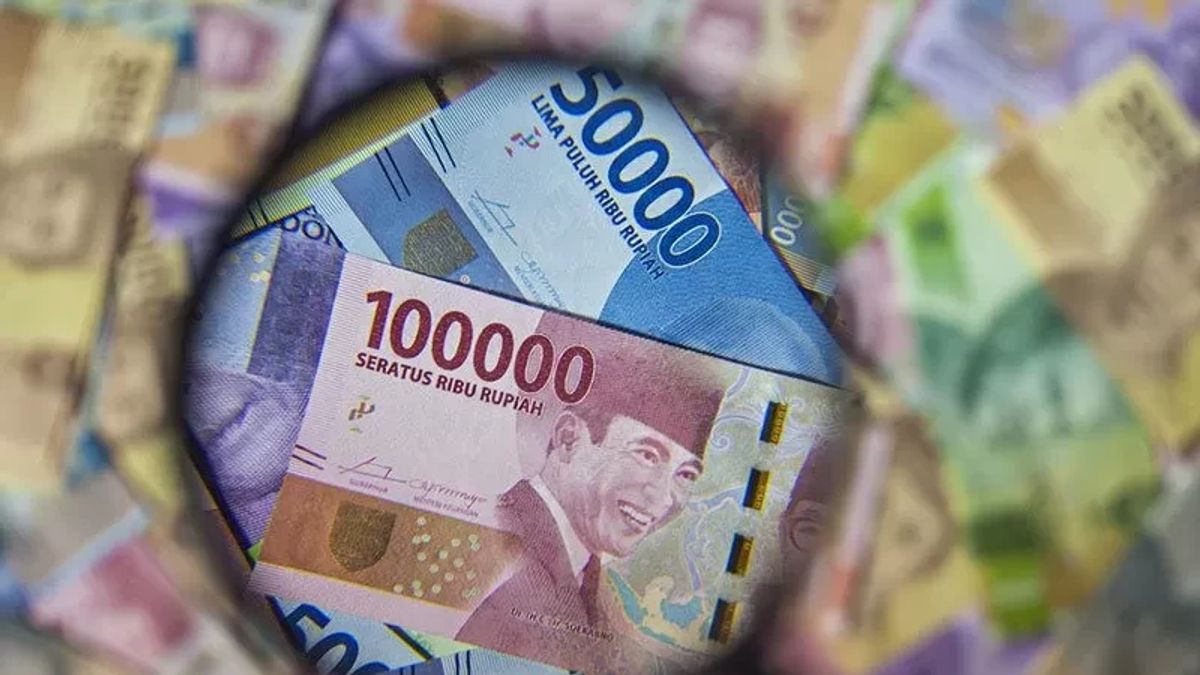


JAKARTA - The government continues to seek various strategic steps to maintain and improve national economic performance amid global challenges, due to geopolitical turmoil and US reciprocal rates. This makes the government at the domestic level continue to strive to strengthen the industrial sector through downstream programs, the transition to clean energy, and strengthen household consumption.
"Over the past decade, national economic growth has been relatively stable in the range of 5 percent, with inflation remaining under control within the target range, as well as improvements in social indicators such as declining unemployment and poverty levels," said Secretary of the Coordinating Ministry for Economic Affairs Susiwijono Moegiarso in his statement, quoted Wednesday, July 30.
Susiwijono said that the efforts made by the Government through the implementation of a series of stimulus throughout the first half of this year will continue in the second half.
He added that the Government will accelerate state spending, especially from ministries and institutions that have a large budget, as well as optimize the potential for public spending through national events, year-end holiday tour packages, and fiscal incentives that support the tourism and transportation sectors.
"The target of Indonesia in 2029 is to push economic growth back to 8 percent, as has been achieved before," he said.
Susiwijono conveyed that to achieve this target, one of which is that the government has designed a focus on development policies which include increasing agricultural productivity, strengthening the downstream industry, developing labor-intensive sectors and the creative economy, digital transformation, the Free Nutrition Food Program (MBG), and building 3 million houses.
SEE ALSO:


According to him, labor-intensive industries such as food, drinking, textiles, skin and furniture are also important contributors to the economy by sharing with GDP reaching 8.33 percent and being able to absorb job opportunities in a large area of 12.2 million people or reaching 8.41 percent of the total people working in Indonesia.
Furthermore, he said in terms of international cooperation, the government has successfully implemented economic diplomacy effectively, including in tariff negotiations with the United States which resulted in a 19 percent reduction in import rates.
In addition, he said that the completion of the IEU-CEPA negotiations opened up wider market opportunities in the European region, with a projection of significantly increasing Indonesia's exports.
"This opens up new opportunities for job creation and economic growth amid global uncertainty," he concluded.
The English, Chinese, Japanese, Arabic, and French versions are automatically generated by the AI. So there may still be inaccuracies in translating, please always see Indonesian as our main language. (system supported by DigitalSiber.id)
Most Popular Tags
#Prabowo Subianto #donald trump #Febrie Adriansyah #8791 #giias 2026Popular


