


JAKARTA - A digital treasure hunting game called the Jagat Coin has gone viral on TikTok social media. However, because it damaged a number of public facilities, the concept of this game was replaced by a Jagat Mission which focused on actions to protect the environment. Why do Indonesians like to hunt "treasure" and even damage?
The phenomenon of digital treasure hunting through the Jagat application, known as the Jagat Coin, has recently stolen the attention of the Indonesian people.
The Jagat coin is the latest feature in the Jagat social application. This application is known as a platform that allows users to stay connected to family and friends in real time. By using this application, users can track the location and activities of their closest people.
What makes this application more popular is the hunting game of the Jagat Coin. Simply put, the game, which started to go viral on TikTok, invites users to look for and collect virtual coins spread across various public locations in big cities such as Jakarta, Bandung, and Surabaya.

Later, each coin found could be exchanged for a lucrative cash prize. The value of the coin prize varies, between Rp300,000 to Rp1,000,000 for Bronze Coins, while the Golden Coin offers a bigger reward that makes it the main target of the hunters.
Clinical and forensic psychologist Kasandra Putranto said that the trending game of the Jagat Coin in certain circles could have a positive impact on its players.
The first aspect is about motivation and appreciation. The coins that are scattered and the lure of prize money can create a sense of competition and achievement," said Kasandra.
"When they manage to find coins, they feel satisfaction and appreciation that can increase dopamine, neurotransmitters related to feelings of joy," he added.
Encouraging Unethical Behavior
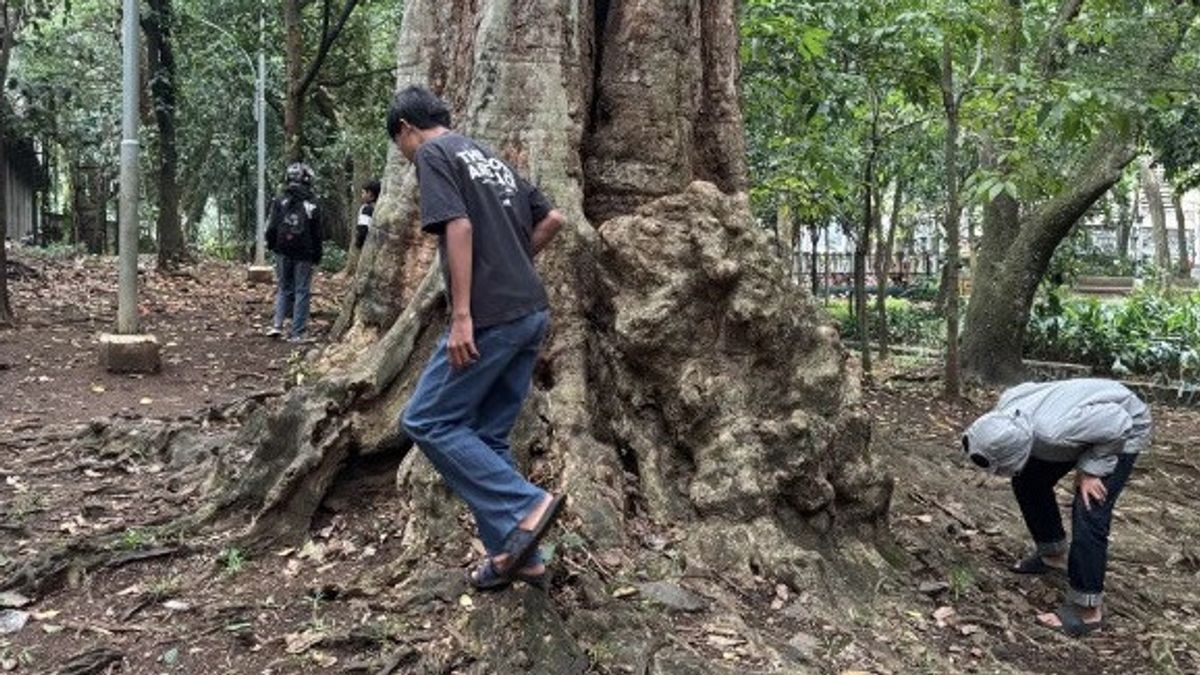
Despite offering exciting excitement and attractive prizes, this game is also controversial. As a result of this trend of hunting for Jagat Coins, a number of public facilities and public spaces such as Gelola Bung Karno (GBK) in Jakarta.
The damage caused includes damaged plants, paving blocks that were dismantled, and damage to the lamppoles. Damage also occurred in Tegalega Park, Bandung, West Java due to this activity.
Infrastructure and urban planning observer Yayat Supriatna highlights the big problem when virtual games such as the Jagat Coin interact with public spaces that have rules.
Digital spaces have no rules, but when interacting with regulated public spaces, various problems arise, Yayat said, citing Tempo.

Yayat also criticized the negative effects of this game on productivity and order. Coin hunting activity is considered only to increase adrenaline without obvious benefits.
"This shield has the potential to damage mindset, especially in children who have been exposed to various forms of gambling and online loans," he added.
In line with Yayat, Kasandra Putranto also mentioned the bad effects of this game. Among them is the potential to cause negative behavior if players feel pressured to compete or feel they have to do anything to get the coin.
This pressure can trigger aggressive behavior such as damage to facilities, as has happened in a number of places.
"This shows the motivation to get coins can encourage unethical or harmful behavior," said Kasandra.
"Based on the theory of social behavior, individuals may believe that the purpose of getting coins is justified even in an inappropriate way due to the limited empathy or awareness of the impact their actions have on others and the environment," he added.
Selling Hope
Sociologist from Sebelas Maret State University (UNS) Drajat Tri Kartono explained several factors that make this game very attractive to the public. First, the game offers an element of adventure that encourages users to interact in the real world.
"This is interesting and different from the current trend which makes users interact with gadgets more," said Drajat.
However, Drajat continued, the most important thing is the lure of cash prizes in the search for Jagat Coins. This kind of game sells hope for its users to get money instantly, although mathematically the chances of success are very small.
Therefore, in the end this game looks like a lottery, relying on the luck of the players. The difference is, this is not just trying your luck, but also wrapped in adventure.

"The lower and middle class people are dynamic. The burden is heavy to bear. They want to find work, make a business, it's difficult now, so once there is an opportunity to access it (instant money), people flock to look for it," he said.
Drajat refers to the trend of middle class people being vulnerable to lower classes because of various factors such as being fired from work, difficult to find new jobs, various burden levies, and increasing cost of living.
"So any opportunity, including this game, raises hopes of getting (money)," said Drajat.
SEE ALSO:


From this phenomenon, according to Drajat, the government should be more observant about people's lives. The phenomenon of hunting for treasure is not solely seen as activity to damage public facilities, even though there are structural problems behind it.
"The extraordinary aggressive action of this game could be a sign that people actually need help to improve their economy," said Drajat.
The English, Chinese, Japanese, Arabic, and French versions are automatically generated by the AI. So there may still be inaccuracies in translating, please always see Indonesian as our main language. (system supported by DigitalSiber.id)


