


JAKARTA - The United Nations (UNICEF) Children's Fund said on Tuesday, at least 2,400 children in Gaza had received several vaccines on the first day of the ongoing immunization, nutrition and health campaign.
The campaign aims to protect Gaza's children who missed routine vaccinations for two years due to Israeli aggression.
This campaign, which is jointly carried out with WHO and its partners, targets more than 40,000 children under the age of three and will be implemented in three stages. The first phase runs from November 9-18 and is planned for December and January.
"We have received 1 million vaccines and sent them to Gaza to protect children from preventable deadly diseases such as polio,carpage, and pneumonia," UNICEF spokesman Ricardo Pires told reporters in Geneva.
The campaign also includes nutrition and care checks for children malnourished and operating through 149 health facilities and 10 mobile units, supported by more than 450 trained health workers.
Pires stressed that Gaza once had 98 percent vaccination coverage and 55 immunization sites, but "the coverage has fallen below 70 percent with 31 vaccination facilities destroyed or damaged."
He described current efforts as "the first step towards recovering pre-conflict vaccination rates and rebuilding the broken Gaza health system," warning that this would require "an important and urgent donor support."
So far, no reported security incidents have affected the campaign, Pires calls it "good news," although he noted his success hinged on a "sustainable ceasefire and protection for humanitarian workers and their families."
Last week, WHO announced it would launch a massive health intervention in the Gaza Strip, Palestine next week, focusing on restoring basic medical services for children who have lost routine maintenance for nearly two years due to the war.
SEE ALSO:
-
 | BERITA
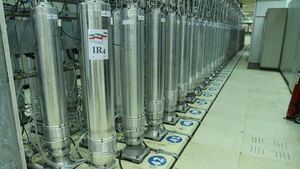
Wamenlu Iran: Teheran Tidak Mencari Bom Nuklir dan Siap Meyakinkan Dunia
11 November 2025, 16:30


In an upload at X WHO Director-General Tedros Adhanom Ghebreyesus said his party - in collaboration with UNRWA and UNICEF - will start providing routine vaccinations, screening malnutrition, offering care and monitoring growth for about 44,000 children in the Gaza Strip.
Ghebreyesus stressed that maintaining a ceasefire is currently critical to ensuring the safety and sustainability of humanitarian operations, including reaching out to children who have lost health services that save lives during the war.
As part of the plan, WHO rehabilitates 20 health facilities damaged or destroyed, adds to the number of service points where medical care can be provided, and seeks to restore critical health infrastructure that was severely disrupted during the war.
The English, Chinese, Japanese, Arabic, and French versions are automatically generated by the AI. So there may still be inaccuracies in translating, please always see Indonesian as our main language. (system supported by DigitalSiber.id)


