

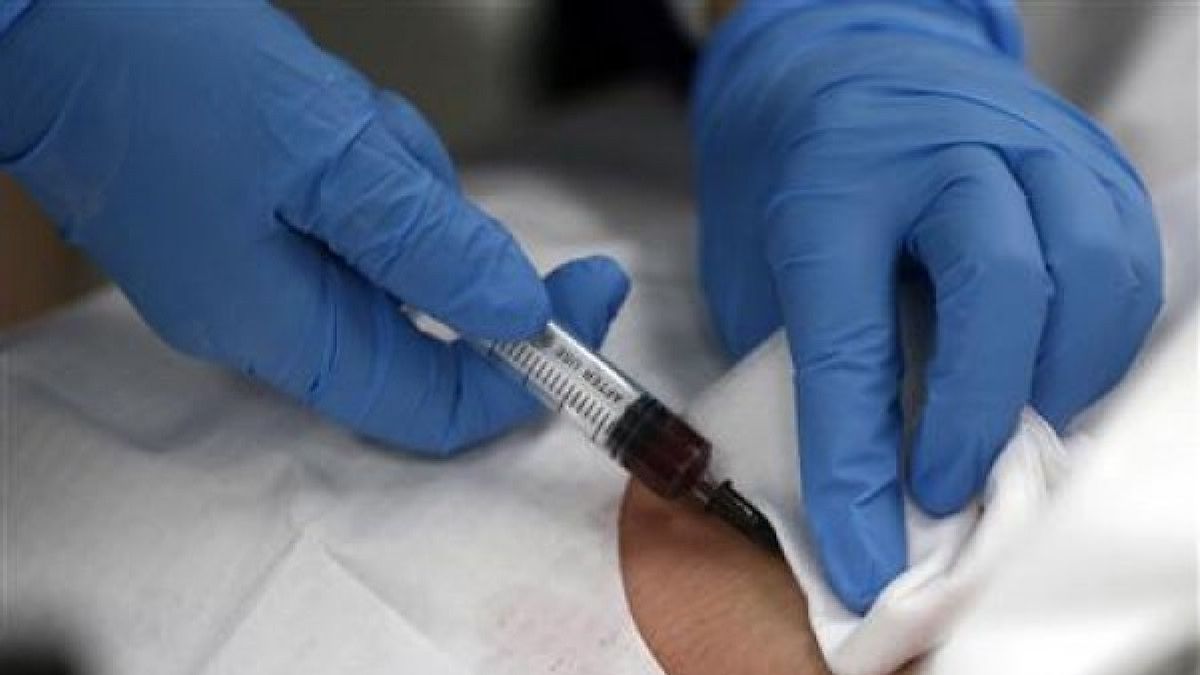


JAKARTA - News about alleged malpractice in hospitals has returned to the public spotlight.
Member of Commission IX of the DPR RI from the PKB faction, Neng Eem Marhamah, emphasized that the problem of health malpractice should not be considered as normal.
Eem noted, there are at least three sins in health services at this time, namely the neglect of the surveillance system, the weak protection of medical personnel, and the lack of public literacy about medical risks.
"When a baby is swapped, the mother dies, injects drugs wrongly, surgery tools are left in the patient's body, or patients lose sight, the public is angry. But we need to make sure, is this a violation of discipline, negligence, or is it a failure system?," said Neng Eem, Saturday, July 5.
This issue is also one of the serious discussions at the Commission IX Working Meeting of the DPR RI together with the Minister of Health, the Professional Disciplinary Council (MDP), and professional health worker organizations, such as the Indonesian Doctors Association (IDI), the Indonesian Midwives Association (IBI), and the Indonesian National Nurses Association (PPNI) at the Parliament Complex, Jakarta, on Wednesday, July 2, yesterday.
Furthermore, Neng Eem, who is also the chairman of the PKB MPR RI faction, noted that until July 1, 2025, there were still eight provinces that had not formed the MDP Ad Hoc Examining Team. In fact, this team is very crucial to guarantee independent and accountable investigations in the event of malpractice.
In fact, he also questioned the effectiveness of the complaint receiving system at the Ministry of Health.
"Of the hundreds of public reports, only 31% have been proven to have violated. Is our reporting system too loose? Or is it difficult for victims to prove?," asked Eem.
Therefore, the legislator from the constituency of Cianjur and Bogor, West Java encourages the Professional Disciplinary Council (MDP) to prepare technical instructions governing ethics, discipline and law so that those who do not have multiple interpretations, so that health workers are not criminalized.
During the Working Meeting at Commission IX of the DPR, Eem also appreciated the proposal that elements of the community and human rights institutions be involved in the disciplinary panel.
Therefore, he asked IDI, IBI, and PPNI to be more active in educating the public and building a digital reporting system and legal assistance that is evenly distributed to the regions.
SEE ALSO:
-
 | BERITA
Polisi Masih Dalami Kasus Korban Malapraktik di Klinik Kecantikan Jaktim
20 Mei 2025, 20:47

He also urged the Ministry of Health not only to record reports of Patient Safety Incidents (IKP) and Unexpected Incidents (KTD), but to follow up with investigations, guidance, and real interventions to health facilities that have repeatedly been negligent.
"Don't let the poor have to go to the hospital but come home with only grief. This is not only a matter of malpractice, but a matter of justice, humanity, and integrity of our health system," he concluded.
The English, Chinese, Japanese, Arabic, and French versions are automatically generated by the AI. So there may still be inaccuracies in translating, please always see Indonesian as our main language. (system supported by DigitalSiber.id)
Most Popular Tags
#Prabowo Subianto #donald trump #2026 World Cup #Febrie Adriansyah #8791Popular


