
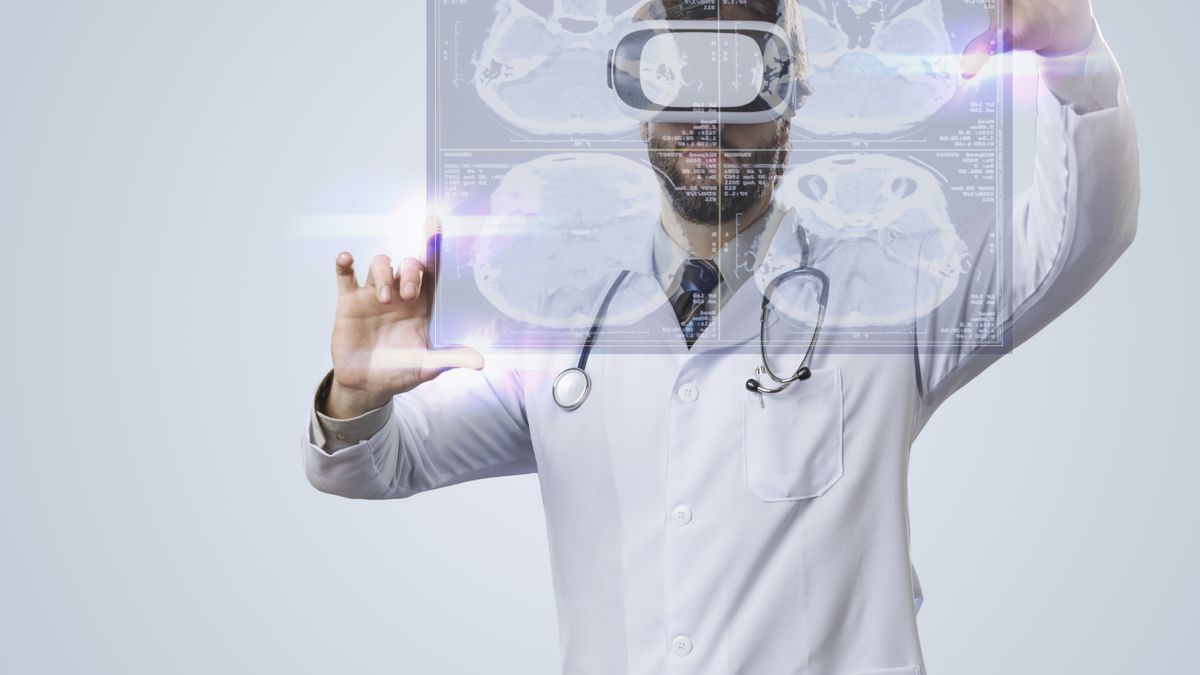


YOGYAKARTA - AI technology in the field of health diagnostics and medical imaging has changed the way we diagnose and deal with various diseases. With its ability to process large amounts of medical data at high speed and accuracy, AI provides important support to medical personnel to make more accurate clinical decisions. Below, we will review the seven leading AI technologies currently implemented in the medical world.
The application of AI technology in health diagnosis and medical imaging has significantly changed the method of detection and disease treatment. With its ability to analyze data in large volumes with extraordinary speed and accuracy, AI makes it easier for medical personnel to make more precise and efficient decisions. Here are the seven leading AI solutions currently used in this sector.
Launching from the site The Economic Times, qXR is an AI-based tool designed to analyze chest X-rays. This tool is capable of detecting various lung conditions such as tuberculosis, COVID-19, and pneumonia with high accuracy. qXR has obtained CE certification and is approved by the FDA, and is supported by the World Health Organization (WHO) for triage tuberculosis.
DeepMind AI for Radiography uses deep learning to automatically detect and segment anatomical structures in the chest X-ray image. This technology supports diagnosis and research by increasing the speed and accuracy of medical image analysis.
Philips SmartSpeed is an AI-based tool that increases the speed and quality of MRI imaging. With this technology, MRI results can be obtained faster without reducing image quality, allowing more efficient diagnosis.
Aidoc is an advanced AI platform in radiology that helps radiologically filter findings, prioritizes cases, and activates maintenance teams. The platform is designed to improve the efficiency and accuracy of diagnosis, as well as facilitate patient follow-up.
IBM Watson for Oncology is a cognitive computing platform that helps oncologists in providing personalized treatment options for cancer patients. The platform analyzes patient medical records, research literature, and clinical guidelines for generating proof-based treatment recommendations.
MAI-DxO is an AI-based tool designed to mimic the iterative diagnostic process of clinicaly. In a study analyzing 300 complex medical cases, MAI-DxO successfully diagnosed 85% of cases correctly, compared to just 20% by general practitioners. The tool also achieves a diagnosis at a 20% lower average cost by ordering fewer but more relevant tests.
DeepView Total is an AI-based technology used to analyze brain biomarkers in medical imaging. This technology helps in early detection of neurological diseases such as Alzheimer's and other brain disorders by analyzing patterns in brain images.
Integration of AI technology in health diagnostics and medical imaging has had a significant impact in improving accuracy, efficiency, and accessibility of health services. AI tools such as qXR, DeepMind AI for Radiography, Philips SmartSpeed, Aidoc, IBM Watson for Oncology, MAI-DxO, and DeepViewmen show how AI can support medical personnel in providing better and faster treatment.
With this technology continuing to develop, the medical future looks even brighter with the potential to save more lives and improve the patient's quality of life. Who would have thought that Fujifilm would present AI Technology to the Health Industry
So after knowing AI technology in health diagnostics and medical imaging, see other interesting news on VOI.ID, it's time to revolutionize news!
The English, Chinese, Japanese, Arabic, and French versions are automatically generated by the AI. So there may still be inaccuracies in translating, please always see Indonesian as our main language. (system supported by DigitalSiber.id)
Most Popular Tags
#Prabowo Subianto #donald trump #Febrie Adriansyah #8791 #giias 2026Popular


