



JAKARTA - Elon Musk and Jeff Bezos' ambitions are back in class. If previously the two of them competed in rockets and satellite internet, now the new battlefield is an artificial intelligence data center in space.
According to a report by The Wall Street Journal, the two tech billionaires are racing to shift the explosion of the data center industry whose value is expected to penetrate trillions of dollars from Earth full of limitations towards orbits that offer energy and space indefinitely.
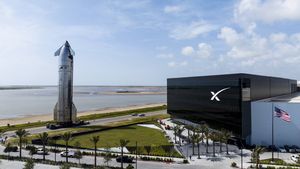
This concept goes beyond the traditional function of communication satellites. Bezos' Blue Origin is said to have been developing orbital AI data center technology for a year, while Musk's SpaceX plans to embed AI computing payloads into the latest version of the Starlink constellation. This feature even becomes the main selling point in SpaceX's share sales plan that could make its valuation touch 800 billion US dollars.
SEE ALSO:
-
 | TEKNOLOGI
Gim Petualangan 3D Big Hops akan Dirilis untuk PC dan Konsol pada 12 Januari
11 Desember 2025, 18:35 -
 | TEKNOLOGI
Makan Korban Lagi, Starbase Milik SpaceX Diselidiki Badan Keselamatan Kerja AS
11 Desember 2025, 18:05 -
 | TEKNOLOGI
Komdigi Fokuskan Layanan Internet Gratis untuk Daerah Terisolasi Banjir
11 Desember 2025, 17:05 -
 | TEKNOLOGI
YouTube Luncurkan Paket Langganan YouTube TV Baru, Kasih Lebih Banyak Genre
11 Desember 2025, 16:31
The main boost is the energy hunger of large-scale AI models. Orbit offers a relentless exposure to solar energy and eliminates the problem of cooling and the use of land that haunts data centers on Earth. But the technology is not without obstacles. The challenges include heat disposal in vacuum, sensitive electronic protection from radiation, to ensuring launch costs remain economical.
This euphoria against orbital infrastructure is already felt in the stock market. A number of public space companies were also boosted.
Rocket Lab USA Inc. strengthened more than 8 percent thanks to its position as a launch provider that has the potential to get many missions to deploy AI-capable satellites.
AST Spacemobile Inc. is up more than 5 percent. Despite focusing on satellite-to-cellphone communications, the size of the large satellite and its manufacturing capabilities make this company considered relevant in space infrastructure projects. There was also previous speculation about the deepening of cooperation with Blue Origin.
Redwire Corp actually weakened by about 1 percent. This in-orbit component and manufacturing provider company remains important in the long-term vision, although the small decline reflects the complexity and high cost of this kind of technology.
The competition to build clouds in orbit is becoming increasingly real, although the technology is still years of full implementation. However, the commitment of the two most influential figures in the space industry can channel large capital into supply chains capable of providing launch, components, and infrastructure for future interstellar computing.
The English, Chinese, Japanese, Arabic, and French versions are automatically generated by the AI. So there may still be inaccuracies in translating, please always see Indonesian as our main language. (system supported by DigitalSiber.id)
Most Popular Tags
#Prabowo Subianto #donald trump #firearm #8791 #giias 2026Popular


