


JAKARTA The National Research and Innovation Agency (BRIN) encourages the use of Global Navigation Satellite Systems (GNSS) technology. According to the institution, this technology can mitigate natural disasters.
As an archipelagic country, Indonesia is indeed vulnerable to natural disasters. Geographically, Indonesia is located between three large tectonic plates so that it is not safe from the threat of earthquakes, tsunamis, and volcanic eruptions.
With this magnitude of risk, BRIN considers that the presence of the GNSS application is very important in supporting disaster safety and handling in the country. This technology plays an important role in mapping, surveying, and emergency communication systems when an incident occurs.
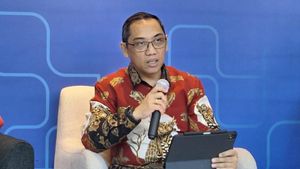
This was conveyed by the Head of BRIN, Arif Satria, when opening the Workshop Application of GNSS, an event held with the United Nations Office for Outer Space Affairs (UNOOSA). He said that the GNSS application was integrated into national development priorities.
"GNSS supports transportation, surveys, mining, disaster mitigation, safety, and communication systems," said Arif. However, there are a number of challenges that still need to be overcome, such as limited access to infrastructure."
SEE ALSO:
-
 | TEKNOLOGI
Ponsel AI Makin Murah, Counterpoint Prediksi Harga Mulai Rp1,6 Juta di 2028
18 November 2025, 11:31 -
 | TEKNOLOGI
Komdigi Surati 25 PSE yang Belum Daftar di Indonesia, Ada OpenAI hingga Duolingo
18 November 2025, 10:33 -
 | TEKNOLOGI
Facebook Luncurkan Fitur Perlindungan Konten, Deteksi Repost Konten Tanpa Izin
18 November 2025, 08:33

In line with this statement, the Executive Director of the INASA Secretariat, Erna Sri Adiningsih, revealed the role of GNSS in supporting the achievement of the Sustainable Development Goals (SDGs). This role can be seen from the various satellite images used.
"This role can be seen from various satellite maps and images, ranging from information about forest fires, land cover, disaster mitigation .... Satellite technology is an important foundation for environmental management and data-based decision-making," Erna explained.
Erna added that another challenge that must be overcome together is the issue of compatibility between the global GNSS system and limited land infrastructure. To overcome all of this, a strong ecosystem is needed, including reliable and modern satellite operations.
The English, Chinese, Japanese, Arabic, and French versions are automatically generated by the AI. So there may still be inaccuracies in translating, please always see Indonesian as our main language. (system supported by DigitalSiber.id)
Most Popular Tags
#Prabowo Subianto #donald trump #Febrie Adriansyah #8791 #giias 2026Popular


