
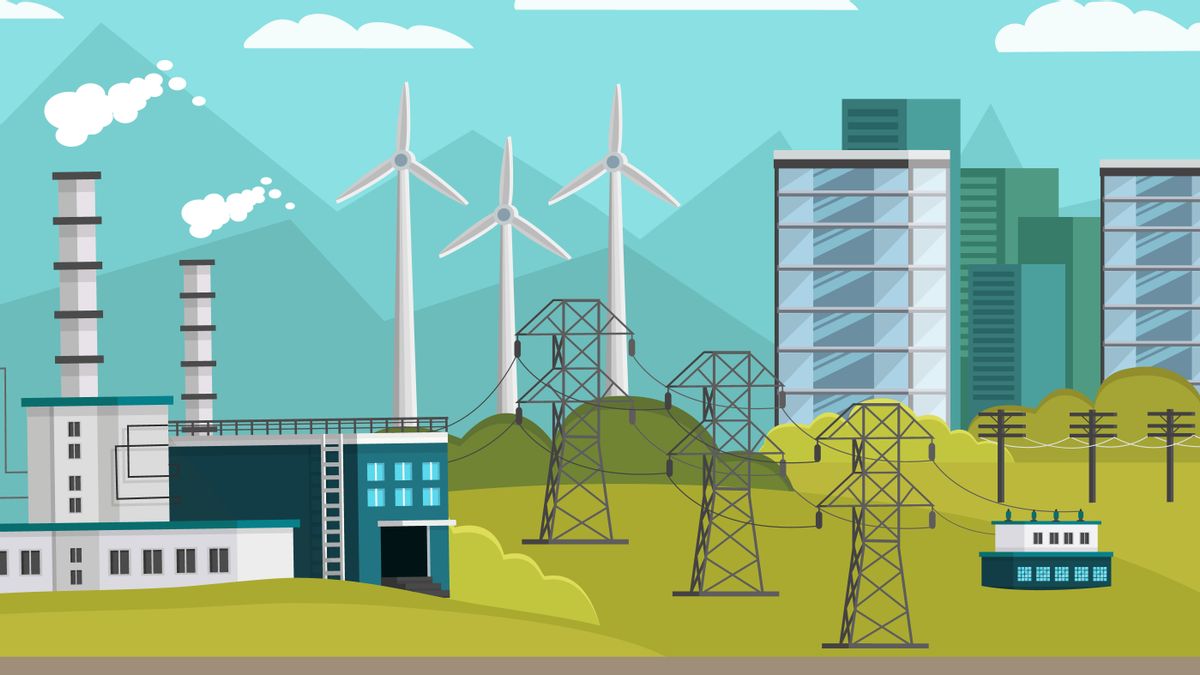


YOGYAKARTA - Many people are curious about what the function of generators in power plants is. Generators themselves play an important role in converting mechanical energy into electrical energy that we use everyday.
Without generators, electricity will not be channeled to homes, offices, and industries. By understanding how it works and its functions, we can better appreciate the big role of generators in modern life.
Reporting from the CS Diesel Generators page, generators are a tool that utilizes mechanical energy from external sources to generate electricity. There are many energy sources used to power generators, and generally categorized as two, namely renewable energy and renewable energy.
To meet the increasing demand for electricity, power plants must operate non-stop. Many plants use diesel generators to support facilities powered by nuclear, natural gas, coal, water, or other energy sources.
SEE ALSO:
-
 | TEKNOLOGI
Live Translation Kini Bisa Dipakai di AirPods 4 dan AirPods Pro 2
10 September 2025, 10:05 -
 | TEKNOLOGI
Hacktiv8 Gandeng Meta dan Komdigi dalam Kembangkan Talenta AI Indonesia
10 September 2025, 11:35 -
 | TEKNOLOGI
Bocoran Samsung Galaxy S26 Ultra Ungkap Kamera yang Makin Menonjol
10 September 2025, 12:05
This generator ensures the smooth operation of daily operations at the generator, as well as functions as a power reserve during the blackout, so that the generator continues to run and the safety of the workers is maintained.
Also Read the articles that have been discussed, Not Many Know, These Are The Characteristics Of Crude Water Ice That You Need To Be Aware Of
Generators generally take advantage of the electromagnets produced by fast-rotating turbines to generate large amounts of electric power. In general, power generation generators are divided into two types, namely those that use renewable energy and that use renewable energy.
The majority of power plants still rely on fossil fuels such as oil, natural gas, or coal to produce electricity. However, some use hydropower, nuclear, and other alternative energy sources. This type of main energy then determines the type of power plant.
Not all electric generators use turbines to generate electricity. Some of the types commonly used are photovoltaic solar panels (PV) and internal combustion engines. Reporting from the US page Energy Information Administration, here are some of them:
PV solar cells turn direct sunlight into electricity. The scale of use varies, ranging from small devices such as watches to large panels for homes and power plants.
Currently, PLTS is one of the fastest growing electricity sources in the world. In the United States, PV power plants account for about 3% of large-scale electricity production in 2022.
Diesel machines and the like are widely used to generate electricity, especially in remote areas such as villages in Alaska. This machine is also commonly used as a portable resource in construction sites as well as emergency electricity for buildings and power plants.
Diesel generators can use various fuels, ranging from diesel, liquid biomass fuel, biogas, natural gas, to propane. Small versions of gasoline or gas are widely used by field workers and households when electricity goes out.
Other types include fuel cells, Stirling machines (for example on parabolic solar plants), and thermoelectric generators.
In addition to generators, there are also energy storage systems such as back pump hydroelectric plants (pumped storage), compressed air storage, electrochemical batteries, and flywheels.
This system stores electricity and then releases it again, but the resulting power is always smaller than the power used for charging. Therefore, in the official EIA report, the storage system contribution is calculated negatively to avoid double calculations.
In addition to discussing what the function of generators in power plants is, follow other interesting articles on VOI, to get updated news, don't forget to follow and monitor all of our social media accounts!
The English, Chinese, Japanese, Arabic, and French versions are automatically generated by the AI. So there may still be inaccuracies in translating, please always see Indonesian as our main language. (system supported by DigitalSiber.id)
Most Popular Tags
#Prabowo Subianto #donald trump #2026 World Cup #Febrie Adriansyah #8791Popular


