


JAKARTA - France, Spain, Italy, Denmark, and Greece will test a model of age verification applications to protect children in the online world. This was said by the European Commission on Monday, July 14, amid growing global concerns about the impact of social media on children's mental health.
This age verification application is built based on the same technical specifications as the European Digital Identity Wallet which will be launched in 2026. The five countries can customize this model according to their needs, integrate it into a national application or make it a separate application.
The European Commission also issued guidelines for online platforms to take steps to protect minors as part of compliance with the EU's Digital Services Act (DSA).
This important law, which took effect last year, requires companies such as Alphabet's Google, Meta Platforms, ByteDance's TikTok, and other online companies to do more in dealing with illegal and harmful online content.
Platforms such as Elon Musk's X, Meta's TikTok, Facebook and Instagram, as well as several adult content websites are being investigated by EU regulators regarding their compliance with DSA.
SEE ALSO:
-
 | TEKNOLOGI
Jadi Juara FFNS 2025 Fall, Kagendra Siap Berlaga di FFWS SEA 2025 Fall
14 Juli 2025, 21:05 -
 | TEKNOLOGI
Perlu Diganti, Ini Aplikasi Jadul Windows yang Harus Anda Tinggalkan
14 Juli 2025, 20:35 -
 | TEKNOLOGI
Teknologi AI untuk Membuat Logo, Apa Saja? Simak Pembahasannya di Sini!
14 Juli 2025, 20:05


European Union regulators have stated that these new guidelines will help online platforms deal with designs that cause addiction, cyberbullying, harmful content, and unwanted contacts from strangers.
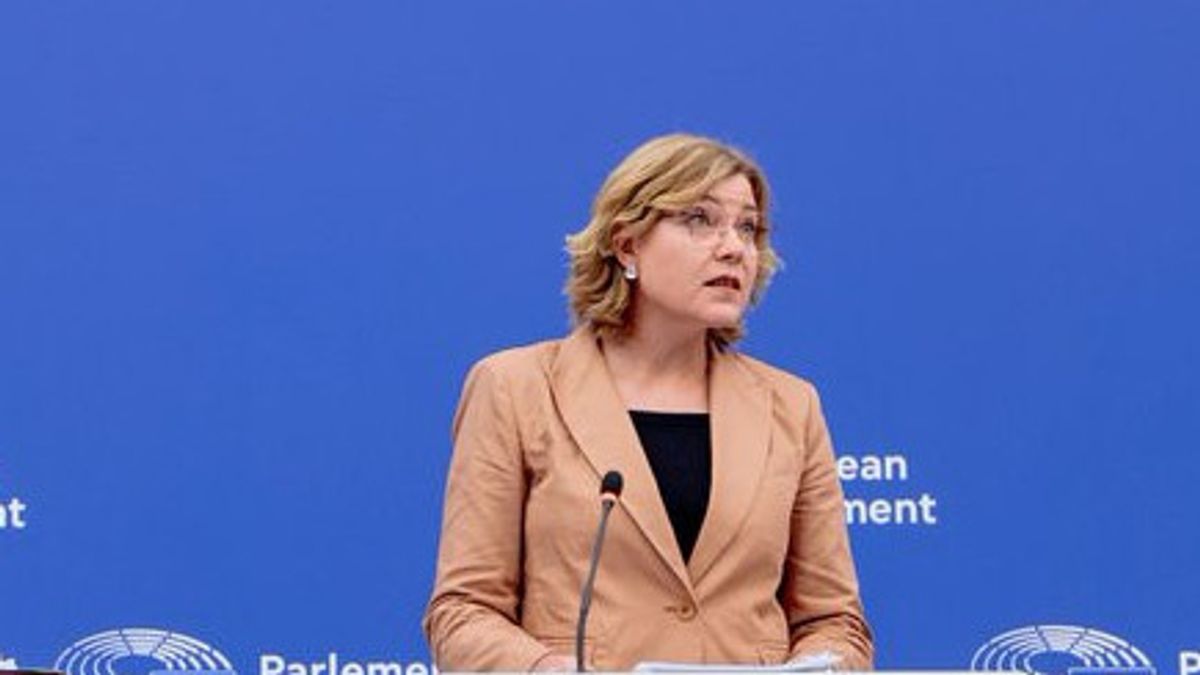
"The platform has no reason to continue the practice that harms children," said EU technology chief Henna Vikkunen, quoted by VOI from Reuters.
The impact of social media on children's mental health has become a global concern. Dozens of states in the United States are suing Meta, while Australia in 2024 has banned social media for children under the age of 16.
The English, Chinese, Japanese, Arabic, and French versions are automatically generated by the AI. So there may still be inaccuracies in translating, please always see Indonesian as our main language. (system supported by DigitalSiber.id)


