

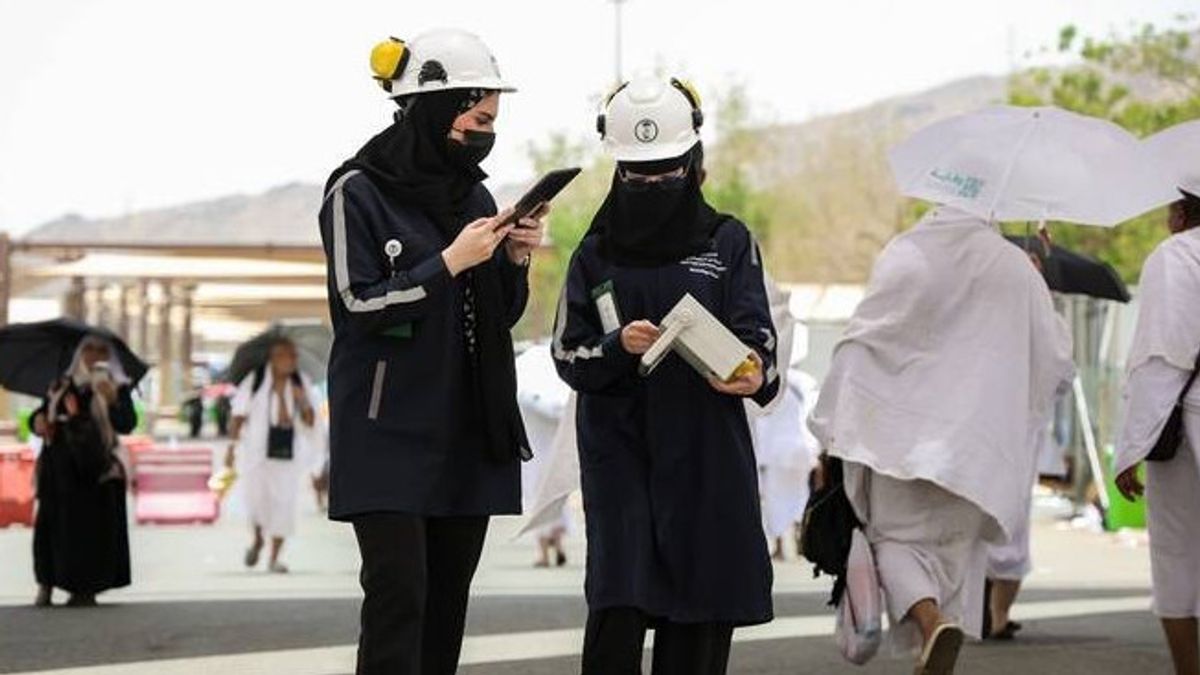


Saudi Arabia has increased environmental surveillance during the hajj season by using satellite imagery and artificial intelligence or AI. Inspections of activities that risk polluting the environment have increased by 145 percent compared to the previous season.
Quoted from Arab News, Sunday, May 31, the Saudi Arabian National Center for Environmental Compliance conducted more than 1,800 inspections during the Hajj season. As a result, about 250 cases of non-compliance were found.
The center's CEO, Ali Al-Ghamdi, said this year's monitoring used more than 200 satellite images. The data was analyzed with the help of AI and a team of specialists to reach a wider area around the Grand Mosque, the Prophet's Mosque, and holy sites.
According to Al-Ghamdi, more than 100 environmental reports were followed up. Half of them were detected via satellite imagery. This way, the inspection team can move more accurately.
The center is also expanding laboratory testing. More than 2,300 sample tests were conducted in the two holy cities.
Of the approximately 250 cases of non-compliance, 95 percent are related to organizational and administrative affairs. Technical violations of the environment that have a major impact are no more than 5 percent.
The Saudi authorities then took regulatory steps with relevant agencies to address environmental impacts and restore the affected locations.
Air quality monitoring is also tightened. Nine monitoring stations operate around the congregation gathering area.
For the first time, Saudi Arabia implemented a 24-hour pollution forecasting program. This program helps officers recognize the source of emissions faster before pollution worsens.
Noise monitoring is also being expanded in Makkah and the holy sites. Six fixed stations are in operation, plus portable devices carried by inspectors daily.
The tool is used to measure noise between tents, holy places, roads, and tunnels leading to the Grand Mosque.
According to the center, there were no measurement results that exceeded the limit during the Hajj season.
Waste management is also a concern. Al-Ghamdi said the center monitored the disposal of solid and liquid waste from the slaughter of sacrificial animals at slaughterhouses in Mecca, holy sites, and Medina.
Still according to Arab News, Saudi Arabia will continue to use satellite imagery to monitor the identified locations. After pilgrims leave the Hajj area, more than 1,800 soil and water analyses will be carried out.
This supervision shows the magnitude of environmental work behind the organization of the hajj. In addition to regulating the movement of millions of pilgrims, Saudi authorities must also ensure that air, waste, noise, soil, and water are monitored during the season of worship.
The English, Chinese, Japanese, Arabic, and French versions are automatically generated by the AI. So there may still be inaccuracies in translating, please always see Indonesian as our main language. (system supported by DigitalSiber.id)
Most Popular Tags
#Prabowo Subianto #donald trump #firearm #8791 #giias 2026Popular


