



JAKARTA - The Al-Ukhdood site in Najran bears the traces of a long southern Arabia. This place used to be a trading center on the incense route since the middle of the 1st century BC.
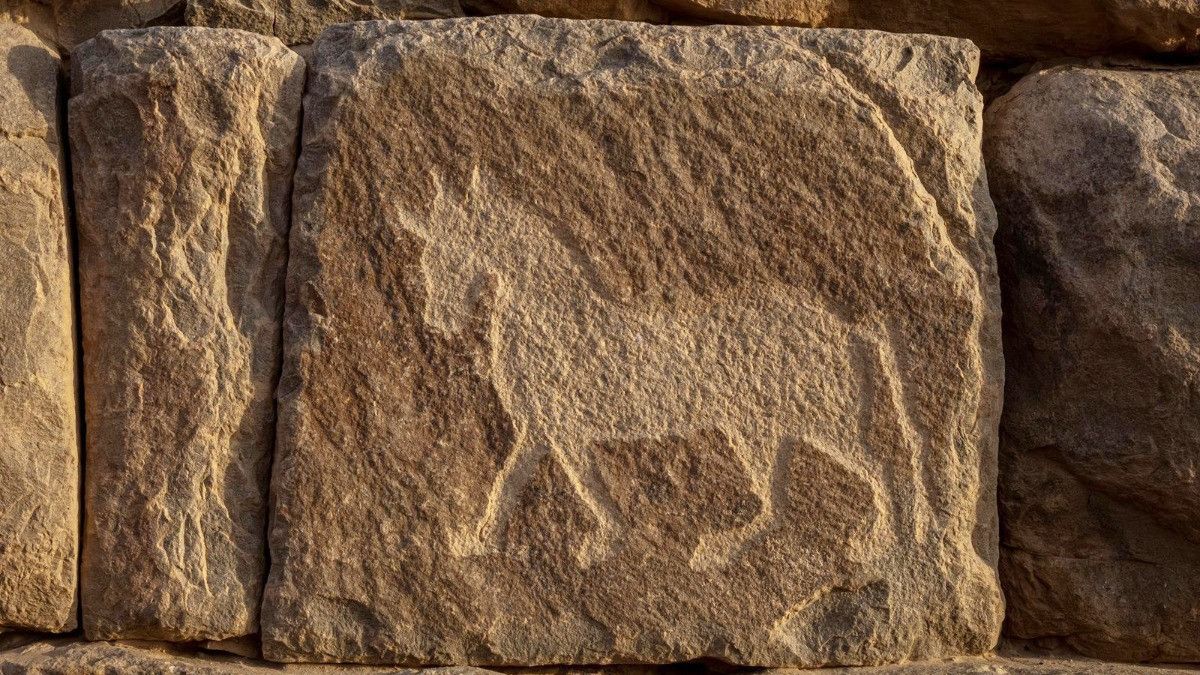
In an Arab News report on Friday, April 24, citing the Saudi Press Agency, it was stated that Al-Ukhdood had a main city surrounded by a wall 235 meters long and 220 meters wide. The foundation of the building was made of carved stone, while the top was made of mud bricks.
Excavations that began in 1979 have uncovered many important findings. Among them are ancient building units, the oldest mosque in Najran, and the "Najran Treasure".
The treasure contained silver coins and other artifacts, such as pottery, incense burners, and religious plaques.
Historical records say Najran has been known at least since 680 BC. The latest findings also show that the area has been inhabited since prehistoric times.
The findings strengthen Najran's position as one of the important trade and cultural centers in southern Arabia in ancient times.
Now, the history is introduced through the Al-Ukhdood Visitor Center which was built by the Heritage Commission. The indoor area reaches 300 square meters, while the outdoor area is 3,400 square meters.
The center showcases the history of Najran and Al-Ukhdood through interactive exhibits and educational programs.
In 2025, the Al-Ukhdood Visitor Center attracted more than 17,000 visitors, including international tourists. This number shows that this ancient site is increasingly seen as a space for learning history, not just a tourist location.
The English, Chinese, Japanese, Arabic, and French versions are automatically generated by the AI. So there may still be inaccuracies in translating, please always see Indonesian as our main language. (system supported by DigitalSiber.id)
Most Popular Tags
#Prabowo Subianto #donald trump #firearm #8791 #giias 2026Popular


