



MANOKWARI - The West Papua Provincial Government has confirmed that the release of forest areas for the expansion of oil palm plantations in the province must obtain the approval of the indigenous people who own ulayat rights.
Head of the West Papua Forestry Service Jimmy Walter Susanto said the aspirations of indigenous people were the main priority in policy-making related to the release of forest areas.
"West Papua already has SOP (standard operating procedures). Every plan to release forest areas, must attach a letter of approval from the indigenous people," said Jimmy, quoted by Antara Monday, January 5.
The provincial government, he said, places the role of indigenous people as the main subject in every decision-making process related to the use of forest areas throughout West Papua.
The policy is intended to prevent potential social conflicts while ensuring that investment development plans run in accordance with the principles of protecting the rights of indigenous people and forest sustainability.
"If the indigenous people do not agree, the governor will not issue a recommendation and we will not issue technical considerations. This applies to all permits in the forestry sector," said Jimmy.
Since 2019, he said, the West Papua Provincial Government has not issued permits for oil palm plantations as an effort to reduce greenhouse gas emissions while supporting the Indonesia's Forestry and Other Land Use (FOLU) Net Sink 2030 program.
There are seven priority programs for the absorption of carbon biomass in the forestry sector listed in the FOLU Net Sink 2030 document, including strategies for reducing deforestation and forest degradation, as well as sustainable forest management.
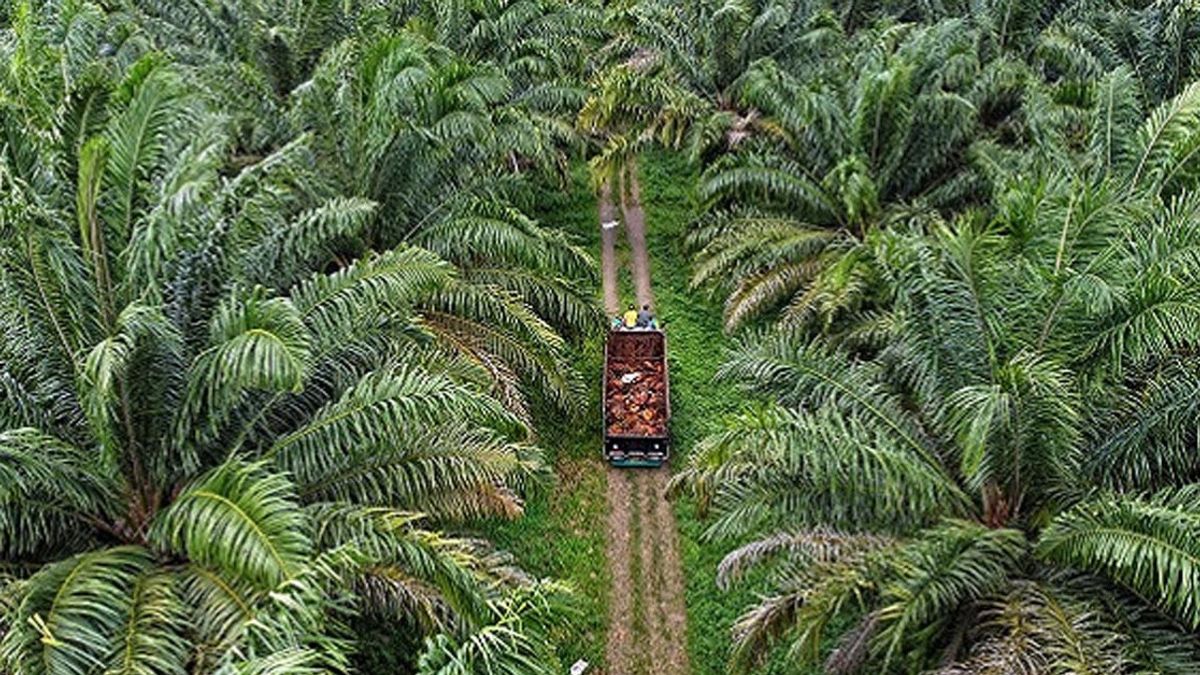
"West Papua's oil palm plantations are old oil palm plantations. There is no new permit for the opening of oil palm land. West Papua's oil palm plantations are spread across Manokwari, Teluk Bintuni, and Fakfak," said Jimmy.
Previously, the Chairman of Committee III of the Indonesian Republic DPD Filep Wamafma said the government needed to conduct a thorough study before realizing the plan to expand the oil palm plantation in Papua.
The comprehensive study conducted by the government must accommodate all aspects, whether it is environmental, social, cultural aspects, as well as aspects of the sustainability of the lives of local indigenous people.
"Papuan indigenous people see the forest as a mother, a place of refuge, and a place to give life," said File.
According to him, Papua has sensitive ecological characteristics so that every policy for the development of natural resource-based investment should not ignore the rights of indigenous people.
The government should pay attention to the impact of investments in the forestry sector so as not to cause natural disasters as happened in Aceh, North Sumatra and West Sumatra.
"Maybe President Prabowo got incomplete references from the expert team about the plan to add oil palm plantations in Papua," said Filep.
The English, Chinese, Japanese, Arabic, and French versions are automatically generated by the AI. So there may still be inaccuracies in translating, please always see Indonesian as our main language. (system supported by DigitalSiber.id)
Most Popular Tags
#Prabowo Subianto #donald trump #firearm #8791 #giias 2026Popular


