
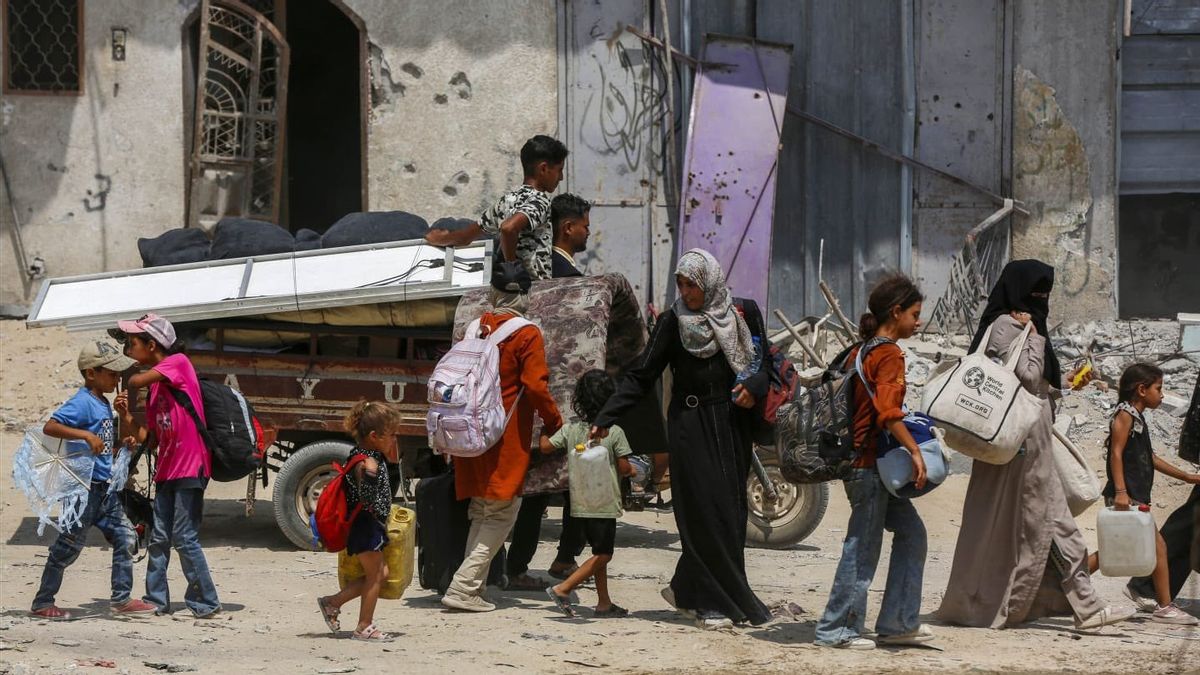


JAKARTA - The number of babies in the Gaza Strip, Palestine born with low weight increased in the first half of 2025, although the number of births was less, about 10 percent of all births or about 300 babies per month, marking a marked increase in maternal and infant malnutrition, UNICEF said on Tuesday.
UNICEF Communications Manager Tess Ingram told reporters in Geneva the trend reflects a broader pattern of "mothers who are malnourished, giving birth to babies with low or premature weight, who died in Gaza's neonatal intensive care unit or survive, only to face their own malnutrition or the potential for life's medical complications."
Prior to the war, an average of 250 babies per month, 5 percent, were born with low weight in 2022, according to the local Ministry of Health.
But the situation worsened dramatically. In July-September this year, said Ingram, the birth of a low-weight baby jumped to around "460 babies per month, or 15 babies per day, almost double the average before the war," quoted from Anadolu (10/12).
Hospitals have difficulty treating these babies amid destroyed infrastructure, displaced staff, and hampered medical supplies.
Ingram said the data showed "the number of infants who died on the first day of their lives increased by 75 percent from an average of 27 babies per month in 2022 to 47 babies per month between July and September 2025."
Between July and September, about 38 percent of pregnant women examined were diagnosed with acute malnutrition, he stressed. UNICEF received 8,300 pregnant and lactating women for treatment only in October.
SEE ALSO:
-
 | BERITA
PBB Peringatkan Kekerasan Daring Terhadap Perempuan Meningkat Tajam
10 Desember 2025, 16:15 -
 | BERITA
Presiden Trump akan Bahas Rencana Gencatan Senjata Gaza dengan Netanyahu Akhir Bulan Ini
10 Desember 2025, 14:00


"This domino effect from mother to child should be preventable," said Ingram, stressing most of the suffering "can be prevented, if international humanitarian law is respected."
"We are making all our efforts to support families. However, to increase the response, more assistance must enter the Gaza Strip, especially assistance that strengthens the health of pregnant and lactating women and complements hospitals with everything they need to save lives," said Ingram.
The English, Chinese, Japanese, Arabic, and French versions are automatically generated by the AI. So there may still be inaccuracies in translating, please always see Indonesian as our main language. (system supported by DigitalSiber.id)
Popular


