



YOGYAKARTA - The Kingdom of Kediri, which was founded in the 11th to 13th centuries AD, is one of the major kingdoms that once controlled East Java. This kingdom has a very important role in the history of Indonesia, especially in the development of culture and religion.
One of the largest heritages of the Kediri Kingdom is the legacy of the Kediri kingdom which until now can still be found on various historical sites. These remains provide an interesting picture of the glory, social life, and culture of that time. The following are some of the royal heritages of Kediri that are interesting to study.
One of the most famous relics of the Kediri kingdom is the Penataran Temple, which is located in Penataran District, Blitar Regency, East Java. This temple is the largest Hindu temple in East Java and is a silent witness to the glory of the Kingdom of Kediri. The Candi Penataran was built during the reign of King Srengga and is equipped with reliefs that illustrate stories from Hindu books such as Ramayana and Mahabharata.
This temple consists of several graded buildings and is surrounded by a large yard. In addition, in the temple complex there are a number of statues of Hindu gods used in religious ceremonies. Penataran Temple became a place of worship and a center for religious activities during the reign of the Kingdom of Kediri, and is now one of the popular historical tourist destinations.
The Rantang inscription is one of the relics of the Kediri kingdom which was found in the Rantang area, Blitar Regency. This inscription is thought to have originated during the reign of King Kameswara, who ruled in the 12th century. The contents of this inscription provide important information about the structure of government and various policies implemented at that time.
The HDtang inscription lists the importance of agriculture, which is one of the main livelihoods of the people of Kediri. In addition, this inscription also records the taxes and contributions given by the people to the kingdom. The Hattang inscription provides deeper insight into social and economic life during the reign of the Kediri kingdom.
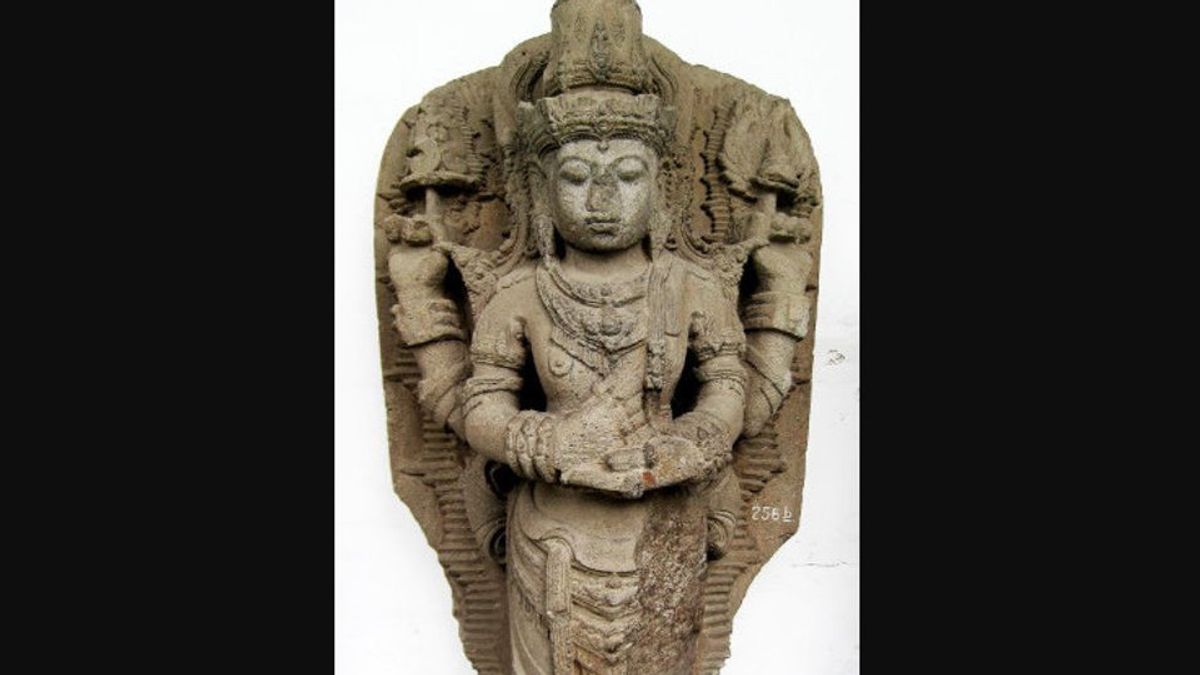
Arca Dewa Siwa which was found in several locations in East Java, including in the Penataran Temple area, is a relic of the Kediri kingdom that shows the influence of Hinduism which is strong in this kingdom. Dewa Siwa is one of the main gods in Hinduism, which is identified as the creator and destroyer of the universe.
The statues of Dewa Siwa are usually found in the form of magnificent statues and are often placed in temples or places of worship. The legacy in the form of Dewa Siwa statues shows the importance of Hinduism in the life of the people of Kediri, as well as the central role of Hindu gods in their culture and beliefs.
Dadi Temple is a relic of the Kediri kingdom located in Dadi Village, Plosoclaten District, Kediri Regency. This temple is smaller when compared to the Penataran Temple, but still has high historical value. Dadi Temple is thought to have been built during the reign of King Jayabaya, one of the famous kings in the Kingdom of Kediri who is known for his legendary predictions.
Dadi Temple has a simple but elegant design, with a sturdy rock structure. Although this temple is not as big as the Penataran Temple, its existence still provides evidence that at that time, the Kingdom of Kediri had many centers of worship spread throughout the kingdom.
Apart from physical relics, the relics of the Kediri kingdom can also be found in writing, one of which is the Pararaton Book. This book is a literary manuscript that contains the history and stories of the Kingdom of Kediri and its kings, including stories about the King of Jayabaya. The Pararaton Book is one of the main sources for understanding the history of the Kingdom of Kediri, although most of its contents are more legendary than verifiable historical facts.
This book is written in ancient Javanese and tells about the struggles and journeys of the kings in defending the kingdom, as well as the famous predictions of the King of Jayabaya. The Pararaton Book provides insight into the system of government, culture, and public views during the Kingdom of Kediri. Also read: Findings of the Last King's Site of the Kingdom of Kediri in Plosoklaten
SEE ALSO:
-
 | BERITA
KPK Tetapkan 3 Tersangka Baru Dugaan Pemerasan Pengurusan Sertifikasi K3
11 Desember 2025, 16:51 -
 | TEKNOLOGI
Menkomdigi Sebut Pemulihan Layanan Telekomunikasi Aceh Masih 40 Persen
11 Desember 2025, 20:05
The legacy of the Kediri kingdom provides a very important picture of the glory and culture that existed during this kingdom. From the magnificent Candi of Penataran to the inscriptions and statues of Hindu gods, all of these relics reveal how religion, art, and social life play a very important role in the lives of the people of Kediri. Studying these relics not only connects us with history, but also provides an understanding of cultural heritage that should be preserved for future generations.
So after knowing the legacy of the Kediri kingdom, see other interesting news on VOI.ID, it's time to revolutionize news!
The English, Chinese, Japanese, Arabic, and French versions are automatically generated by the AI. So there may still be inaccuracies in translating, please always see Indonesian as our main language. (system supported by DigitalSiber.id)


