
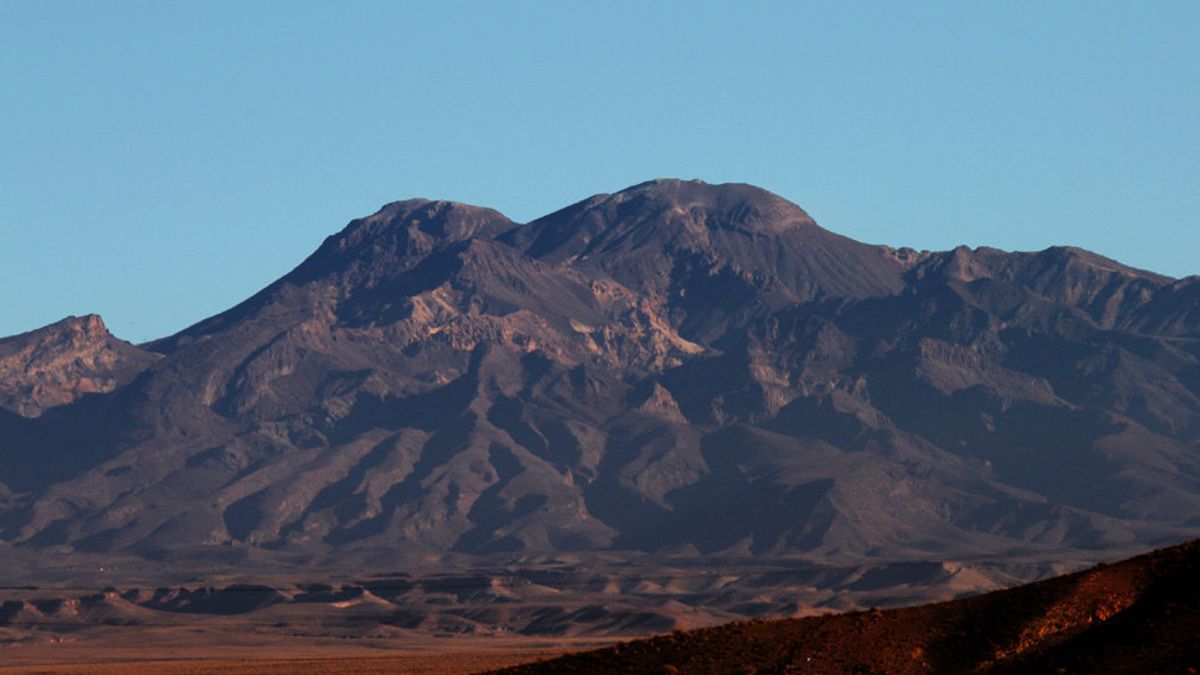


JAKARTA Scientists warn that the Taftan Volcano in eastern Iran, which has been "sleeping" for 700,000 years, shows significant signs of increased activity and could soon erupt.
According to a new study published in the Geophysical Research Letters, signs of measurable anxiety in the volcano as high as 13,000 feet (about 3,962 meters). This warning comes although Taftan has no record of major eruptions in the very long geological period.
Quoted from ABC News, Saturday. October 25, the study found a rapid upturn in the ground (uplift) near the peak of Taftan between July 2023 and May 2024. The researchers concluded that this anxiety was not triggered by rainfall or earthquakes, but by internal factors.
Researchers argue that the movement of magma beneath the surface or changes in gas permeability in the shallow part of the volcano is likely to cause a buildup of hydrothermal pressure. The combination of these factors suggests that explosive eruptions are likely to occur soon.
"Our findings suggest that Taftan is more active than previously recognized," the research authors wrote.
SEE ALSO:
-
 | BERITA
Puncak Musim Nyamuk, Kematian Pertama Virus West Nile Dikonfirmasi di L.A. County
25 Oktober 2025, 09:03 -
 | BERITA
Menhut: Sinergi dengan Polri Turunkan Luas Kebakaran Hutan Tahun Ini
25 Oktober 2025, 08:47 -
 | BERITA
Datang 3 November, TNI AU Kirim 22 Personel ke Spanyol Pelajari Pengoperasian A400M
25 Oktober 2025, 08:15
Although Taftan often emits sulfur gas (fumarolic activity), geological evidence shows the absence of major eruptions for 700,000 years. The Global Volcanism Program Badminton Institute recorded "uncertain eruptions" in January 1902 and April 1993.
The research also highlights the vulnerability of surveillance, given that Taftan is located in a remote location near the Afghan border. The volcano is currently not monitored intensively like any other volcano, and most of the data is obtained through the sensing of space-based satellites.
The findings emphasize the need to revise the risk of a volcano in the volcanic arc of a martangan subduction of about 442 kilometers along the Indian Ocean and urge the formation of a volcanic monitoring network in the region.
The English, Chinese, Japanese, Arabic, and French versions are automatically generated by the AI. So there may still be inaccuracies in translating, please always see Indonesian as our main language. (system supported by DigitalSiber.id)
Most Popular Tags
#Prabowo Subianto #donald trump #Febrie Adriansyah #8791 #giias 2026Popular


