


JAKARTA - A 4,000-year-old limestone painting stored in a tomb in Nekropolis Saqqara, Egypt, has disappeared, making it the second ancient Egyptian artifact reported to have been stolen in less than a month.
The painting, which originated in the Sixth Dynasty of the Old Kingdom, between 2700 BC and 2200 BC, is stored in the grave of Kahentika, an official from the era whose burial site was found in the 1950s.
This is the theft of the second ancient artifact in recent weeks after the 3,000-year-old gold bracelet from the Egyptian Museum in Cairo was stolen last month, melted and sold. The theft has raised concerns over the security of Egyptian archaeological treasure, which consists of thousands of thousands of years old objects.
The painting that went missing from Nekropolis Saqqara, the UNESCO World Heritage site in southern Cairo, is reportedly depicting an ancient Egyptian calendar. The painting divides the year into three seasons of agriculture floods (Akhet), planting (Proyat), and harvests (Shomu) reflecting the Nile cycle, which symbolizes the importance of the waterway for the ancient Egyptian people.
Secretary General of the Supreme Council of the Egyptian Antiquities, part of the Ministry of Tourism and Antiquities, Mohamed Ismail, confirmed the painting's disappearance, saying prosecutors had opened an investigation.
Ismail said the tomb had been closed since 2019, when it was last used to store artifacts.
A committee led by Saqqara's website director, Amr Al Tibi, was formed to audit the contents of the tomb and determine the cause of the theft, Ismail said.
"After receiving the committee's report, the matter was immediately referred to the public prosecutor for further investigation," he said in a statement.
The painting's disappearance was first reported by Egyptian media, with several media saying British archaeological missions working on the site found the artifact missing in May. Authorities have not provided details of when the theft might have occurred or how the theft was carried out.
The Cetensity Tomb is an important site in Saqqara and is known for its inscriptions, including a rare curse on its fas'ad warning anyone entering the divine penalty.
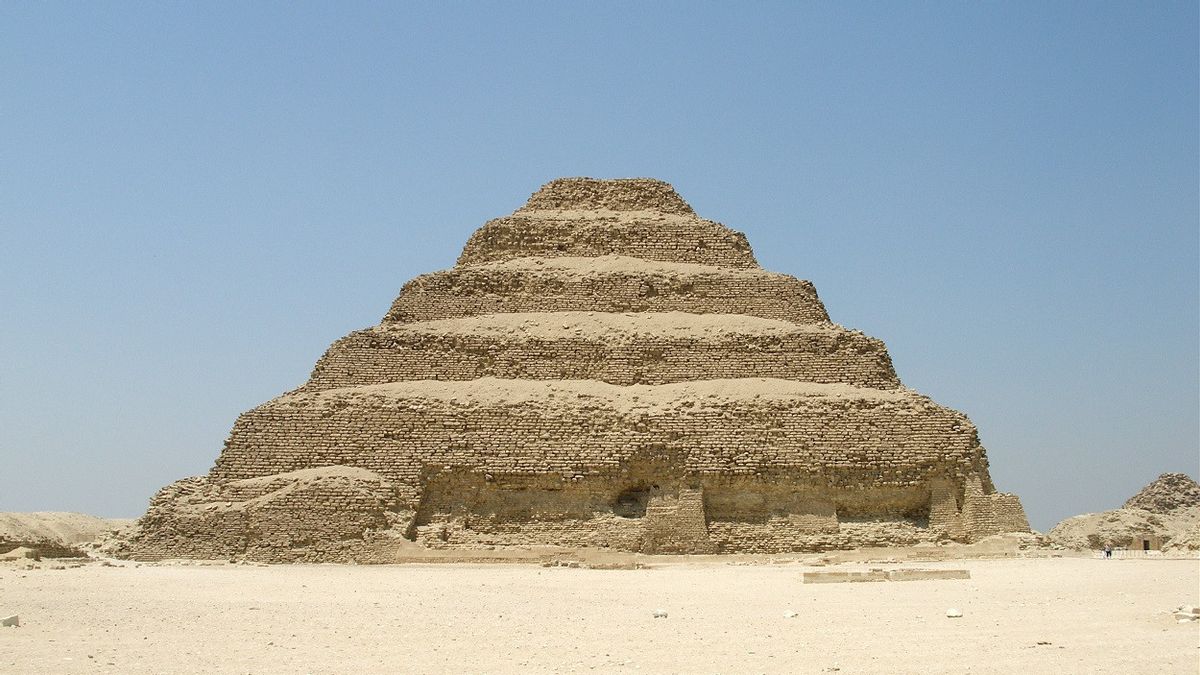
Saqqara, part of the ancient capital Memphis, holds some of Egypt's most important archaeological treasures, including the Djoser-level Pyramids and some of the smaller pyramids.
The Necropolis has become the center of attention of tourists and researchers, but the Ministry of Tourism and Antiquities is now facing intense scrutiny over the security of the treasure on the site.
The recent steps have been taken by Egyptian authorities to prevent smuggling. The missing photos of the painting are being circulated to all airports, seaports, and land border crossings in the country, the ministry said.
SEE ALSO:
-
 | BERITA
Angkatan Udara Inggris Hentikan Penerbangan Pesawat Mata-mata di Atas Gaza
18 Oktober 2025, 04:00 -
 | BERITA
PBB Bantah Tuduhan Spionase yang Dilontarkan Houthi, Desak Stafnya Dibebaskan
17 Oktober 2025, 21:15



Investigators are working to determine whether the theft is linked to the region's human trafficking network.
It is known, Egypt is preparing to open a new Egyptian Grand Museum at Giza, where many of the country's most valuable artifacts will be exhibited. However, the recent theft highlights the challenges in protecting the country's ancient heritage.
The theft of the bracelet last month led to the arrest of four suspects, including a museum employee. However, the bracelet, which is decorated with lazuli-layered gemstones and is associated with the ancient Egyptian businessman Ameneome, was melted after being sold at the Cairo jewelry market.
The English, Chinese, Japanese, Arabic, and French versions are automatically generated by the AI. So there may still be inaccuracies in translating, please always see Indonesian as our main language. (system supported by DigitalSiber.id)
Most Popular Tags
#Prabowo Subianto #donald trump #earthquake #independence day #8791 #hut riPopular


