

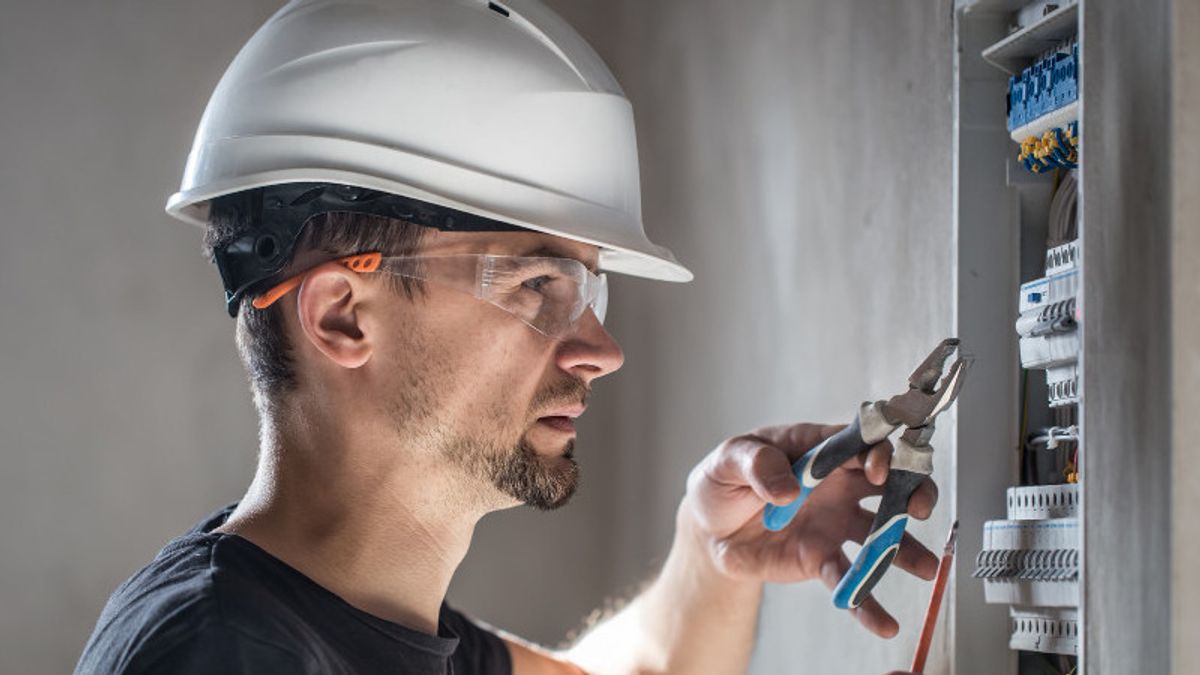


YOGYAKARTA - Understanding the electrical installation of PLN's standard homes is very important for homeowners to ensure a safe and efficient electrical system. The State Electricity Company (PLN) has set certain standards in installing electrical installations, including selection of appropriate cables, the electric capacity used, and the type of cable recommended. By following these standards, users can reduce the risk of electricity damage and improve home security.
PLN has determined the size of the cable suitable for household electrical installations to prevent interference or electrical problems that can harm users. Therefore, the home owner is advised to choose the cable with the right size according to the available electricity capacity. Here are some guides in selecting cables for the installation of home electricity:
Electricity Capacity Based On KWh
Each house has different electrical power capacities, and the selection of cables must be adjusted to the electricity capacity. The following are some of the standard electricity capacity of houses commonly used in Indonesia:
The greater the electric power capacity, the greater the electric current (ampere) flowing in the home installation system. Therefore, the selection of cables must be adjusted to the power capacity to avoid the risk of short circuits or excess electricity load.
Cable Selection For Home Electricity Installation
The following is the recommended cable size based on the electric capacity used:
1. Capacity 450 VA
Use a 1.5mm2 cable with a capacity of 17 Ampere.
2. 900 VA capacity
Just like the capacity of 450 VA, use 1.5mm2 cables with a capacity of 17 Ampere.
3. Capacity of 1300 VA
Use 1.5mm2 cable for a capacity of 1300 VA which is equivalent to 6 Ampere. However, if you want the cable to last longer and last longer, you can choose a cable with a size of 2.5mm2.
4. Capacity 2200 VA
It is highly recommended to use the 2.5mm2 cable so it is not too hot when used.
Types Of Cables Used In PLN Standard House Electricity Installation
In addition to the cable size, the type of cable used in the installation of home electricity must also be in accordance with the standards set by PLN. Here are some types of cables commonly used:
I. THE Cable
Cables with a single core coated with PVC. This cable is about 1.5mm2 in size and is generally used for lighting installations and sockets.
II. NYM cable
This cable consists of 1 to 4 cable cores coated with PVC. The NYM cable is more durable and safer than the NY cable, so it is suitable for the installation of household electricity.
III. NYY cable
This type of cable has a thicker protective layer and is suitable for electrical installations planted underground. Thick layers also make it more resistant to rat bites.
IV. NYAF Cable
This cable has a high level of flexibility, with copper delivery and PVC layers. Usually used for electrical systems that require higher flexibility.
V. NYFGBY cable
This cable is the best alternative for underground electrical installation. With the thickest protective layer, this cable has a high durability and is able to accommodate a larger electric capacity.
By understanding the electrical installation of PLN's standard homes, electric users can avoid various electrical risks that may arise due to errors in the selection of cables or inappropriate electrical power capacities. Using the right cable size according to the electrical capacity and choosing the type of cable that suits the installation environment will ensure that the installation of home electricity runs safely and efficiently.
SEE ALSO:
-
 | BERITA
Kepala Staf IDF Letjen Eyal Zamir Sebut Misi Melawan Hamas Belum Selesai
06 Maret 2025, 06:00 -
 | TEKNOLOGI
Trump Desak Penghapusan Subsidi Rp860 Triliun untuk Industri Semikonduktor
06 Maret 2025, 05:05

Therefore, for homeowners who want to install or repair electrical installations, it is highly recommended to always follow the standards set by PLN. Hopefully this information will be useful and can help in ensuring a safer and more reliable home electricity system.
In addition, you need to know Tips for Choosing Good Cables for Electricity Installation
So after knowing the electrical installation of PLN's standard house, see other interesting news on VOI.ID, it's time to revolutionize news!
The English, Chinese, Japanese, Arabic, and French versions are automatically generated by the AI. So there may still be inaccuracies in translating, please always see Indonesian as our main language. (system supported by DigitalSiber.id)


