

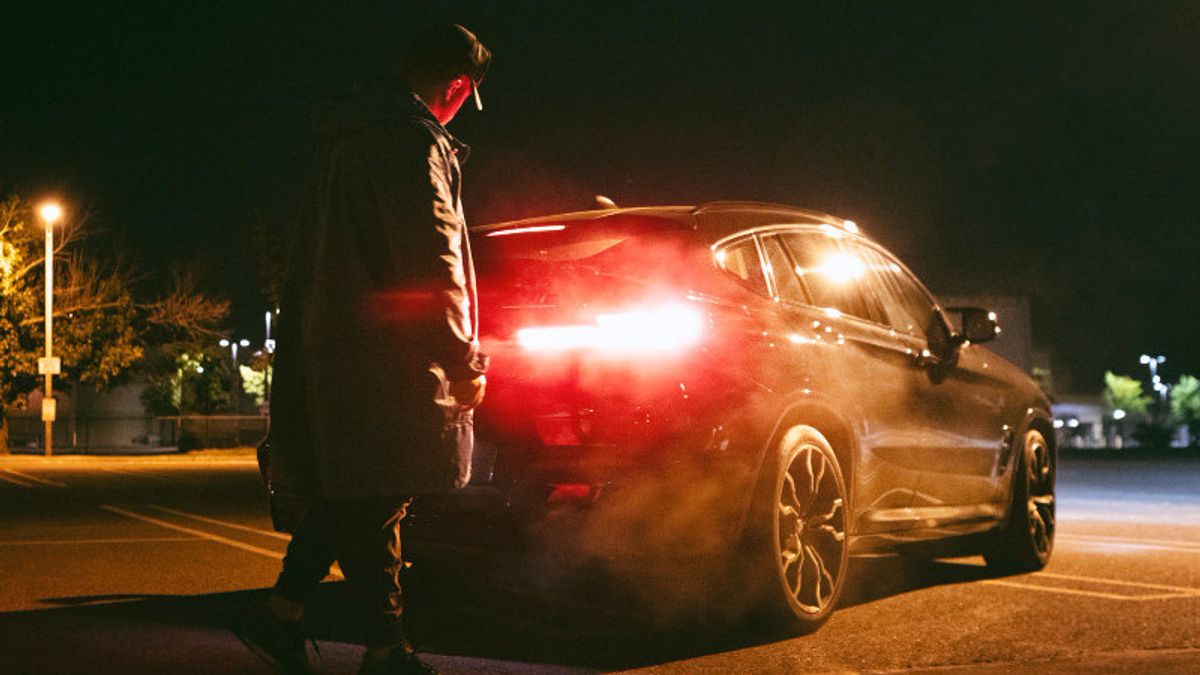


YOGYAKARTA - The car brake light is one of the important components for driving safety, especially when reducing speed or stopping. This light serves as a signal for other drivers, especially those behind, so they can react on time.
Keeping a series of brake lights working properly is the main step in preventing potential accidents. In this article, we will review how a series of brake lights works, important components in the system, as well as risks that may occur in the event of damage to this system.
The series of car brake lights in general is divided into two types, namely a series of brake lights with relays and without relays. These two types of series have different ways of working in flowing electricity so that they can turn on the brake lights.
In the system with a relay, the brake light uses the relay as an intermediary to turn on the lights when the brake pedal is pressed. This process begins when the brake pedal is stepped on, which causes the brake switch to send the electric current to terminal 85 at the relay. Relay then accepts this current and activates the coil inside.
When the electric current flows into the coil, terminals 87 and 30 in the relay are connected, creating an electromagnetic force that activates the brake light. That way, the brake light will turn on to give the braking signal. When the brake pedal is removed, the brake switch automatically breaks the flow to the relay terminal, so the brake light will turn off again. The existence of the relay in this series helps ensure that the brake light works more efficiently and extends the life of other electric components.
In the system without a relay, the flow of the current from the battery is channeled directly to the brake switch via the screen. When the brake pedal is stepped on, the brake switch immediately flows the current to the brake light so that it turns on. Once the brake pedal is released, the brake switch decides the flow of the current, and the brake light goes out again. This system is simpler and generally found in vehicles with less complex electrical configurations.
Components Main Of The Rem Light Series
Risk If The Rem Light Series Experiencing Problems
Problems with a series of brake lights can pose a serious risk that affects the safety of drivers and passengers. Here are some examples of risks to watch out for:
If a series of brake lights is damaged, such as a broken brake switch, the brake light can be turned on continuously. This condition can disturb other drivers, especially at night, because the unquenched brake light will blur the actual braking signal. In addition, the persistent electrical load on the brake light array can also shorten the lifespan of several electrical components in the car.
Another problem that can arise is the brake light that doesn't turn on when the brake pedal is stepped on. This condition is very dangerous, because the driver behind you won't get a warning when you braking. If this situation occurs, the risk of back-and-back collisions increases, which could threaten the safety of drivers and passengers.
SEE ALSO:
-
 | LIFESTYLE
Ucapan Ulang Tahun Bahasa Arab, Lengkap dengan Latin dan Terjemahannya
06 April 2025, 07:25


Talking about cars, it would be nice for you to also need to know the 6 Causes of the Car Implementation so that you don't get confused in the future if something like the one on the list happens.
So after knowing the series of brake lights, look at other interesting news on VOI.ID, it's time to revolutionize news!
The English, Chinese, Japanese, Arabic, and French versions are automatically generated by the AI. So there may still be inaccuracies in translating, please always see Indonesian as our main language. (system supported by DigitalSiber.id)
Most Popular Tags
#Prabowo Subianto #donald trump #Febrie Adriansyah #8791 #giias 2026Popular


