
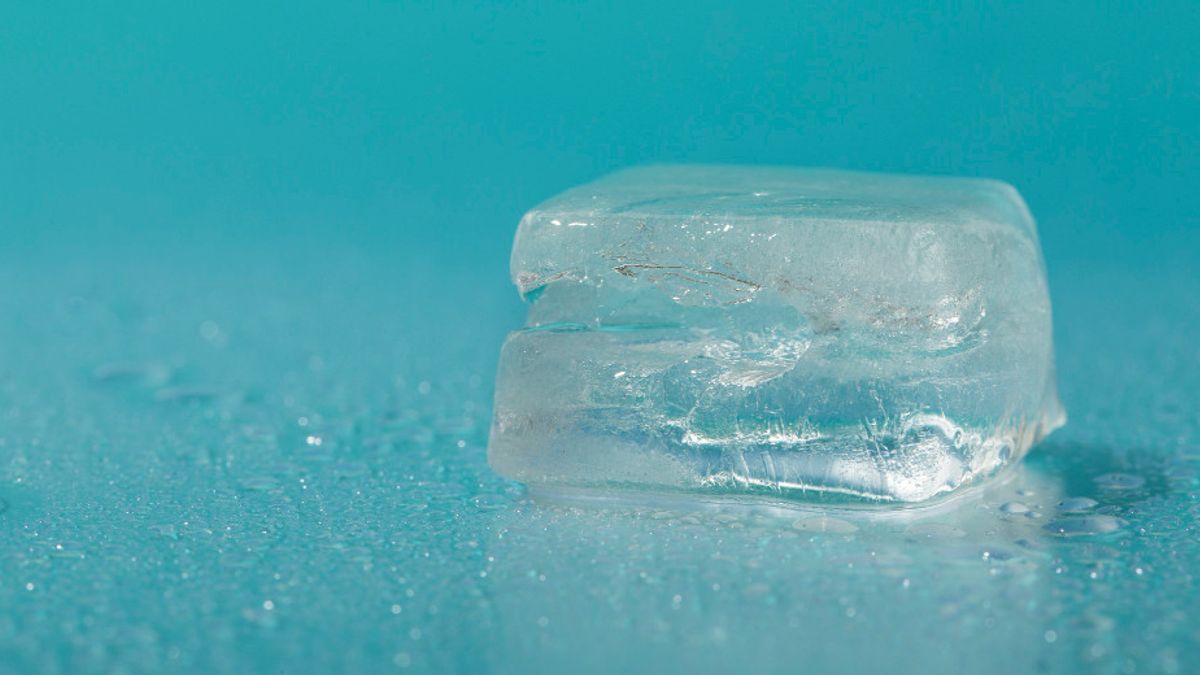


YOGYAKARTA - Ice cubes are often considered a safe complement to drinks. In fact, not all ice cubes are worth eating, especially if they are made from unboiled water or are not guaranteed to be clean. The dangers of ice cubes from raw water need to be considered because the freezing process does not always kill the germs that cause disease. Microbiologically contaminated water can transmit diseases such as diarrhea, cholera, dysentery, typhoid, and polio.
The Danger of Ice from Raw WaterMany people think that water that has become ice is automatically safe. This assumption is wrong. Cold temperatures can slow down the growth of some microorganisms, but do not guarantee that all bacteria, viruses, or parasites die. When the ice melts in the drink, the germs that still survive can enter the body.
The danger of ice cubes from raw water usually arises because the raw water is not clean, the storage container is dirty, the maker's hands are not hygienic, or the ice distribution process is not protected. The risk is greater if the ice cubes are sold in the form of blocks, crushed in the open air, or transported without clean packaging.
Health Risks That Can Occur
The most common impact of consuming unhygienic ice cubes is digestive disorders. Symptoms can include abdominal pain, nausea, vomiting, diarrhea, fever, and feeling weak. In children, the elderly, pregnant women, and people with weak immune systems, diarrhea due to contaminated water can be more serious because it is at risk of causing dehydration.
The WHO explained that diarrhea prevention is closely related to access to safe drinking water, good sanitation, hand washing habits, and food hygiene. This means that ice cubes must also be treated like other consumable materials that must meet hygiene standards.
Characteristics of Ice Stones to Watch Out For
Unsafe ice cubes can not always be recognized just from their appearance. Ice that looks clear is not necessarily germ-free. However, there are some signs to watch out for, such as ice that smells bad, there are small dirt, stored on the floor, held directly with the hand, or put into drinks using less clean tools.
You also need to be careful when buying drinks in places where the source of water is unclear. The CDC recommends that a person avoid ice unless they are sure that the ice is made from safe water. This recommendation shows that the safety of ice cubes depends heavily on the quality of the water and the cleanliness of the manufacturing process.
How to Reduce the Risk
The safest step is to use ice cubes from boiled water or drinking water that is safe to consume. At home, use clean ice molds, close the ice storage tightly, and avoid taking ice with your hands directly. Use a clamp or a clean spoon so that the ice is not re-contaminated.
When buying drinks, choose a seller who maintains the cleanliness of the area, tools, and ingredients of the drink. Avoid drinks with ice cubes that are stored open or look unhygienic. For certain conditions, such as traveling to a place with limited access to clean water, it is safer to choose sealed packaged drinks without ice.
The danger of ice cubes from raw water should not be taken lightly. Ice cubes made from unhygienic water can be a medium for transmitting germs that cause digestive disorders and water-based diseases. Simple habits such as choosing ice from boiled water, maintaining the cleanliness of the container, and paying attention to the source of ice can help protect family health. Ice cubes are refreshing, but safety must remain the top priority. In addition, also recognize the Dangers to Teeth If You Chew Ice Cubes
So after knowing the dangers of ice cubes from raw water, check out other interesting news at VOI.ID, it's time to revolutionize the news!
The English, Chinese, Japanese, Arabic, and French versions are automatically generated by the AI. So there may still be inaccuracies in translating, please always see Indonesian as our main language. (system supported by DigitalSiber.id)


