
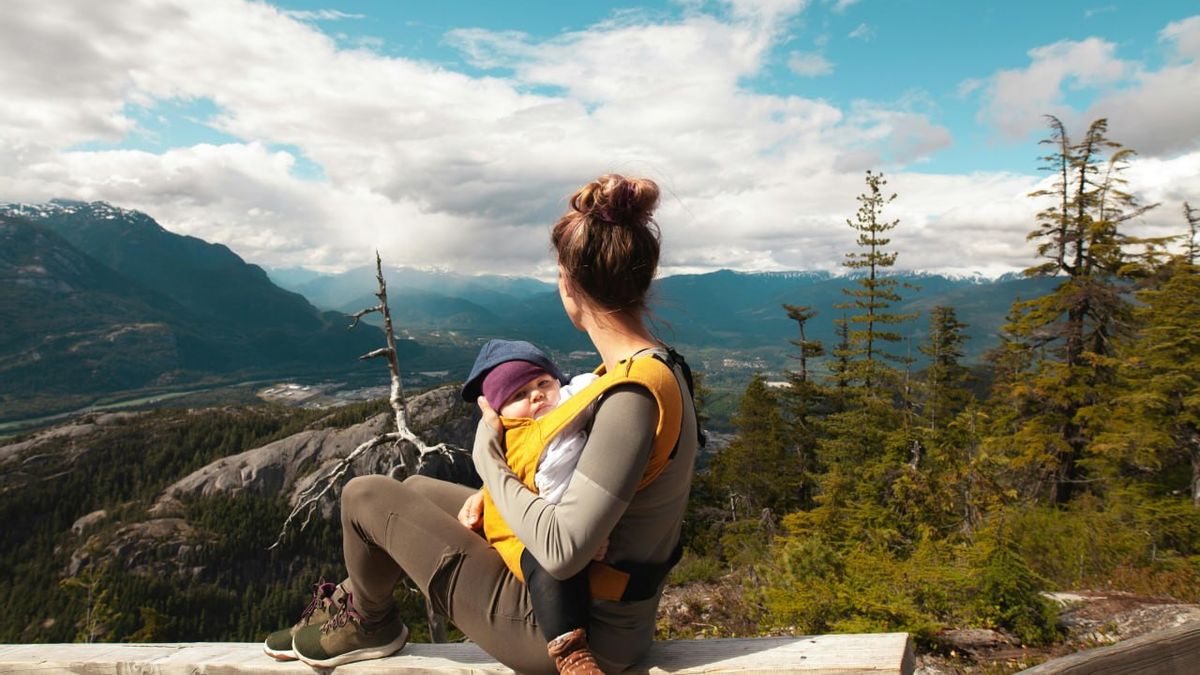


YOGYAKARTA - Introducing nature to children from an early age sounds interesting. Parents can have a warm togetherness with their little ones in the cool mountains. However, this desire should not risk the safety of babies whose physical condition is much more vulnerable to mountain weather risks than adults.
Recently, the public was shocked by a video of a baby who was allegedly suffering from hypothermia while on the Mount Ungaran climbing route, Central Java, Saturday, April 11. This event is a stark reminder that the outdoors is not a friendly place for all ages, especially babies. Forcing the desire to take a baby to the mountain can trigger various health risks that cannot be considered trivial.
The Danger of Bringing Babies Up the MountainDeputy Chairman of the Indonesian Children's Doctors Association (IDAI) Banten, dr. Arifin Kurniawan Kashmir, SpA, emphasized various health complications that can threaten the safety of babies if they are forced to climb mountains. One of them, altitude sickness or altitude sickness.
Altitude sickness occurs when the body fails to adapt to low air pressure and decreased oxygen levels in the highlands. In infants, this condition is much more dangerous because they are not yet able to express nausea or dizziness as adults.
"In children under one year of age, the CDC (Centers for Disease Control and Prevention) has also stated that children at the age of one year cannot convey their complaints clearly," said Dr. Arifin, quoted from Kompas, Wednesday, April 15.
As a result, vital signs such as dizziness or nausea are often not noticed by parents. The signs that appear are also tend to be vague, such as fussiness, difficulty sleeping, or refusing to drink. The problem is, these symptoms are often considered as normal fatigue after a long trip, so that medical help is late.
In addition, cold temperatures in the mountains are another threat that is no less dangerous. Babies have a larger ratio of body surface area compared to their body mass. This causes their body heat to be lost more quickly to the surrounding environment.
"Small children, especially the smaller ones, are more prone to losing body heat because the ratio of body surface components, body surface area to body mass, is greater," explained dr. Arifin.
This condition makes babies very vulnerable to hypothermia. This risk increases if the baby's clothes are wet due to sweat or dew. Plus, babies don't move much during the climbing trip.
"If the child moves, he usually can produce heat from the movement of his body. But the child will be carried. As a result, his body is passive and does not produce heat from muscle activity," explained dr. Arifin.
Not only cold, exposure to sunlight on the mountain also needs to be considered. Even though the air feels cool, the ultraviolet radiation in the highlands is actually stronger. The baby's sensitive skin can experience irritation or even burn. In addition, babies also lose body fluids without feeling it.
Equally important is the factor of access to medical assistance. When there is an emergency on the mountain, the evacuation process is not easy to do. Difficult terrain and long distances can cause medical assistance to be late and aggravate the baby's condition.
"If something happens above, the evacuation will be complicated. So the risk of delay in help is also a concern if we invite children to climb mountains," said dr. Arifin.
The case that occurred in Gunung Ungaran must be an important lesson for every parent. There are still many other safe ways to introduce nature to your little one. Child safety must be the top priority for parents.
In addition to the discussion above, follow other interesting articles at VOI.ID. So as not to miss the latest news, follow and monitor our social media accounts!
The English, Chinese, Japanese, Arabic, and French versions are automatically generated by the AI. So there may still be inaccuracies in translating, please always see Indonesian as our main language. (system supported by DigitalSiber.id)
Popular


