


YOGYAKARTA - Every living being in this world has the ability to reproduce. Reproduction is one of the most important aspects of the life cycle, which ensures the survival of species in nature.
However, what happens if living things do not reproduce? This article will discuss the impact of the absence of reproduction on living things and the possible implications of the situation.
The Function and Importance of the Breeding ProcessThe process of reproduction, both sexually and asexually, allows individuals of a species to produce offspring that can continue their lives. Reproduction is one of the natural mechanisms for maintaining species in the long term. Without this process, the existence of species in the world will be disrupted, even extinct.
What Happens If Living Things Don't Reproduce?1. The extinction of species
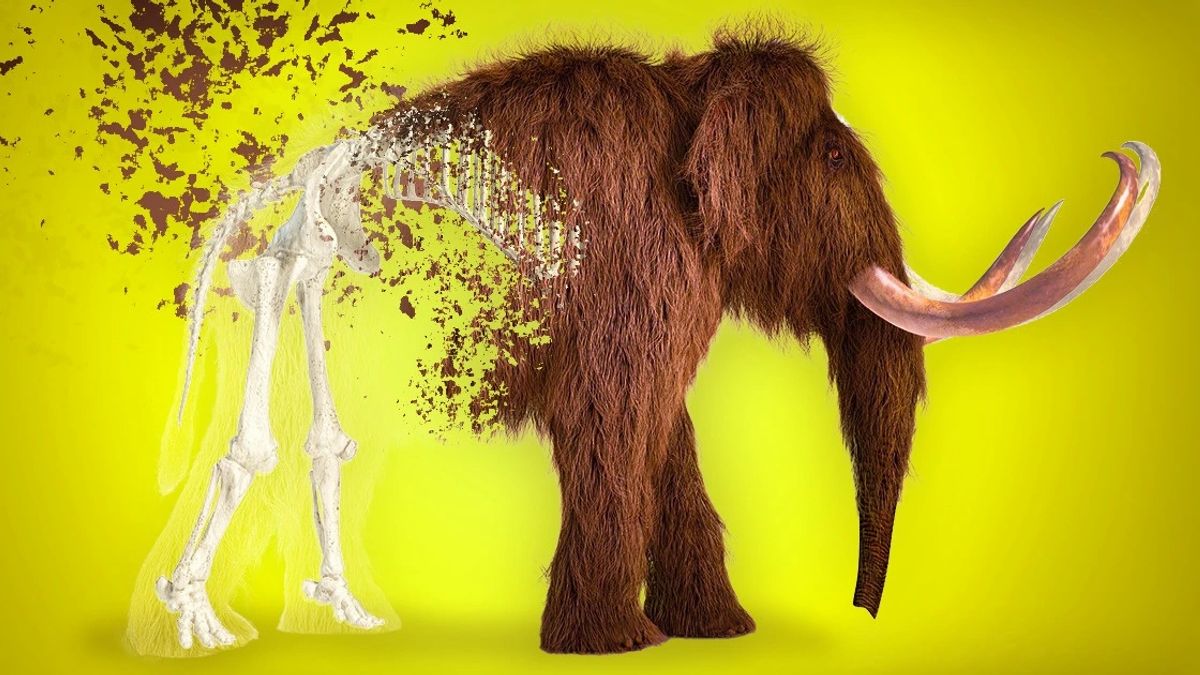
One of the main effects of what happens if living things do not reproduce is the extinction of the species. If living things are not able to produce offspring, the population of the species will decrease and eventually disappear. Reproduction is the key to replacing dead or injured individuals. Without reproduction, species cannot survive for long, because there are no new individuals to replace those who have died.
A real example of this phenomenon is the large number of rare and endangered species. Many species, such as the Sumatran tiger, panda, or rhino, whose populations continue to decline due to low birth rates or problems in their reproductive ability.
2. Ecosystem Disruption
Each species plays an important role in their ecosystem. If a living being does not reproduce, the number of individuals in that species will decrease, which can disrupt the balance of the ecosystem. For example, if predators do not reproduce, the number of their prey will increase rapidly, causing an imbalance in the food chain.
Conversely, if plant species cannot reproduce, then pollination that depends on them will be disrupted. This can lead to food scarcity for plant-eating animals and eventually affect the entire ecosystem. Without reproduction, all the symbiotic relationships that exist in nature could be threatened.
3. Reducing Biodiversity
Biodiversity is a key pillar in maintaining ecosystem stability. What happens if living things do not reproduce is a reduction in
Species diversity. The fewer species that are able to breed, the less variation in the fauna and flora world. Low biodiversity can lead to less healthy ecosystems, susceptible to disease, and easily damaged due to dependence on a few species.
4. Natural Resource Degradation
Natural resources derived from living things will also be affected if species do not reproduce. Many natural products, such as fruits, grains, wood, and seafood, depend on the survival of the species that produce or collect these resources. If living things do not reproduce, the supply of these natural resources will decrease, which can have an impact on the global economy and food security.
Effects on Research and Advancement of Science and TechnologyIn addition to the impact on nature, what happens if living things do not reproduce can also affect scientific research. Many research in the fields of biology, medicine, and genetics are carried out by studying the patterns of reproduction of living things. If there is no reproduction, we lose the opportunity to better understand the processes of life, genetics, and possible improvements in the field of health. Research on reproduction is also important for improving treatment methods or conservation of endangered species.
Factors That Cause Living Things Not to ReproduceThere are several factors that can cause living things not to breed. One of them is environmental factors, such as pollution, climate change, or natural habitat damage that interferes with the reproduction process. For example, rising temperatures can affect the egg-laying period of some reptile species. Diseases can also be a factor that affects the ability to breed, both in humans, animals, and plants.
In addition, genetic changes or mutations can also cause an inability to breed. In animals or plants that have gone through environmental changes or evolutionary processes, some individuals may lose the ability to breed naturally.
Breeding is a vital process for the survival of every species in this world. What happens if living things do not breed has a huge impact on life on Earth. From the extinction of species to the imbalance of ecosystems, the impact of the inability to breed is very broad and affects various aspects of life. Therefore, maintaining biodiversity, maintaining the environment, and understanding the biological processes involved in reproduction are important to ensure that life on this planet remains sustainable. In addition, did you know Why Do Living Things Need to Be Classified?
So after knowing what happens if living things do not breed, see other interesting news at VOI.ID, it's time to revolutionize the news!
The English, Chinese, Japanese, Arabic, and French versions are automatically generated by the AI. So there may still be inaccuracies in translating, please always see Indonesian as our main language. (system supported by DigitalSiber.id)


