
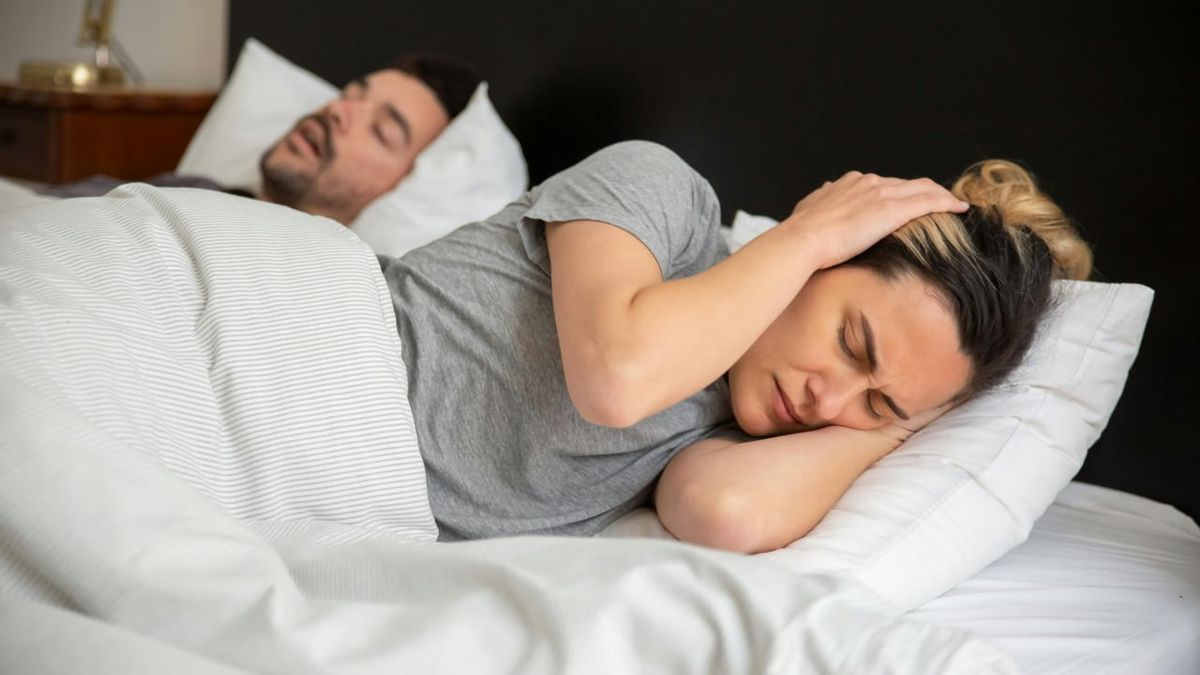


YOGYAKARTA - Quality sleep is very important to maintain physical and mental health. However, not all sleep disorders are realized by the sufferer. One condition that often escapes attention is catathrenia.
Catathrenia is a sleep disorder characterized by groaning or moaning sounds during sleep. Although disturbing, many sufferers are unaware that they are experiencing it.
Catathrenia is often equated with ordinary snoring, although the two are different. Understanding what catathrenia is important so that sufferers can get the right treatment and better sleep quality.
What is Catathrenia?Dilansir dari Cleveland Clinic, catathrenia adalah gangguan pernapasan terkait tidur yang menyebabkan seseorang mengerang atau merintih saat tidur. Suara tersebut muncul ketika penderita menghembuskan napas, bukan saat menarik napas seperti pada mendengkur. Durasi suara dapat berlangsung beberapa detik hingga sekitar 40 detik.
This disturbance can occur during both REM and non-REM sleep phases. Catathrenia often appears almost every night with a relatively consistent sound pattern. Even though the sound is loud, sufferers usually do not wake up or realize the incident.
In many cases, family members are the first to realize that catathrenia exists. In the morning, sufferers may feel that their sleep is not restful even though they don't know the cause. This makes catathrenia often late in being diagnosed.
Based on research, catathrenia is a rare condition. Studies in Japan and Norway show a prevalence of less than one percent of the population. This figure is likely higher because many cases are not reported or misdiagnosed as snoring.
Catathrenia SymptomsThe main symptom of catathrenia is a moaning or groaning sound that appears while sleeping. This sound occurs when exhaling and will stop when inhaling. The character of the sound can be different for each individual.
The sound of catathrenia can be loud, monotonous, or like a moan. Some people describe it as sounding melancholy, buzzing, or ending with a long sigh.
Symptoms usually occur almost every night without being noticed by the sufferer. However, some sufferers also experience snoring or breathing through their mouths. Mild sleep disorders to often waking up at night can also accompany this condition.
In the morning, people with catathrenia can feel some physical complaints. Complaints include fatigue, excessive drowsiness, and dry mouth. Some people also experience hoarseness, sore throat, or headaches.
The symptoms of this morning are related to the pattern of breathing through the mouth while sleeping. As a result, the quality of sleep becomes less optimal. In the long term, sufferers can experience difficulty concentrating and decreased productivity.
Causes of CatathreniaThe exact cause of catathrenia is not yet fully known. Research suggests the possibility of a disorder in neurons in the respiratory center, namely the medulla oblongata. This disorder causes the process of exhalation to last longer than normal.
When exhaling takes a long time, the vocal cords vibrate and produce a moaning sound. This is what distinguishes catathrenia from ordinary snoring. This process occurs unconsciously during sleep.
There is no strong evidence that anxiety directly causes catathrenia. However, research is still being conducted to look at the relationship between stress and other psychological factors. The possibility of additional triggers is still open for further study.
Genetic factors are also suspected to play a role in the emergence of catathrenia. Research shows a higher risk if there are biological family members who have a similar condition. This indicates the influence of heredity.
Catathrenia is not harmful to physical health, but it can affect sleep quality and interpersonal relationships. Sufferers often feel embarrassed because of the disturbing sounds while sleeping. This condition can even affect interpersonal relationships and social comfort.
So that's what catathrenia is and its symptoms and causes, follow other interesting articles at VOI.ID. So as not to miss the latest news, follow and monitor our social media accounts!
The English, Chinese, Japanese, Arabic, and French versions are automatically generated by the AI. So there may still be inaccuracies in translating, please always see Indonesian as our main language. (system supported by DigitalSiber.id)


