
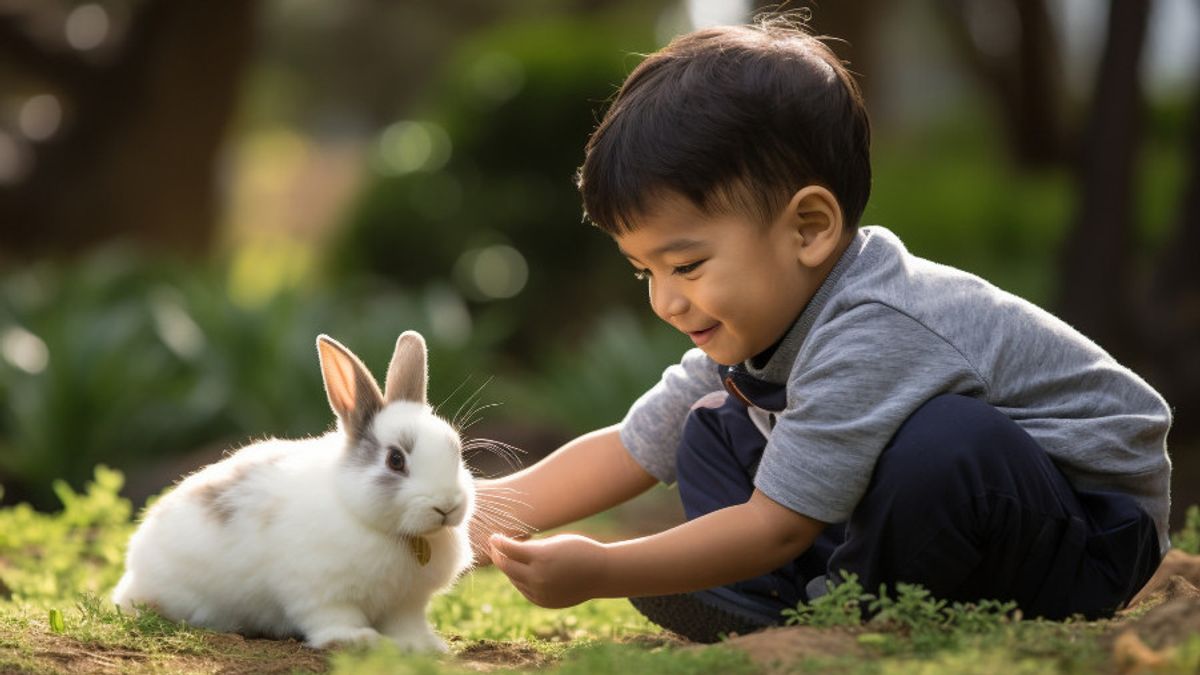


YOGYAKARTA - The benefits of having pets for children are not only limited to accompanying playtime at home. The presence of pets can help children learn various life skills that are important for their future. From responsibility to empathy, all can grow naturally through daily interactions with beloved animals. Here are the important skills that children learn from pets.
Caring for pets makes children understand that living things have needs that must be met regularly. Feeding, cleaning the home, to ensuring the animal stays healthy helps children learn discipline and consistency. This responsibility is an important foundation in children's daily lives.
When children pay attention to the condition of their pets, they learn to understand the feelings of other creatures. Children begin to recognize signs of hunger, fear, or discomfort. This ability helps children develop empathy that is beneficial in their social relationships.
Regular interaction with pets familiarizes children with attention and affection. Children learn that care does not always have to be asked for, but can arise from their own awareness. This loving attitude can be carried over into the child's social life.
Pets have different characters and are not always easy to manage. Children need to be patient when dealing with animal behavior that is not up to expectations. From this process, reported by Lawndale Veterinary Hospital, Wednesday, December 17, children learn to control emotions and not easily frustrated.
Caring for pets is not a momentary task, but a long-term responsibility. Children learn that commitment requires ongoing attention and effort. This understanding is important as a supply when children grow up.
When a child manages to take good care of his pet, a sense of pride arises in himself. The child feels capable and trusted. This positive experience helps to increase self-confidence naturally.
Even though it doesn't use human language, pets communicate through body movements and behavior. Children learn to read these signals. This helps children understand nonverbal communication better.
Children who have pets tend to learn to protect weaker creatures. They understand the importance of maintaining animal safety and well-being. This attitude can develop into broader social concern.
Pets are often a calming companion when a child feels sad or stressed. Their presence gives a sense of security and comfort. This helps children learn to express and manage their emotions more healthily.
Pets provide affection without demanding a response. Children who feel this way learn about sincerity in giving and receiving love. This experience plays an important role in a child's emotional development.
Overall, the benefits of pets for children are very large in shaping character and life skills from an early age. Through simple routines with beloved animals, children learn responsibility, empathy, patience, and unconditional love. With the right parental guidance, pets can be an important part of supporting children's emotional and social growth.
The English, Chinese, Japanese, Arabic, and French versions are automatically generated by the AI. So there may still be inaccuracies in translating, please always see Indonesian as our main language. (system supported by DigitalSiber.id)


