

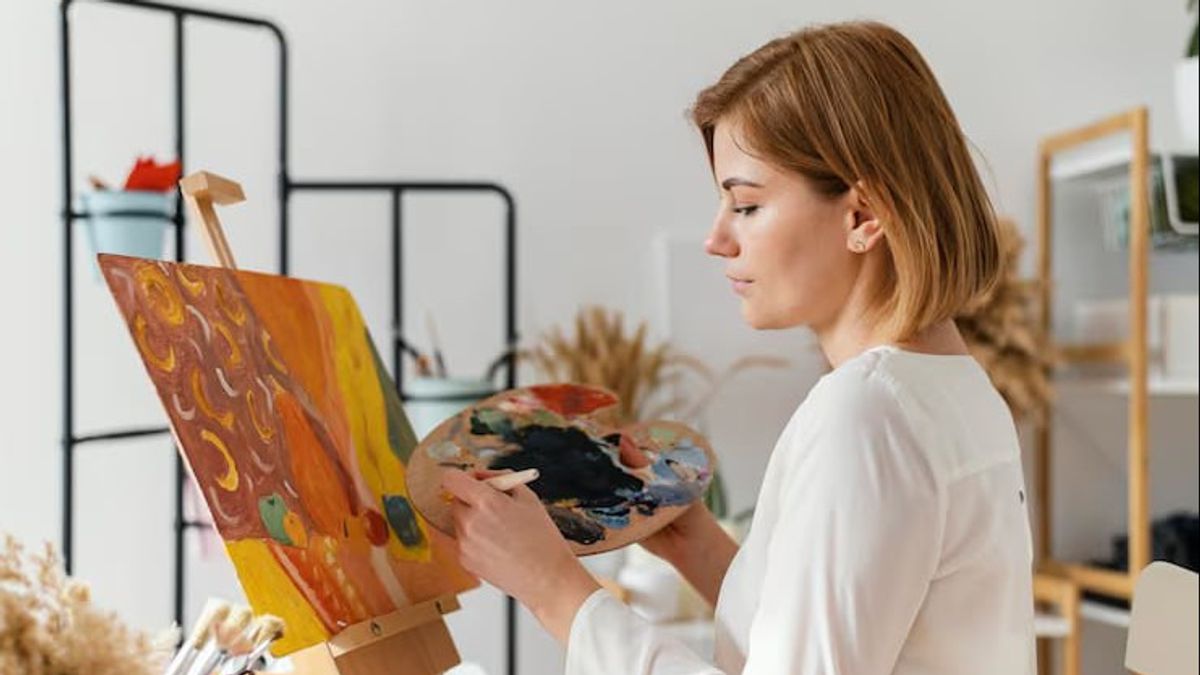


YOGYAKARTA - The technique of a plaque is one of the painting techniques that is very popular among artists because it produces strong and prominent colors. This technique uses a thick color stroke so that it produces an expressive and dynamic visual.
The following will discuss what is the technique of the plaque, the steps of painting using the plaque technique, its advantages, and some examples of its use in art. By understanding this technique, you can explore a more expressive and bold painting style.
Getting to Know the Technique of Plakat in PaintingThe technique of a plaque is a painting technique that uses thick and thick colors to create a strong impression on the artwork. The colors used are usually applied completely so as to cover the entire surface of the image area. This makes the work look solid and has a high color intensity.
This technique is often used to produce paintings with a dramatic or emotional atmosphere. Artists can express feelings more freely because the intense colors give a strong visual impact. In addition, the poster technique also allows for the creation of interesting textures on the surface of the painting.
In the world of fine art, the poster technique is widely found in modern and contemporary works. The use of thick colors gives an energetic and expressive impression which is the main attraction of the poster technique. No wonder this technique continues to be used and studied by many artists to this day.
How to Draw with the Poster TechniqueTo paint with the poster technique, the first step is to prepare the media such as thick paper, canvas, or board. Make sure the media used can hold a lot of paint volume because this technique requires a thick layer of paint. After that, prepare poster paint, acrylic paint, or oil paint as needed.
The next step is to apply paint with a large brush or spatula to create a strong color stroke. The paint is applied with different pressure and thickness according to the effect the artist wants to achieve. Feel free to add multiple layers of color for a more interesting texture effect.
Finally, let the paint dry naturally so that the color layer is not damaged. If you use oil paint, the drying process usually takes longer than acrylic paint or poster paint. After drying, the work can be given a final touch such as additional details or varnish to protect the surface of the painting.
Advantages of the Poster TechniqueOne of the main advantages of the poster technique is that the resulting color intensity is very high. The colors look more vivid and strong so that they are able to attract attention visually. This makes the poster technique suitable for works with an expressive or dramatic theme.
Another advantage is flexibility in creating textures. Due to the use of thick paint, artists can form patterns or areas that appear more prominent. With rich textures, the work looks more dynamic and characteristic.
In addition, the plakat technique is easy to apply by beginners and professional artists. The thick color application makes it easier for someone to express ideas without thinking too much about complicated details. This technique also gives a durable finish if you use good quality paint.
Example of Using the Poster TechniqueThe technique of the plaque is widely used in the works of expressionism that emphasizes emotions and feelings. Artists use thick strokes to portray a certain mood or energy in their works. With strong texture and color, expressionist works become more alive and meaningful.
In addition, the poster technique is often used in painting natural landscapes such as dramatic skies or choppy seas. The intense colors help create an intense atmosphere, such as a storm or the glare of the sun. This technique is able to give a strong atmospheric impression in painting.
The technique of the plaque is also often found in the illustrations of artistic posters that require a striking visual. Posters with intense colors are usually easier to attract attention and able to convey a message firmly.
This is the discussion of the technique of the plaque in painting. By understanding the discussion above, you can start experimenting and developing a bolder art style.
In addition to discussing the technique of plaques in painting, follow other interesting articles at VOI.ID. So as not to miss the latest news, follow and monitor our social media accounts!
The English, Chinese, Japanese, Arabic, and French versions are automatically generated by the AI. So there may still be inaccuracies in translating, please always see Indonesian as our main language. (system supported by DigitalSiber.id)
Most Popular Tags
#Prabowo Subianto #donald trump #firearm #8791 #giias 2026Popular


