
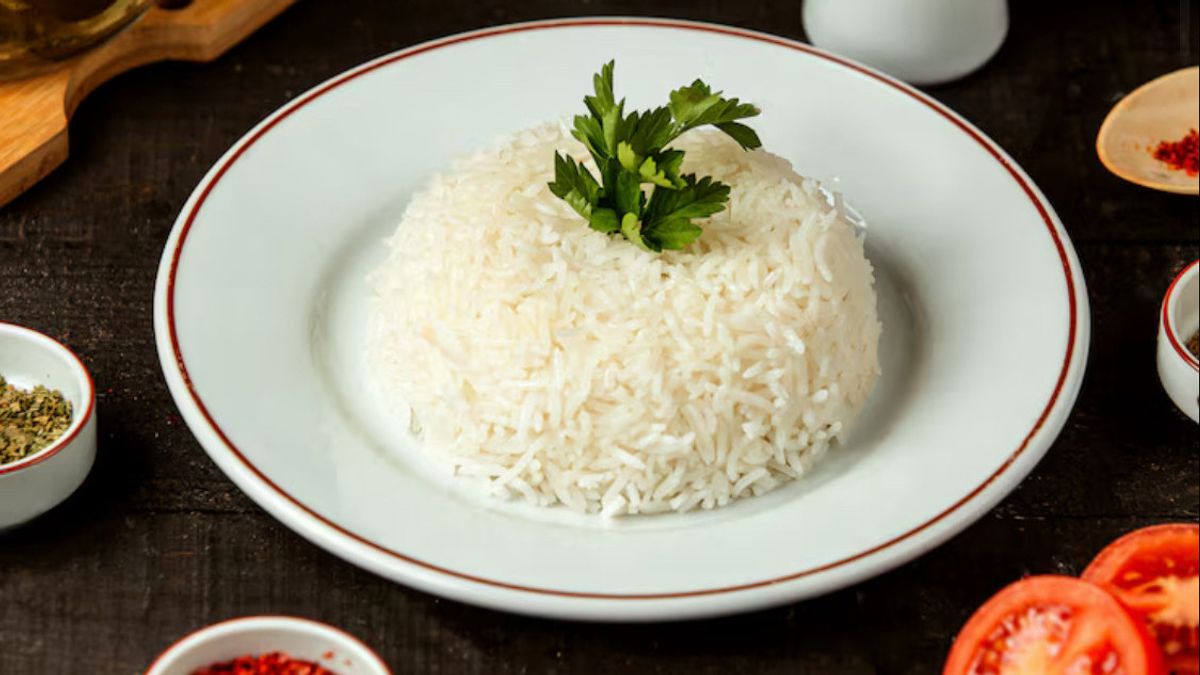


JAKARTA - For many people, storing leftover rice is normal. Just get heated again, then eat with side dishes look practical, save, and reduce waste. But who would have thought, the remaining rice could turn out to be one of the most dangerous foods in the kitchen if not handled properly.
It's not about the changing taste, but because of the risk of food poisoning that can arise only from storing rice for too long at room temperature.
But not all of the leftover foods are the same and some of them can make you much more sick. The most dangerous thing turns out to be the leftover rice, especially if it is reheated.
Rice contains starch and is easy to store moisture, the perfect combination for breeding bacteria, especially Bacillus cereus, a bacteria that causes food poisoning. These bacteria are very resistant because they are able to form heat-resistant sporamies.
Usually heating food can kill bacteria that grow. However, the type of heat-resistant bacteria such as the Bacillus cereus does not die with just annealing, so reheating of rice does not really eliminate the risk.
If rice is in the danger zone, the number of bacteria can double in just 15'20 minutes. After an hour, the amount could be eight times," said Clark Casarella, a scientist, chef, and culinary writer from Total Falls, South Dakota, quoted from the All Recipes page.
Nasi consists of starch and lack of protein, so that it becomes the ideal area for bacteria to develop. When the rice is reheated, the moist and warm environment becomes a place for hot resistant bacteria. This also applies to other staple foods such as couscous, farro, potatoes, and pasta.
'Hot, wet, and sunken environments are perfect places for bacteria that cause emethic food poisoning. You rarely see the growth of such bacteria in other foods. Rice is wetpati, if left unchecked, the growth of bacteria can be very fast, "explained Casarella.
Tips Safe Processing And Saving Rice
1. Cook as needed
The more cooked rice and then reheated, the greater the room for bacteria to develop.
"The higher the concentration of staple food, the greater the risk," said Casarella.
So cook enough rice. When reheating, take only the part to eat.
SEE ALSO:
-
 | LIFESTYLE
Budaya Kerja Sehat yang Bikin Karyawan Betah dan Semakin Produktif
28 Agustus 2025, 19:35

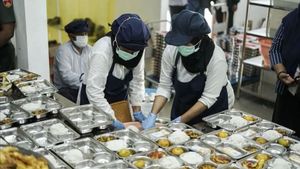

2. Cool it quickly or keep it warm
The less time the rice is in the danger temperature zone, the safer it is. You can:
- Spreading rice in a shallow container to cool quickly
- Put it in the umbrella and put it in the freezer for a while to speed up cooling
- Using the seep warm' feature in the rice cooker so that the rice remains at a safe temperature
The English, Chinese, Japanese, Arabic, and French versions are automatically generated by the AI. So there may still be inaccuracies in translating, please always see Indonesian as our main language. (system supported by DigitalSiber.id)


